
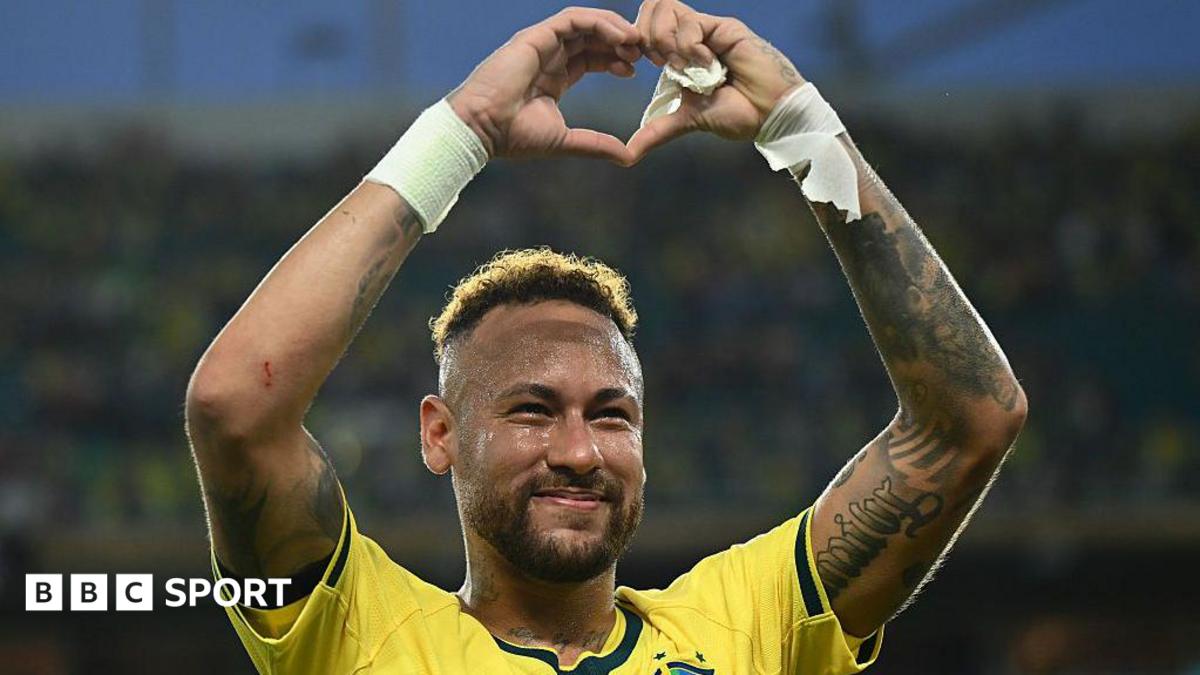
Strategic Reintegration of a Veteran Asset
Neymar’s return to the Brazilian squad at the 2026 World Cup marks a pivot in operational management. Following a three-year hiatus due to a 2023 ACL and meniscus injury, his reintroduction functions as both a tactical and psychological inflection point. Manager Carlo Ancelotti’s decision to deploy the 34-year-old as a second-half substitute against Scotland emphasizes a risk-averse integration process, prioritizing sustained physical conditioning over immediate full-match participation.
Commercial and Psychological Leverage
Neymar’s presence in Miami Gardens catalyzed an immediate surge in fan engagement, validating his continued commercial value within the global football ecosystem. However, this high-profile return creates heightened pressure on performance metrics. Integrating a player of this caliber requires recalibrating existing squad dynamics, shifting from an established, rhythm-based flow to a system that incorporates individual, high-impact playmaking.
Operational Constraints and Physical Risk Mitigation
The transition highlights the complexities of managing high-value human capital. A recent calf injury, which deferred his tournament debut, underscores the fragility of elite athletes post-long-term recovery. Ancelotti’s technical committee is employing a strict load-management framework, utilizing the group stage to calibrate Neymar’s physical output in preparation for the high-intensity demands of knockout football.
Tactical Stability Under Ancelotti
Ancelotti’s pragmatic philosophy remains central to this transition. By publicly managing expectations regarding Neymar’s starting status, he maintains internal hierarchy and team cohesion. This approach insulates the squad from potential volatility, allowing the team to benefit from Neymar’s creative vision without compromising the defensive and structural stability cultivated during his absence.
Knockout Phase Implications
As Brazil enters the knockout stages, Neymar serves as a vital tactical variable against low-block defenses. The primary challenge, however, remains the risk of structural dependency. The efficacy of this reintegration will be tested in upcoming high-stakes fixtures, where the team must balance its established momentum against the erratic, high-reward nature of Neymar’s current match-fitness levels.
Photo by nikolaus_bader on Pixabay.