Benfica Navigates Dual Pressures of Title Race and European Campaign
Benfica’s current campaign is defined by a confluence of significant domestic and European challenges, demanding strategic acumen from the club’s leadership and coaching staff. The team’s performance in the Portuguese Primeira Liga is under intense scrutiny as they trail the league leaders, concurrently facing a precarious situation in their UEFA Champions League playoff tie.
The club’s recent eliminations from the Taça da Liga and Taça de Portugal in January, compounded by a critical 0-1 home defeat against Real Madrid in the Champions League, have amplified pressure. This sequence necessitates a difficult comeback in the upcoming second leg in Madrid to advance in European competition.
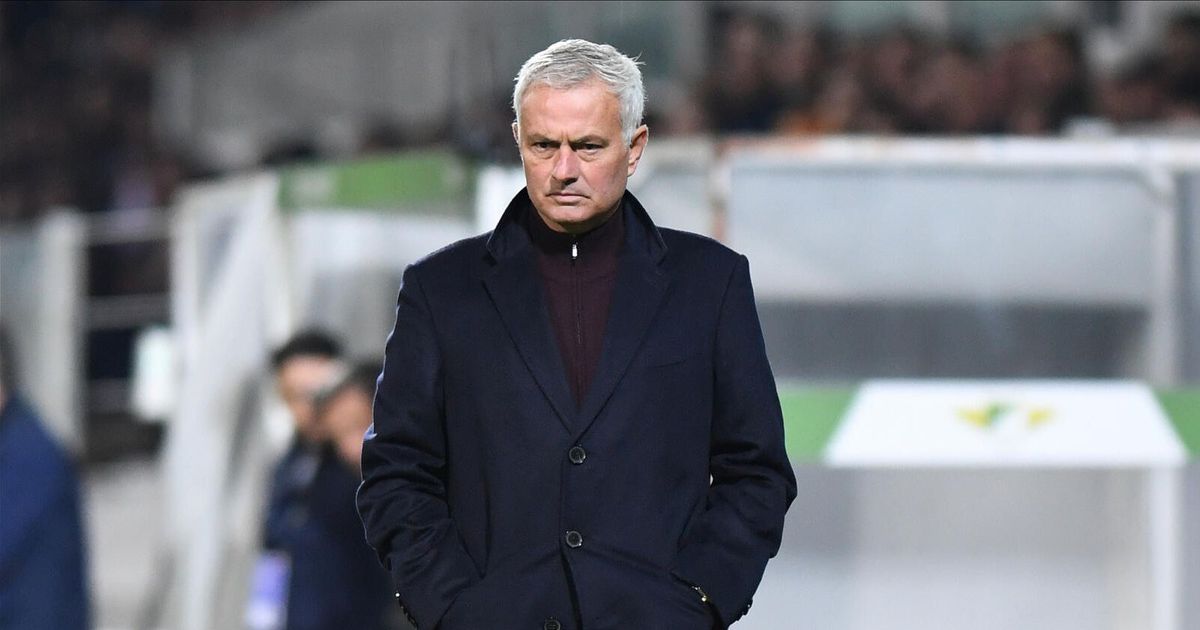
Strategically, managing player morale and focus amidst these high-stakes fixtures is paramount. Coach José Mourinho has acknowledged the emotional toll, noting, “it has not been easy to manage emotionally what happened and what continues to happen,” referencing alleged racist incidents during the Real Madrid match. This underscores the psychological dimension impacting competitive efforts.
The domestic league remains a primary objective. Benfica currently sits third, seven points adrift of the league leaders. Performance metrics, including points dropped at home and defensive statistics, highlight critical areas requiring immediate tactical adjustment to sustain a competitive title challenge.
Comparing offensive and defensive records against rivals like FC Porto and Sporting CP reveals comparative vulnerabilities. With 13 goals conceded versus seven by Porto and 12 by Sporting, and 46 goals scored against potentially higher tallies from rivals, the team’s efficiency and defensive solidity are under examination.
In an effort to connect with its fanbase, Benfica is set to debut a new alternative kit dedicated to “street football.” This initiative, showcased by captain Otamendi, aims to celebrate the sport’s grassroots origins and may serve as a symbolic rallying point for the squad and supporters.
The club has also engaged players in interviews themed around street football, suggesting a broader cultural and marketing strategy. This approach could reinforce the team’s connection to its community and the fundamental spirit of the game, potentially influencing player mentality and public perception during this critical period.
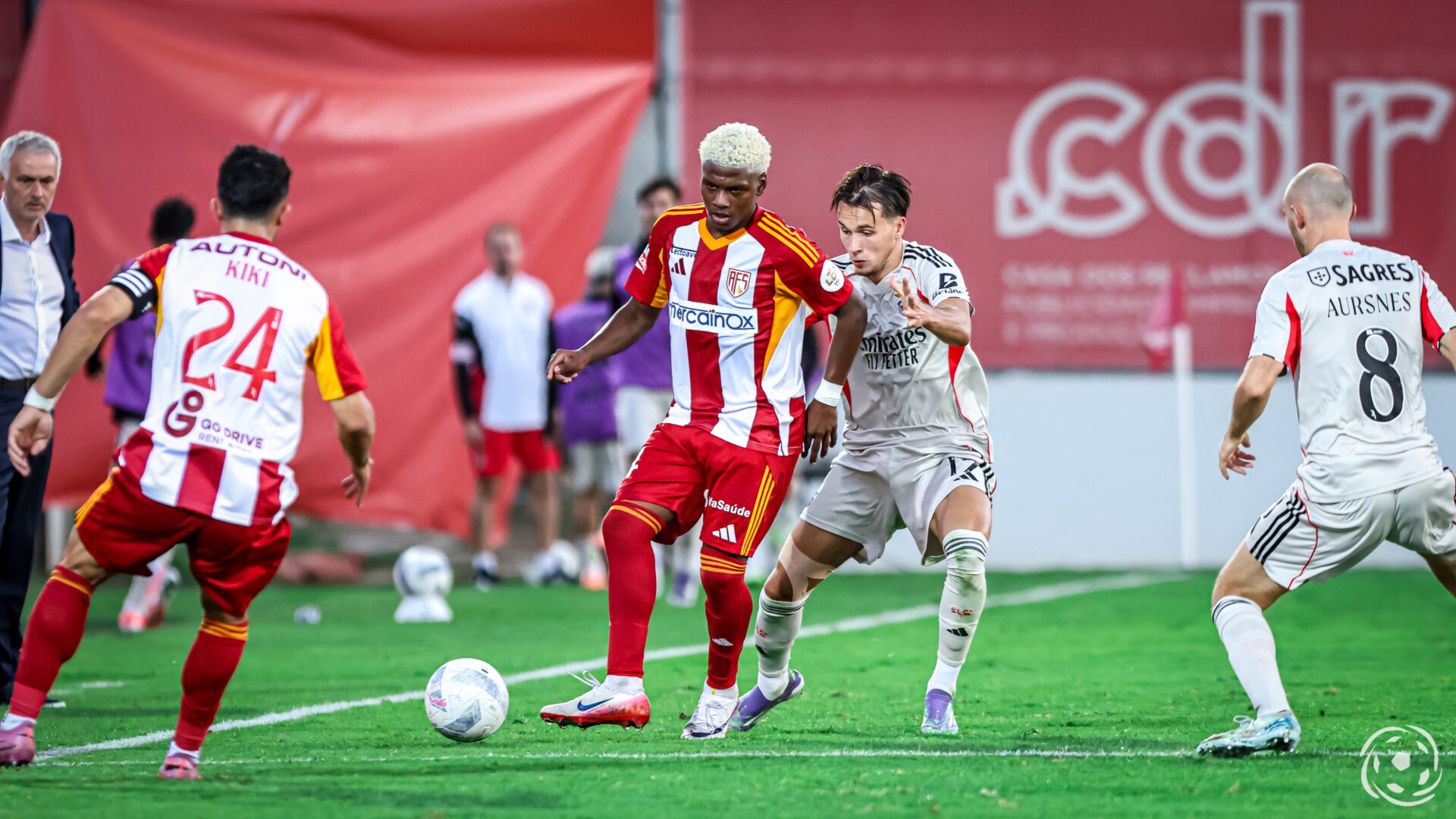
The upcoming match against AVS SAD at the Estádio da Luz is framed as essential for Benfica’s title aspirations. Securing three points is a fundamental imperative to maintain momentum and keep pace with the league leaders, underscoring the immediate strategic necessity.
For AVS SAD, the fixture presents an opportunity to build on recent successes and continue their climb in the league standings, aiming to accumulate points and challenge Benfica’s resolve on their home ground.
The dynamic between Benfica’s need for a win to stay in the title hunt and AVS SAD’s objective of accumulating points creates a scenario where survival and ambition intersect at the Estádio da Luz.
Financial performance and transfer market activities are intrinsically linked to competitive outcomes. Consistent European qualification and strong domestic league positions are vital for revenue generation through broadcast rights, sponsorships, and prize money, impacting future investment in squad development and infrastructure.
The strategic decision to introduce a “street football” themed kit, beyond its marketing and cultural appeal, can be analyzed through the lens of brand management and fan engagement. Such initiatives can galvanize support and reinforce brand identity, potentially mitigating negative sentiment arising from on-field setbacks.
Managing multiple high-level competitions simultaneously strains operational resources, including player conditioning, training schedules, and medical staff capacity. The demanding nature of Champions League fixtures necessitates a robust operational framework to prevent burnout and maintain peak performance across all fronts.
The concentrated power structure within Portuguese football means that any point loss can have a disproportionately large impact on the final league standings. This inherent structural characteristic amplifies the significance of each match for championship contenders.
The institutional response to alleged racist incidents involving Vinícius Júnior and Prestianni will influence public perception and potential regulatory scrutiny, impacting stakeholder confidence and the club’s broader reputation.
Strategic planning must account for potential outcomes in both the Champions League and the domestic league. Contingency plans for different scenarios, including early European exits or sustained title challenges, will inform resource allocation and future recruitment strategies.
Benfica’s performance leverage hinges on converting pressure into motivation, particularly in the crucial away fixture against Real Madrid. A strong showing, irrespective of the ultimate result, could provide a psychological boost for domestic duties.
Capital movement within the club, influenced by potential European revenue, dictates financial flexibility. Successful progression in the Champions League injects significant capital; early exits necessitate tighter financial management and potentially more conservative transfer market approaches.
The competitive implications of Benfica’s current standing are significant. Failure to secure a top league position or advance in European competitions could impact their UEFA coefficient ranking, influencing future European competition seeding and attractiveness to potential signings.
Strategic decision-making, from player transfers to coaching appointments, is invariably influenced by immediate pressures and long-term objectives. The current juncture demands astute leadership to navigate these complex challenges effectively.
The media narrative surrounding Benfica will likely intensify, focusing on their resilience and ability to sustain their title challenge. Framing these narratives critically influences public opinion and stakeholder sentiment, making proactive communication and consistent performance crucial.
The incentive structure for players and coaching staff is directly tied to achieving both domestic and European success, creating immense pressure where individual and collective performance impacts career trajectories.
Capital investment in the squad, particularly in high-profile signings, necessitates a return through competitive success. The current season’s outcomes will be a key metric in evaluating past financial decisions and informing future capital deployment.
The exposure of the club’s vulnerabilities, both on and off the pitch, is heightened during intense competition. Managing these exposures through robust internal processes and transparent external communication is paramount for maintaining trust and credibility.
The downstream effects of Benfica’s performance extend to the broader Portuguese football ecosystem, influencing broadcast rights valuations, sponsorship appeal, and the competitive balance of the league itself.
Strategic leverage for rival clubs increases if Benfica falters, potentially reshaping power dynamics within Portuguese football and influencing transfer market strategies across the league.
The performance leverage of the new kit, beyond its symbolic value, could manifest in increased merchandise sales, indirectly supporting competitive endeavors.
Capital movement within the Portuguese football market is often influenced by the success of major clubs in European competitions, creating a ripple effect on investment and player valuations across the sector.
The competitive implications of this period shape the narrative and intensity of the entire Primeira Liga, influencing fan engagement and media interest throughout the season.
Benfica’s strategic imperative is to demonstrate resilience and adaptability. Their ability to manage the psychological impact of setbacks while maintaining tactical discipline and competitive drive will define their season’s ultimate success.
The institutional response to allegations of racism, if substantiated, could lead to significant reputational damage and financial penalties, necessitating a proactive and transparent investigative and disciplinary process.
The operational challenge of preparing for a demanding Champions League second leg immediately after a critical league fixture requires meticulous planning and execution from the entire support staff.
The structural pressure on Benfica to consistently perform at a high level is a recurring theme in Portuguese football, where expectations are always elevated.
The distribution of advantage in the title race is directly influenced by Benfica’s results. Any dropped points can shift the balance of power, creating opportunities for rivals to consolidate their positions.
A plausible evolution scenario for Benfica involves a determined effort to secure a strong league finish while attempting a remarkable European comeback. Success in either or both would signify resilience; failure could necessitate significant strategic re-evaluation for the following season.
The stakeholder implications are broad, encompassing players, coaching staff, management, shareholders, and the fanbase, all invested in the club’s success and directly affected by performance outcomes.
Potential consequences of a disappointing season, particularly with underperformance in both key competitions, could lead to shifts in management, strategic direction, and impact player transfer policies and financial investment in the squad.
The cultural impact of the “street football” initiative, if embraced by the fanbase, could reinforce a sense of shared identity and passion, fostering a more resilient and engaged supporter base during challenging periods.
Benfica’s institutional continuity as a major European football power is contingent on its ability to consistently compete at the highest levels. The current season’s performance is a critical indicator of its trajectory.