The Strategic Landscape: Competitive Convergence and Attrition
Real Madrid enters Matchday 25 facing a confluence of structural squad limitations and high-stakes competitive pressure. Holding a marginal two-point lead over Barcelona, the club’s operational margin for error has narrowed significantly. The upcoming fixture at El Sadar against a defensively disciplined Osasuna necessitates a balance between domestic continuity and the physical demands of the UEFA Champions League knockout phase.
Tactical Architecture: Mitigating the Absence of Core Personnel
The loss of Jude Bellingham to a semitendinosus muscle injury—sidelining him until April—disrupts the team’s primary creative pivot. His absence necessitates a redistribution of offensive transitions across a midfield that must now prioritize ball retention over verticality. This tactical pivot is compounded by Rodrygo’s hamstring tendinitis, which further reduces the squad’s ability to exploit defensive width, placing a disproportionate burden on the remaining forward line to penetrate low-block structures.
Defensively, the prolonged absence of Eder Militao and Huijsen has accelerated the reintegration of David Alaba and Dani Carvajal. While their veteran leadership provides essential tactical discipline, the lack of specialized depth remains an institutional exposure. The coaching staff must manage these defensive assets with precision to avoid compounding physical setbacks during this critical seasonal macro-cycle.
The El Sadar Factor: Analyzing Osasuna’s Defensive Metrics
Osasuna occupies 10th place with 30 points, providing a buffer that allows for tactical experimentation without the immediate threat of relegation volatility. Their current five-match unbeaten streak—built on three victories and two draws—underscores an operational cohesion that makes El Sadar a formidable venue. The Navarrese side has maintained home invincibility since late November, establishing a psychological and physical barrier for the league leaders.
Institutional Resilience: Managing the Vinícius Controversy
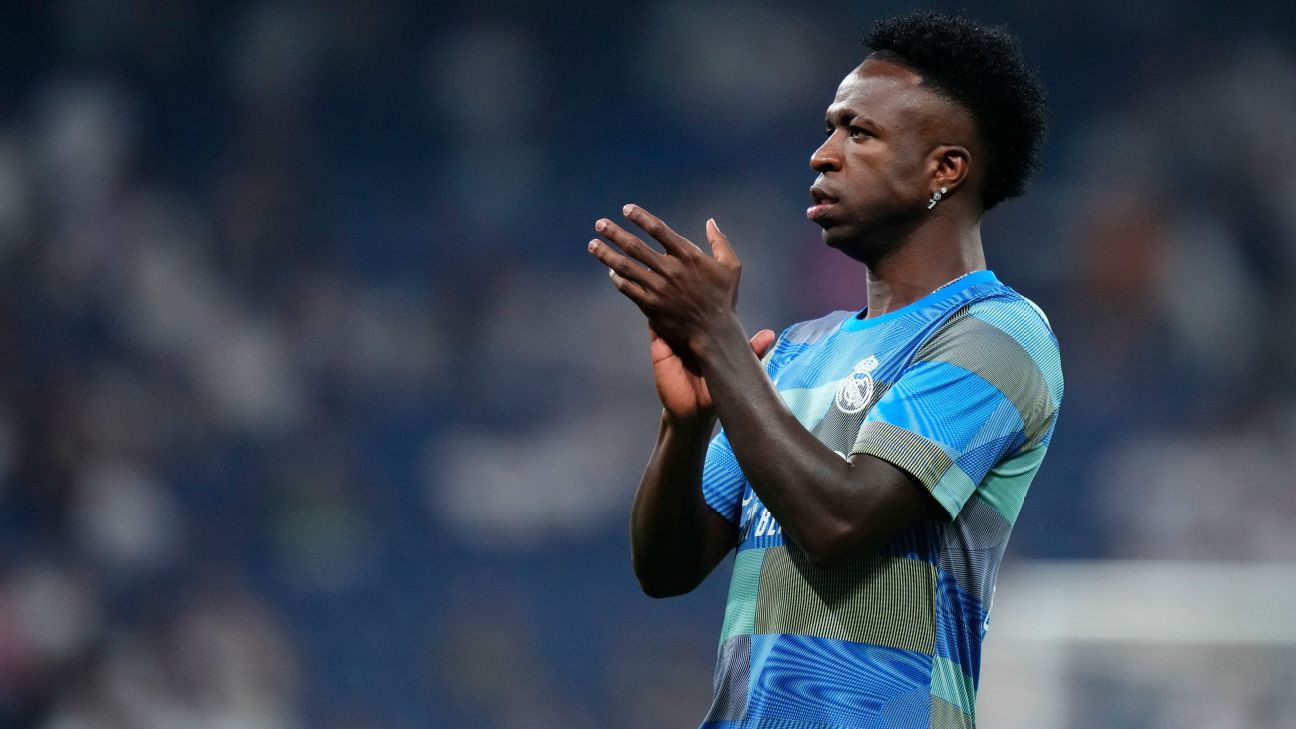
Beyond the pitch, Real Madrid is exercising a strategy of institutional solidarity following the alleged racist incidents targeting Vinícius during the Benfica fixture. By leveraging internal unity—emphasized by figures like Arbeloa—the organization seeks to insulate the sporting project from external social pressures. This approach converts a negative external variable into a catalyst for dressing-room cohesion, vital for maintaining focus amid a congested calendar.
Conclusion: The Multi-Front Balance
The intersection of a 0-1 Champions League advantage in Lisbon and the thin domestic lead creates a complex management scenario. The Osasuna fixture serves as a definitive stress test for the squad’s depth. Success in Pamplona would validate the club’s current tactical adaptations and provide the psychological momentum required to sustain their dual-front objectives as the season enters its final, decisive third.