Operational Strain and Inter-Agency Coordination
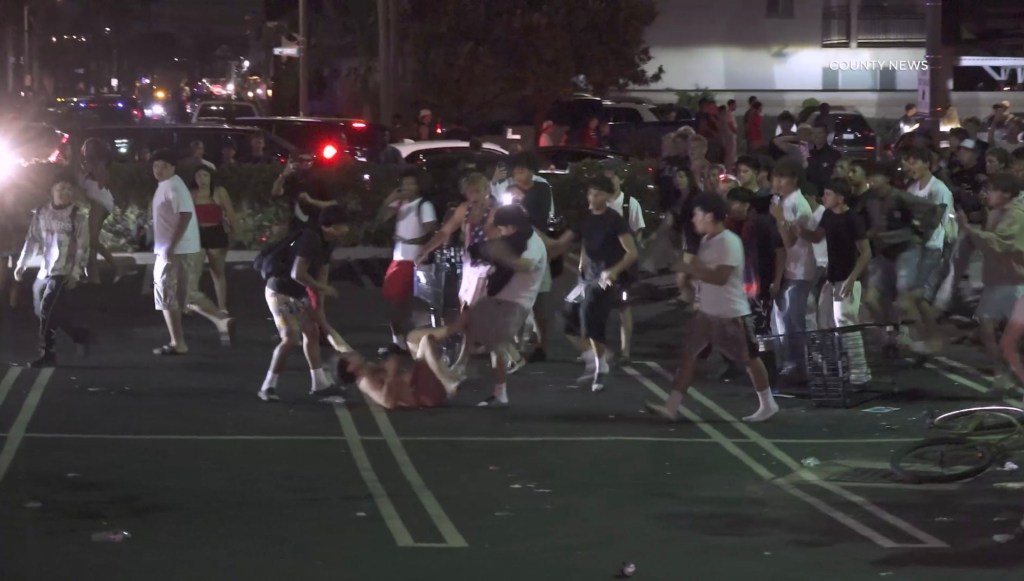
The July 4th holiday weekend in Newport Beach exposed the inherent volatility of managing high-density public spaces susceptible to social media-driven influxes. The rapid escalation from a festive gathering to mass civil disturbance necessitated a significant resource mobilization, integrating 350 local officers with support from 17 regional law enforcement agencies.
This extensive reliance on inter-agency cooperation underscores the structural limitations of municipal police departments when confronting sudden, large-scale events. The deployment of emergency protocols, such as requesting mutual aid (analogous to a 999 officer-needs-help call in some systems), critically indicates the point at which local capacity is overwhelmed, compelling a transition from routine patrol to tactical crowd management and riot control.
Strategic Implications of Digital Mobilization
The role of social media in facilitating rapid, uncoordinated gatherings of young adults and minors at the Balboa Peninsula presents a significant modern challenge for urban planning and public safety. Digital platforms enable the near-instantaneous concentration of thousands, effectively bypassing traditional event management protocols and creating environments difficult to secure or monitor proactively.
This phenomenon mandates a recalibration of municipal approaches to public space management during peak holiday periods. The inability to predict or effectively contain such viral, location-based social activity suggests that existing infrastructure and staffing models may be insufficient, requiring updated strategies for crowd prediction and control.
Public Safety and Tactical Challenges
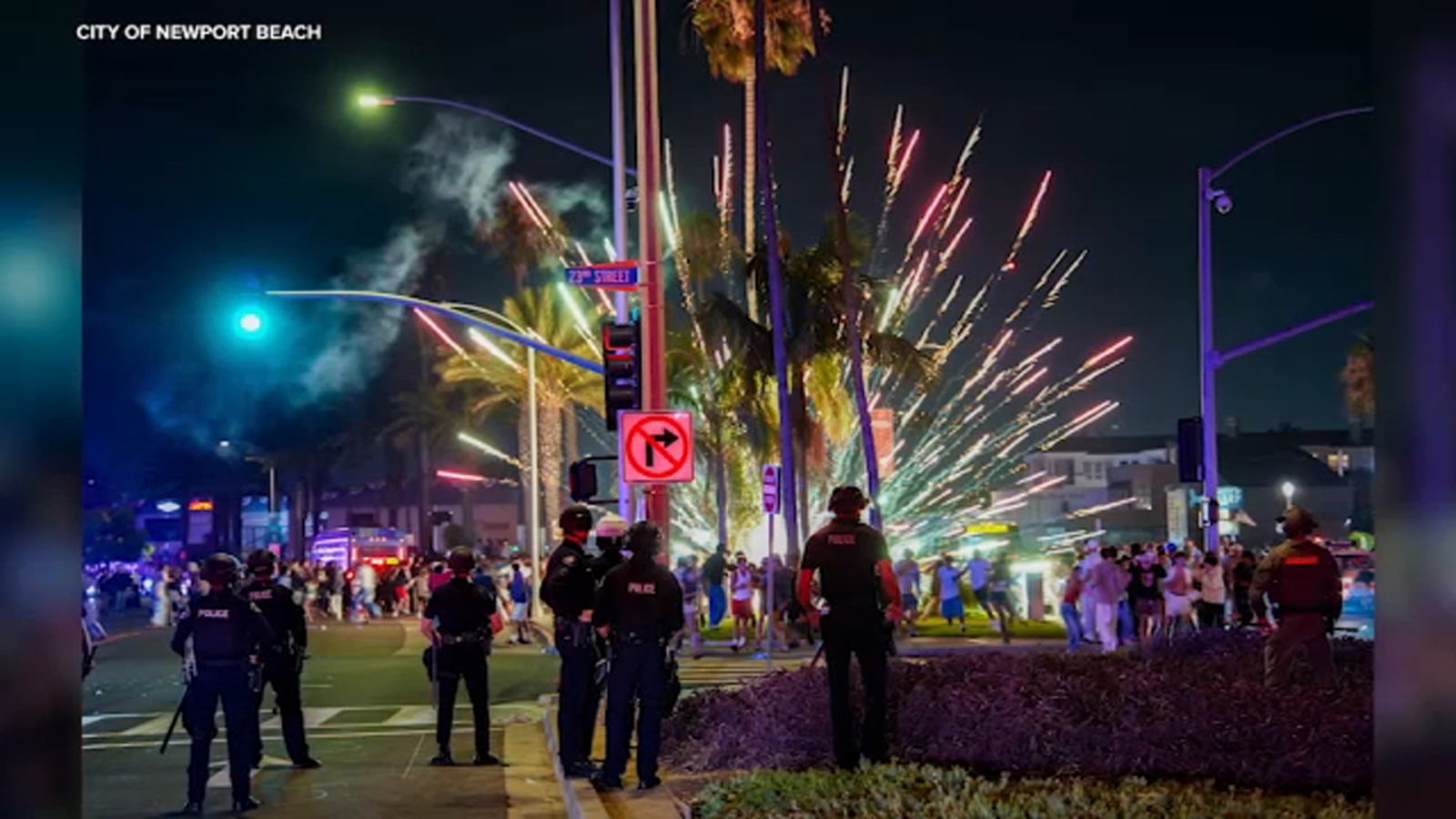
The use of fireworks as projectiles against law enforcement and crowds introduced a complex tactical variable. Deploying explosive mortars within dense populations exponentially increases the risk profile for both civilians and responding officers, as tragically evidenced by an officer sustaining injuries during the incident.
The necessity of employing mounted police to disperse crowds illustrates the limitations of standard containment strategies in chaotic, high-density environments. These measures, while effective for restoring order, highlight the extreme tactical responses required once a situation reaches a critical point of instability.
Economic and Institutional Consequences
Looting incidents, such as the one at a Pavilions supermarket on West Balboa Boulevard, demonstrate the downstream economic impact of civil unrest on local commercial infrastructure. These events impose direct costs on private entities and necessitate a broader evaluation of retail asset protection strategies during periods of anticipated public volatility.
For the city of Newport Beach, the incident prompts a critical review of its administrative and emergency response frameworks. The sheer volume of 402 arrests between July 3rd and July 5th places a substantial burden on regional judicial and detention systems, underscoring the systemic ripple effects of localized civil disorder.
Systemic Vulnerabilities in Urban Management
The Newport Beach incident serves as a salient case study in the fragility of public order during high-traffic holiday periods. When thousands congregate without structured oversight, the potential for rapid, unpredictable behavioral shifts poses a constant threat to institutional stability.
The administrative response, including the declaration of an unlawful assembly and subsequent area clearing, highlights the necessity of clear, enforceable protocols for restoring public safety. However, the reliance on reactive measures underscores the ongoing challenge for municipal authorities in developing effective proactive strategies for managing large, spontaneous crowds.
Long-Term Strategic Recalibration
Moving forward, the Newport Beach events necessitate a fundamental shift in how municipalities assess and mitigate risk in public spaces. The integration of real-time data monitoring, predictive analytics, and enhanced inter-agency communication protocols will likely become standard requirements for managing high-density holiday events.
The significant financial and operational costs associated with the July 4th response will inevitably influence future budgetary allocations for public safety and emergency preparedness. As cities increasingly grapple with the intersection of social media influence and public space utilization, the focus must intensify on preventive measures and the hardening of critical infrastructure against sudden, large-scale disruptions.
Institutional Resilience and Future Policy
Newport Beach’s successful restoration of order, achieved through the coordination of 17 regional agencies, underscores the critical importance of established mutual aid agreements. These institutional frameworks are indispensable for maintaining stability when local resources are stretched beyond their operational capacity.
Future policy developments in the region will likely address the complex legal and logistical challenges associated with managing large-scale arrests and the subsequent processing of detainees. The experience of this past July 4th provides a crucial baseline for evaluating the effectiveness of current emergency response strategies and identifying specific areas where institutional resilience and preparedness can be significantly strengthened.
Conclusion on Urban Stability and Preparedness
The Newport Beach incident starkly illustrates the complex, often conflicting, demands between public freedom of assembly and the imperative of maintaining order in dense urban environments. As these challenges persist, the focus for all stakeholders must remain on achieving a delicate balance between facilitating public access and ensuring safety, thereby protecting both public and private assets.
The structural and operational lessons derived from this event will critically inform future municipal strategies, emphasizing the essential need for enhanced agility, robust inter-agency coordination, and proactive management in an increasingly unpredictable social and technological landscape.