
Strategic Context of the Champions League Semifinal
The clash between Atletico Madrid and Arsenal at the Metropolitano represents a critical juncture for both organizations. Atletico seeks a return to the final after a decade-long hiatus, while Arsenal aims to bridge a two-decade gap. These objectives are driven by financial imperatives, as Champions League progression directly influences commercial valuation and the capacity to secure elite-tier recruitment.
Squad Management and Performance Leverage
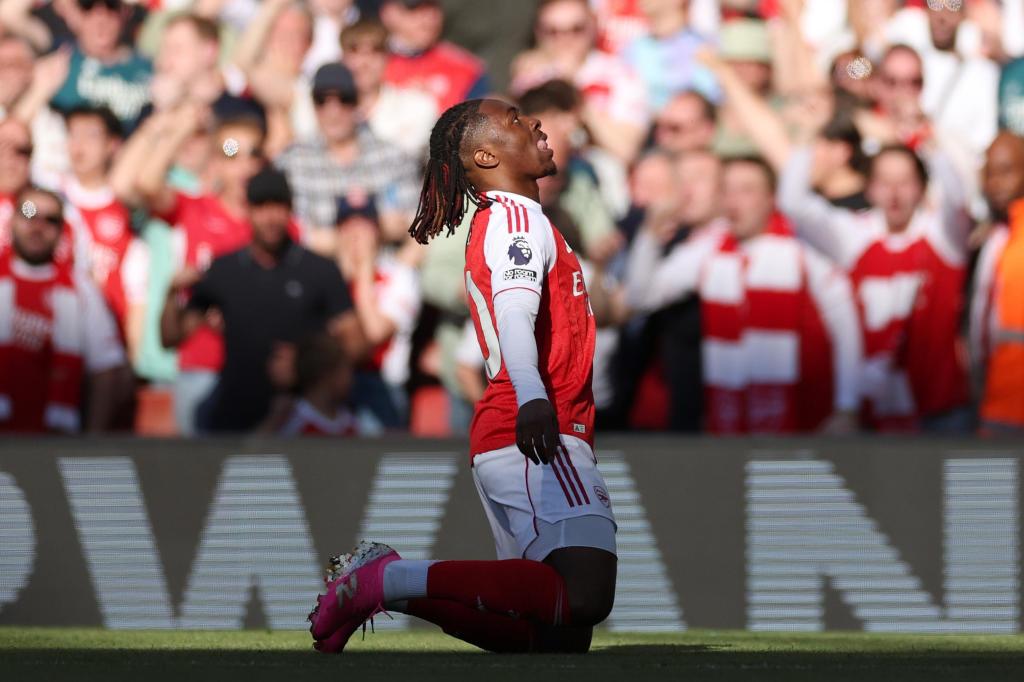
Success in this semifinal hinges on managing high-intensity player physical loads. Atletico’s reliance on Ademola Lookman—whose form has been vital since his Atalanta transfer—is tempered by muscle fatigue stemming from the Copa del Rey final. Diego Simeone’s rotation policy is now a critical point of failure or success. Simultaneously, Arsenal’s potential reintegration of Eberechi Eze offers necessary tactical depth to navigate the two-legged format. The ability to minimize injury risk under a condensed schedule serves as a primary indicator of modern elite management capabilities.
Institutional Strategy and Market Dynamics
This match is underscored by broader transfer market signaling, specifically concerning Julian Alvarez. Despite heavy interest from clubs including Arsenal and Barcelona, Atletico president Enrique Cerezo has prioritized asset retention over short-term capital liquidity. This approach signals a structural shift: prioritize competitive consolidation over immediate profit. Arsenal’s pursuit highlights their aggressive intent to bolster attacking efficiency, using their current Champions League status as leverage in future negotiation cycles.
Operational Pressures and Competitive Margins
Semifinal intensity is quantified through physical engagement and marginal refereeing decisions, such as Gabriel’s contested penalty claim. These high-pressure scenarios underscore the volatile nature of elite competition, where minor tactical frictions dictate organizational trajectory. The professional standard exhibited by both sides reflects the systemic burden placed upon squads to satisfy stakeholders while maintaining institutional consistency.
Long-term Implications for European Football
The outcome of this tie extends beyond the immediate scoreboard, serving as a case study in administrative resilience. The interplay between on-field efficacy and off-field strategic planning—ranging from injury recovery protocols to transfer market positioning—defines the modern football hierarchy. The victors will define their trajectory for upcoming seasons, validating their current investment models against the rigorous standards of continental competition.
Photo by jorono on Pixabay.