Nebraska Wildfires Force Evacuations Amidst Critical Fire Conditions
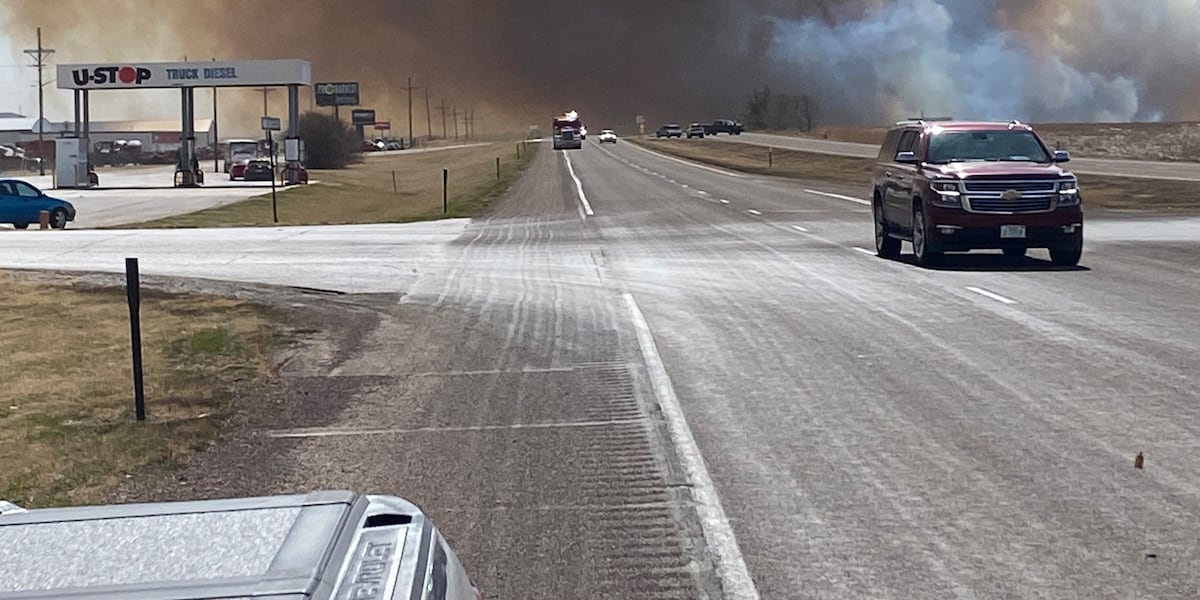
Nebraska faced widespread emergency responses on Thursday as multiple grass and brush fires ignited across the state. Evacuations and road closures were implemented under critically dangerous fire weather conditions, characterized by strong winds and exceptionally dry vegetation.
Lancaster County Fire Suppression Efforts
In Lancaster County, evacuation orders were issued for southwestern areas and subsequently lifted as firefighters worked to contain several grass fires. Key response zones included areas northwest and southwest of Denton, and east of Crete. The Lancaster County Sheriff’s Office reported most fires contained by early evening, with ongoing efforts in affected zones. Specific locations requiring attention included SW 100th and W Martell, NW 140th and W Adams, SW 140th and W Rokeby, and near SW 112th and W Pioneers. The rapid containment of these localized incidents demonstrated operational effectiveness, yet the emergence of new ignitions highlighted persistent environmental risks.
Dawson County Fire Disrupts Regional Access
A significant brush fire in southwestern Dawson County necessitated evacuations for the Village of Farnam, the Jeffrey Lake area, residences south of Gothenburg, and areas east of Highway 47. This incident led to the closure of Highway 47 in both directions between the Gothenburg interchange and Highway 23, impacting regional transportation and requiring public avoidance of the affected corridor. Mutual aid was mobilized from surrounding communities, including Lexington, Cozad, and Arnold, underscoring inter-jurisdictional cooperation essential for managing large-scale events that exceed single department capacities, especially under severe weather.
Farnam Evacuation Triggered by Wind Shift Forecast
The National Weather Service forecast predicted a southward shift of the southwest Dawson County wildfire, directly influencing evacuation orders for Farnam around 10 p.m. due to an anticipated wind change. This proactive measure prioritized resident safety by anticipating the fire’s potential trajectory and intensity. Designated evacuation centers were established at Eustis Public Schools and Brady School to provide temporary shelter and essential provisions for displaced residents, reflecting established emergency management protocols for natural disaster displacement.
Gage and Jefferson County Fires Prompt Road Closures
In northern Gage County, a substantial grass fire near Beatrice prompted the temporary closure of U.S. Highway 77. Originating near West Hickory Road, the fire rapidly spread across fields due to strong winds, crossing the highway and requiring a multi-departmental response for containment and structural protection. Similarly, a grass fire in rural Jefferson County near Fairbury saw firefighters battling flames spreading swiftly through dry vegetation. The coordination of multiple fire departments across these distinct areas emphasizes the widespread threat and reliance on state-wide fire services.
Statewide Fire Conditions Intensified by Environmental Factors
A confluence of environmental factors—powerful winds, abundant dry vegetation, and critically dangerous fire weather—exacerbated the series of fires across Nebraska. These conditions created a highly volatile environment where ignitions rapidly escalated into large, fast-moving wildfires. The widespread nature of these fires, reported in central Nebraska, the Sandhills, southeast Nebraska, and the Panhandle, indicates a systemic risk driven by regional weather phenomena creating uniform conditions conducive to fire ignition and spread across diverse landscapes, impacting both agricultural and residential areas.
Operational Demands and Resource Mobilization Challenges
The rapid response and sustained efforts by firefighters, emergency managers, and volunteer crews highlight the significant operational demands placed on emergency services. Mutual aid requirements and major transportation route closures underscore the substantial disruption these fires impose on local infrastructure and daily life. Strategic challenges for emergency management agencies involve allocating limited resources across multiple simultaneous incidents while anticipating future ignitions based on weather patterns, necessitating robust inter-agency communication and pre-established mutual aid agreements for effective response.
Environmental Context and Long-Term Mitigation
The prevalence of dry vegetation suggests underlying issues related to drought conditions or agricultural practices contributing to landscape susceptibility. Understanding these factors is crucial for developing long-term mitigation strategies and enhancing community resilience. The recurrence of such events, particularly under specific weather conditions, may necessitate a review of land management practices, fire prevention education, and emergency response infrastructure adequacy across the state, promoting proactive measures to reduce future wildfire season impacts.
Stakeholder Impact and Community Resilience Strategies
Residents in affected areas faced immediate threats to property and safety, requiring rapid evacuation and reliance on emergency services and community support. The disruption to daily life, including road closures and potential property damage, carries significant economic and social consequences. The utilization of designated evacuation centers and the mobilization of mutual aid underscore community interconnectedness and the importance of robust emergency management frameworks for public safety and disaster recovery.
Policy Considerations and Future Preparedness
Conditions fueling these fires are often influenced by broader climatic patterns and land use policies. The recurring nature of these events may prompt discussions on land management, fire mitigation strategies, and resource allocation for state and local emergency services. The effectiveness of current fire weather warnings and evacuation protocols will likely be assessed, potentially leading to refinements in public communication, early warning systems, and resource pre-positioning in high-risk areas.
Ecosystem and Agricultural Consequences of Recurrent Fires
The repeated burning of grassland ecosystems can alter vegetation composition, soil health, and wildlife habitats. The intensity and frequency of recent events may challenge natural resilience thresholds for some ecosystems. For the agricultural sector, these fires pose direct threats to crops, livestock, and farm infrastructure, with economic impacts extending beyond immediate losses to affect planting seasons, grazing availability, and overall operational viability.
Media’s Role in Public Awareness and Safety
Reporting by local and regional news outlets is critical for disseminating vital information on evacuation orders, road closures, and safety advisories, essential for coordinating emergency responses and ensuring public adherence. Consistent coverage raises public awareness of wildfire risks, particularly during heightened danger periods, fostering individual preparedness and promoting responsible behavior to reduce accidental ignitions.
Institutional Preparedness and Financial Implications
The operational demands of managing multiple, fast-moving wildfires underscore the need for well-trained personnel, adequate equipment, and effective command structures. Reliance on mutual aid agreements acknowledges that no single jurisdiction can effectively manage widespread emergencies. Financial implications for governments include direct firefighting costs, emergency response, and potential disaster relief, potentially straining budgets and necessitating strategic planning and investment in fire prevention and suppression.
Strategic Imperatives for Evolving Emergency Management
These events highlight the critical need for dynamic resource allocation and inter-agency coordination in response to rapidly evolving threats. Predicting fire behavior, such as the wind shift impacting Farnam, is paramount for effective strategic planning and timely protective measures. Future planning may involve enhanced predictive modeling for fire spread, improved communication systems, and the development of more resilient infrastructure in fire-prone areas to mitigate escalating risks from changing environmental conditions.
Inter-agency Collaboration in Emergency Response
While not a competitive market, the effectiveness of emergency response agencies is influenced by resource allocation and inter-agency collaboration. Jurisdictions with robust mutual aid networks and well-maintained equipment are better positioned to manage large-scale incidents. Performance during these events impacts public trust and can influence budgetary decisions and resource prioritization for public safety initiatives.
Investment in Fire Safety and Risk Mitigation
The recurring nature of significant wildfire events may spur increased capital investment in fire prevention technologies, advanced firefighting equipment, and infrastructure hardening in vulnerable areas, potentially involving both public sector funding and private sector innovation. Insurance markets may also adjust premiums and coverage in high-risk areas, incentivizing property owners and communities to adopt more robust fire mitigation measures.
Performance Leverage in Fire Suppression Operations
The efficiency and effectiveness of firefighting crews and incident command structures directly determine the impact of these events. Factors such as rapid deployment, coordinated tactics, and clear communication contribute to successful containment and damage minimization. The leverage gained from well-executed response operations is measured in lives saved, properties protected, and reduced economic losses, emphasizing the importance of continuous training, technological adoption, and strategic resource management.