Constitutional Interpretations and the ‘Domicile’ Theory
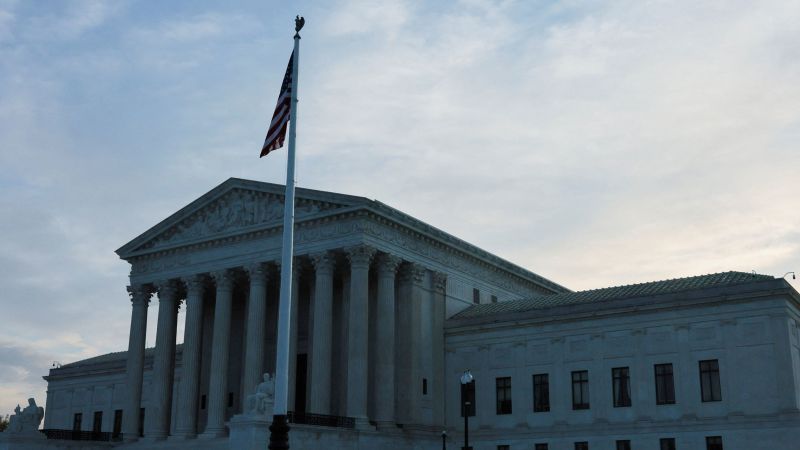
The United States Supreme Court is currently reviewing a high-stakes challenge to the traditional interpretation of the 14th Amendment’s Citizenship Clause. The Trump administration seeks to replace the long-standing jus soli (right of the soil) principle with a ‘permanent domicile’ standard. This shift would require children born in the U.S. to have at least one parent with established legal residency to qualify for automatic citizenship, a move that directly challenges the precedent set in United States v. Wong Kim Ark (1898).
During oral arguments, administration counsel John Sauer argued that the phrase ‘subject to the jurisdiction thereof’ implies more than mere physical presence; it necessitates an ‘allegiance’ rooted in the parents’ legal status. This interpretation posits that the mother’s domicile should be the primary determinant, introducing a consensualist model of citizenship over the existing territorial one.
Judicial Skepticism and the Weight of Precedent
The justices expressed significant skepticism regarding the textual and historical basis of the administration’s claims. Justice Neil Gorsuch notably questioned the reliance on obscure 19th-century sources and Roman Law, challenging the administration to reconcile its theory with the plain text of the Constitution. The bench’s inquiry focused on whether ‘jurisdiction’ refers to the power of U.S. laws over an individual or a more esoteric requirement of political affiliation.
Beyond theory, the Court highlighted the principle of stare decisis. For over a century, the 14th Amendment has served as a cornerstone of American identity, ensuring that citizenship is an objective fact of birth rather than a subjective administrative determination. Overturning this would not only disrupt constitutional settledness but could also signal a shift toward a more interventionist judicial approach to historical amendments.
Administrative Complexity and Socio-Economic Volatility
A transition to a domicile-based standard would necessitate a massive expansion of federal bureaucracy. Verifying the intent and legal residency of every parent at the moment of birth would replace a simple birth certificate with a complex adjudicatory process. Justices raised concerns over the ‘operational feasibility’ of such a system, noting the potential for massive backlogs, errors in citizenship status, and the creation of a ‘stateless’ class of residents.
The socio-economic ramifications are equally profound. Uncertainty regarding citizenship status would ripple through labor markets, educational institutions, and social service sectors. If applied retroactively, the ruling could jeopardize the status of millions of current citizens, introducing systemic instability into the nation’s demographic and legal frameworks.
Executive Authority and the Political Landscape
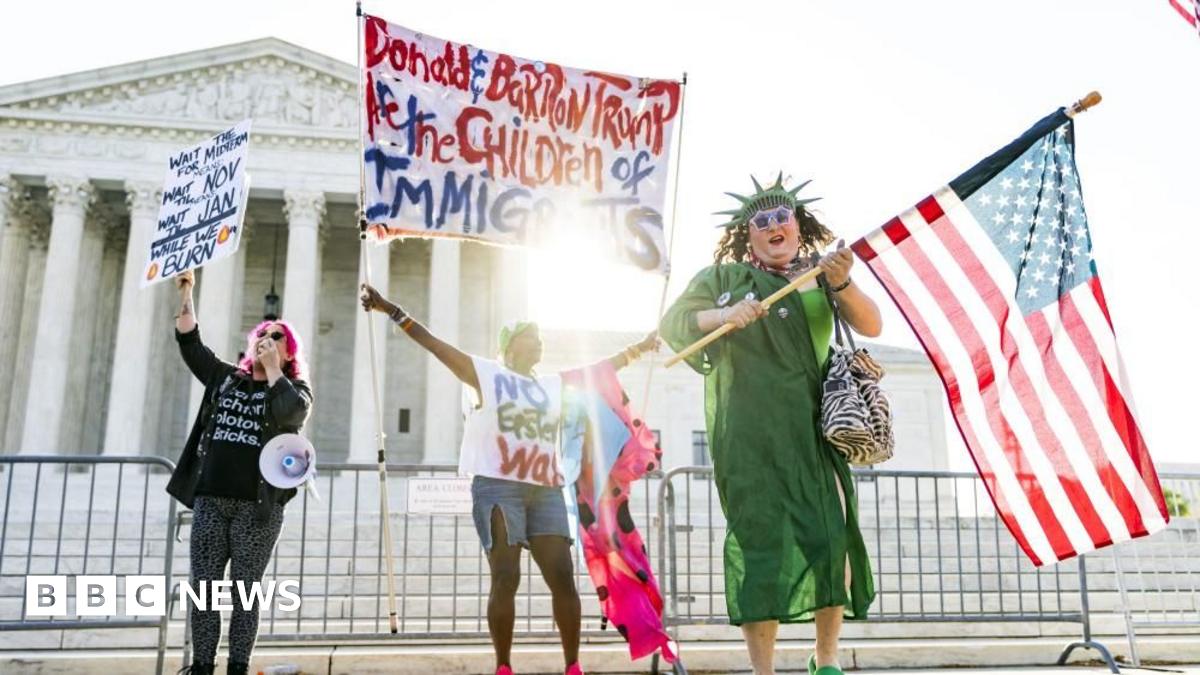
President Trump’s personal attendance at the proceedings—a rare move for a sitting executive—highlights the case’s political salience. By framing birthright citizenship as an executive policy matter rather than a fixed constitutional right, the administration attempts to expand the boundaries of executive influence over immigration. However, the Court’s historical role as a check on executive overreach suggests that any departure from established law will require a rigorous, text-based justification that the administration has yet to fully secure.