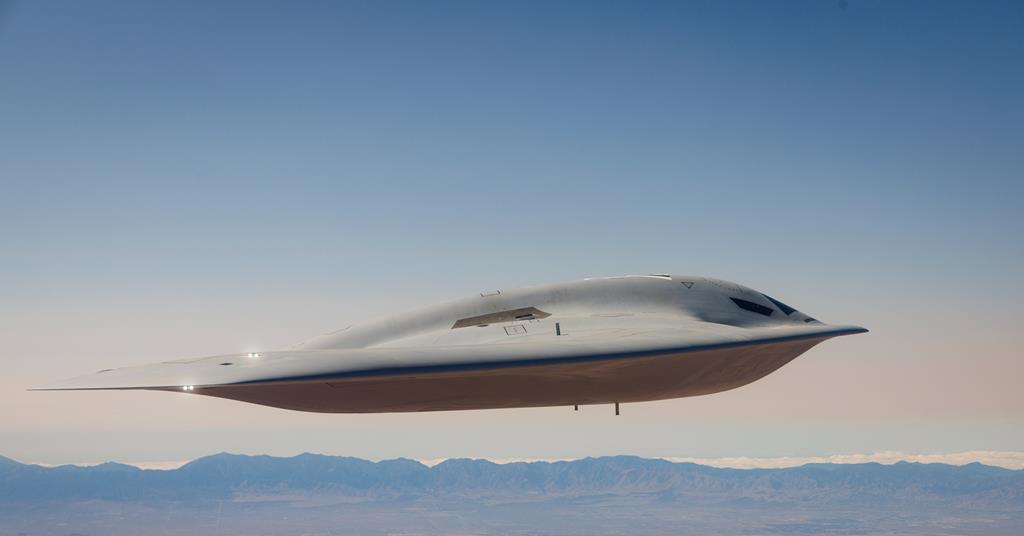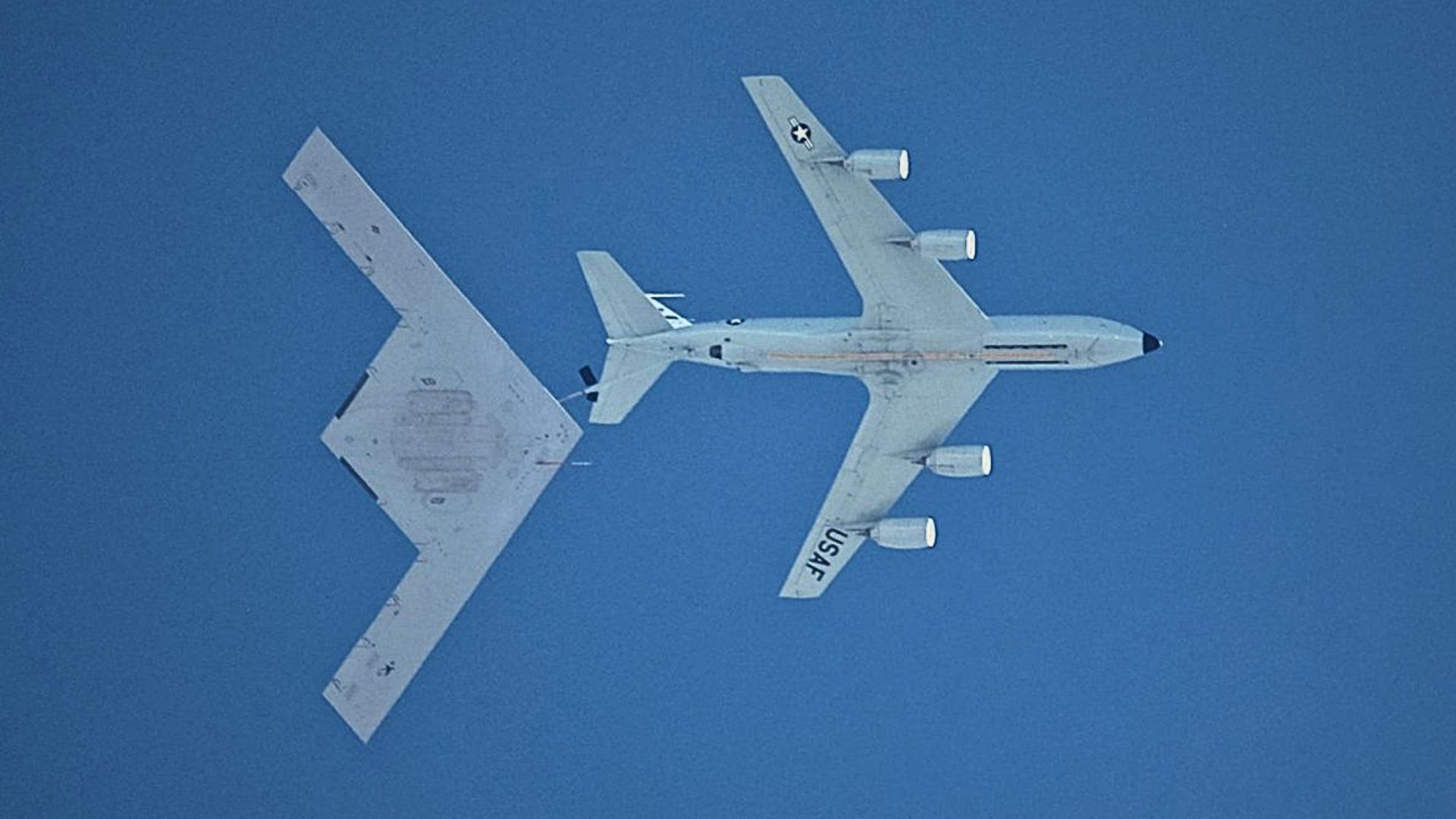
The recent, visually confirmed interaction between a B-21 Raider prototype and a KC-135 Stratotanker marks a definitive progression in the bomber program’s operational validation phase. This milestone, which included close-proximity maneuvering over California, directly addresses the non-negotiable requirement for long-range strategic sustainment, propelling the platform closer to the US Air Force’s targeted 2027 initial operational capability (IOC) timeline.
Integration with Legacy Logistics: A Strategic Dependency
While the Air Force has yet to explicitly confirm fuel transfer, the documented close engagement confirms successful interface with the existing tanker architecture. This integration is paramount, as the B-21’s strategic utility relies entirely on seamless interoperability with the Air Force’s established aerial refueling ecosystem, predominantly the aging KC-135 fleet.
The timing of this test sequence is analytically significant, occurring while the current long-range bomber force (B-2/B-52) remains actively engaged in global strategic operations. This operational tempo places tangible pressure on the B-21 testing schedule, requiring rapid validation of sustainment capabilities to prevent future deterrence gaps.
Tailored Testing: The Role of the 370th Flight Test Squadron
The test utilized a specialized NKC-135 tanker managed by the 370th Flight Test Squadron from Edwards AFB. This dedicated involvement underscores the high level of scrutiny applied to the B-21’s refueling probe and receiver systems, ensuring compatibility with established protocols despite the bomber’s low-observable (LO) design characteristics.
The reliance on the KC-135, despite its obsolescence, highlights the immediate logistical constraint: the B-21’s eventual full operational envelope is inherently tethered to the reliability of its legacy support structure. Preceding warnings from senior commanders regarding tanker fleet readiness underscore this critical dependency.
Operational Calculus and Fielding Imperatives
Successful aerial refueling validation fundamentally alters the strategic calculus for long-range strike planning. It confirms the B-21’s core design intent: the ability to conduct sustained, deep-penetration missions without dependence on politically sensitive forward operating bases (FOBs), offering superior operational flexibility compared to current platforms.
The reported five-hour flight duration demonstrates a successful initial validation of endurance capabilities, directly enabled by the refueling integration. This data validates the platform’s readiness to assume missions previously reliant on intensive KC-135 support cycles.
Managing Transparency and Adversary Intelligence
The public documentation, captured by persistent open-source intelligence (OSINT) and aviation spotters, illustrates the current security dynamic: proprietary milestones are frequently exposed. The Air Force’s response—confirming proximity while withholding fuel transfer specifics—reflects a calculated posture to signal progress domestically while limiting technical data release to potential adversaries.
The presence of an F-16 escort during the operation suggests that test protocols are simultaneously integrating layered security measures and defining operational escort requirements for the B-21’s doctrinal deployment profile.
Ecosystem Momentum and Investment De-Risking
For Northrop Grumman and the aerospace supply chain, the validation of a core operational capability like refueling de-risks a significant variable in the platform’s development. This milestone can accelerate downstream capital allocation toward specialized systems, production scaling, and ancillary support infrastructure required for fielding.
The proximity of the Palmdale assembly site to Edwards AFB facilitates rapid iteration between flight data acquisition and engineering adjustments, maximizing efficiency and supporting the accelerated 2027 delivery objective. The dual-track testing—evidenced by multiple prototypes involved—indicates a mature engineering approach compressing the validation timeline.
Next Steps in Operational Certification
With refueling validated, the next critical testing vectors will likely involve certification of the weapons bay, electronic warfare (EW) suite integration, and survivability testing within contested electromagnetic environments (EME). The refueling success clears the procedural pathway for these subsequent, technologically complex integration stages.
Conclusion on Program Velocity
The B-21 aerial refueling test is a strategic inflection point confirming that the program has navigated a major operational threshold. This convergence of visible testing, official confirmation, and alignment with the 2027 fielding mandate signals a decisive transition from basic flight envelope testing toward full mission capability integration for this cornerstone of future U.S. air power.