2026 NBA Postseason: Strategic Attrition and Franchise Valuation Shifts
The opening salvos of the 2026 NBA Playoffs have transcended mere box scores, emerging as a high-stakes crucible for organizational philosophy and roster elasticity. These early-round dynamics function as leading indicators for franchise valuations and long-term strategic viability, where on-court efficiency directly correlates with off-court market positioning.
Western Conference: Lakers’ Depth and the Risk-Reward of Star Recovery
In the Western Conference, the Los Angeles Lakers’ 2-0 advantage over the Houston Rockets illustrates a masterclass in attrition management. The return of Kevin Durant in Game 2, following a lateral collateral ligament scare, underscores the high-leverage calculus of postseason health. Durant’s immediate defensive impact—punctuated by a block on Luke Kennard’s initial attempt—and his 23-point contribution validated the medical staff’s aggressive clearance protocols.
Simultaneously, LeBron James continues to defy standard aging curves, registering a 28/8/7 line that sustains the Lakers’ championship window and bolsters their sponsorship premium. Perhaps most significant was the tactical adaptation in the absence of Luka Doncic and Austin Reaves; Luke Kennard’s 23-point surge demonstrated a level of roster depth that mitigates personnel volatility. Historically, a 2-0 lead allows a franchise to optimize player rotation loads, whereas the Rockets now face the ‘desperation phase,’ often leading to sub-optimal, high-risk tactical shifts.
Eastern Conference: Tactical Disruption and Coaching Job Security
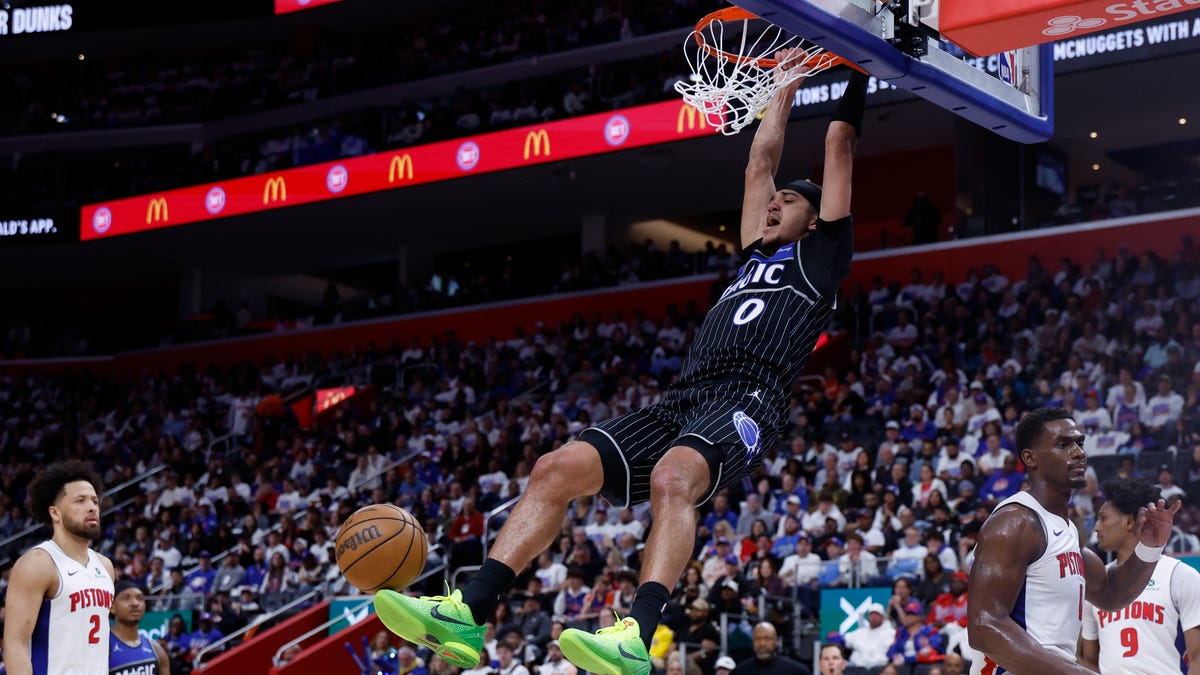
The Eastern Conference narrative was upended by the Orlando Magic’s defensive strangulation of the top-seeded Detroit Pistons. By limiting Detroit to 34 points in the paint—a staggering 23.9 points below their seasonal average—Orlando showcased an asymmetric defensive scheme that exploited Detroit’s lack of spacing. This ‘Zombie Magic’ phenomenon is more than a media trope; it is a testament to Jamahl Mosley’s tactical evolution. For Mosley, this upset serves as a critical performance review, likely securing his tenure against previous front-office skepticism.
Conversely, the Pistons’ failure to protect their home-court seeding triggers immediate questions regarding their rotational rigidity. While the defending champion Oklahoma City Thunder maintained their dominant market position with a clinical opening victory, the Pistons’ stumble highlights the fragility of regular-season metrics when confronted with playoff-specific scouting. The Thunder’s continuity remains the league’s gold standard, driving global media rights value through consistent excellence.
Organizational Lifecycle and Front-Office Resets
Beyond the active series, the league faces several structural inflection points. The Golden State Warriors are nearing a legacy crossroads as internal debates regarding the Curry-Kerr era’s sunset gain momentum. This represents a classic ‘sunk cost vs. future value’ dilemma for ownership. Similarly, the Chicago Bulls’ search for a new General Manager suggests a looming pivot toward a full-scale rebuild, impacting regional broadcasting valuations and fan engagement metrics.
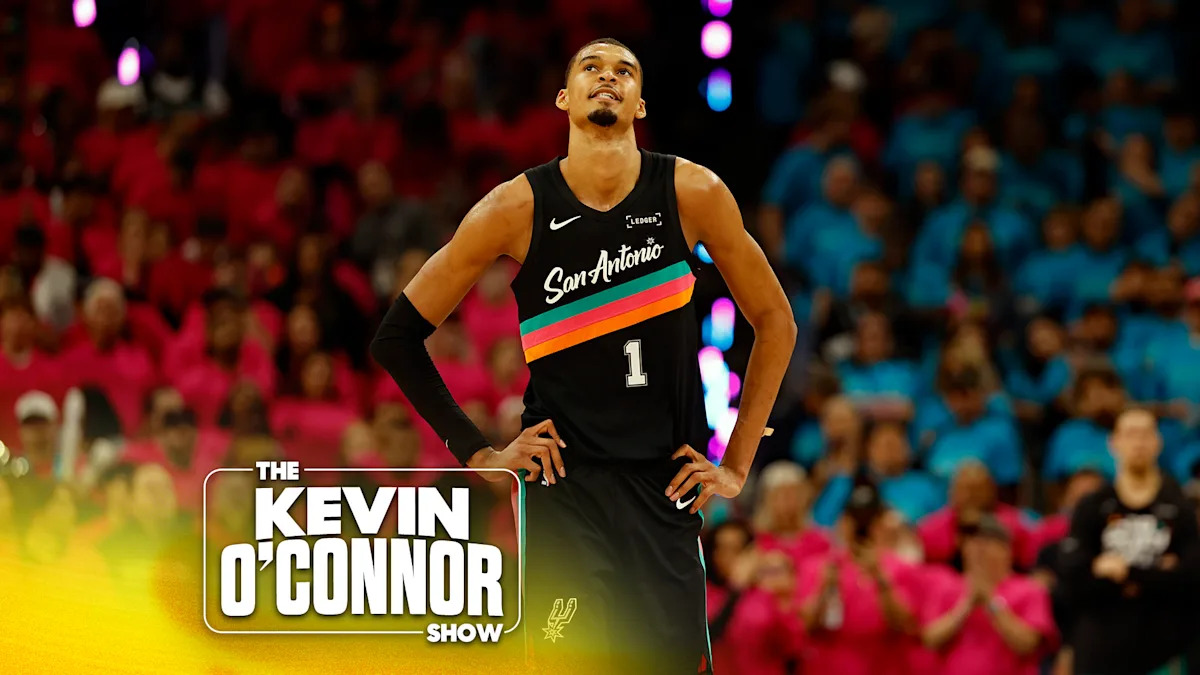
The debut of Victor Wembanyama in a historically physical playoff environment serves as a benchmark for the Spurs’ long-term asset development. His ability to navigate high-pressure defensive shells will dictate the Spurs’ aggressive pursuit of secondary stars in the 2026 offseason. These maneuvers, combined with the looming contract negotiations for LaMelo Ball in Charlotte, illustrate the constant flux of the NBA’s financial ecosystem, where postseason success acts as the primary catalyst for capital investment and brand expansion.