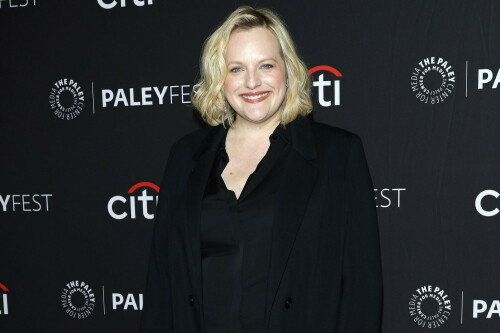
Hulu and Elisabeth Moss’s representatives have engineered a significant awards strategy by securing a Television Academy ruling that designates ‘The Testaments’ as a series distinct from its predecessor, ‘The Handmaid’s Tale.’ This classification bypasses standard eligibility barriers for performers reprising established roles.
Strategic Classification and Academy Rules
The Television Academy’s decision to recognize ‘The Testaments’ as a separate series is the cornerstone of this awards campaign. Academy regulations typically prohibit actors previously nominated or awarded in a lead or supporting category for a role from entering the guest categories for that same character within the same show. Moss’s prior Emmy win for portraying June Osborne in ‘The Handmaid’s Tale’ necessitated a formal petition to qualify for Guest Drama Actress consideration in the spinoff.
This administrative victory leverages Moss’s critical acclaim while strategically placing her in a category with potentially less direct competition from long-running series leads. The successful petition demonstrates a sophisticated understanding of the Academy’s evolving rulebook, especially concerning guest appearances, by establishing the spinoff as a legally and creatively separate production.
Competitive Landscape in the Guest Category
Moss’s submission for Guest Drama Actress, specifically for Episode 103 (‘Daisy’), introduces a formidable contender. The episode, which aired April 8th, showcases a narrative arc focused on suppressed memories and June’s violent history in Toronto, offering a concentrated display of Moss’s character depth.
This strategic entry presents a significant competitive advantage over other guest performers, who may not benefit from the same depth of character development and established recognition. Targeting the guest category, rather than lead or supporting, appears calculated to maximize the probability of an award win through a high-impact, singular performance.
The timing of this submission, following the release of category entry lists, forces rival studios to recalibrate their campaign strategies, acknowledging the challenge posed by a former Lead Actress winner now competing in the guest field.
Precedent and Institutional Learning
This strategy appears to directly address the eligibility challenges faced by Alexis Bledel. During the final season of ‘The Handmaid’s Tale,’ Bledel was disqualified from guest consideration after rule changes required her single-episode appearance to be classified as supporting, due to her prior lead/supporting nominations for the same series.
Hulu’s proactive petition for Moss exemplifies institutional learning, safeguarding against the technical disqualifications that impacted Bledel. By securing the separate series designation early, the platform prevents the restrictive overlap that can occur when a character moves between different phases or iterations of a franchise.
This foresight serves as a blueprint for managing complex intellectual properties, illustrating how a production’s classification directly impacts talent eligibility and studio awards strategies.
Narrative Focus and Submission Strategy
The selection of the episode ‘Daisy’ is driven by its specific dramatic utility. Written by Bayan Wolcott and directed by Mike Barker, the episode delves into character trauma and suppressed memories, offering Moss the emotional range crucial for a guest acting win.
Emmy submissions in the guest category favor performances that are compelling as standalone units while resonating with the overarching series mythology. ‘Daisy’ fulfills this by exploring June’s past through the lens of trauma, providing a focused demonstration of the performance style that defined the original series.
The episode also acts as a narrative bridge, connecting June Osborne’s legacy to the new thematic focus of ‘The Testaments,’ thereby maximizing emotional impact on voters familiar with the character’s history.
Stakeholder Incentives and Brand Continuity
For Hulu, continued awards recognition for Elisabeth Moss is vital for maintaining the brand equity of ‘The Testaments’ and the ‘Handmaid’s Tale’ franchise. The spinoff represents a substantial investment, and its critical prestige is intrinsically linked to that of its predecessor.
Securing an Emmy nomination for Moss in the spinoff validates the series’ creative necessity and reinforces the franchise’s status as a top-tier contender. This reputational momentum is crucial for subscriber retention and attracting talent to future projects within the same universe.
The involvement of key creatives like Bruce Miller ensures production stability, supporting high-level performances and a cohesive brand extension.
Operational Dynamics and Future Implications
The operational landscape of ‘The Testaments’ involves balancing legacy character integration with establishing a new narrative identity, exemplified by characters like Agnes Mackenzie (Chase Infiniti) and potentially Luke (O-T Fagbenle). Moss’s guest status facilitates this balance, allowing her star power to benefit the show without overshadowing the new ensemble.
This approach preserves the spinoff’s narrative integrity while strategically deploying Moss’s significant presence for awards campaigns. The fluidity in the involvement of returning cast members suggests a production strategy prioritizing narrative impact and competitive advantage, as demonstrated by Moss’s targeted category submission.
The Academy’s ruling on ‘The Testaments’ may establish a precedent for how franchises manage character transitions and awards eligibility. As spinoffs and continuations become more prevalent, the definition of a ‘separate series’ will be a critical point of contention for awards strategists, empowering studios that can successfully argue for distinct classification.
This case underscores the professionalization of awards campaigning, extending beyond talent promotion to encompass regulatory navigation and strategic lobbying to create the most favorable competitive environment for key assets.