The contemporary theatrical landscape is defined by a distinct market bifurcation: the high-velocity dominance of family-oriented intellectual property (IP) and the strategic pivot of mid-budget horror toward director-led branding. The Super Mario Galaxy Movie has secured the domestic pole position for three consecutive weeks, demonstrating a demographic resilience that resists traditional counter-programming. With a 19-day cumulative total of $355.2 million, the film currently ranks 26th all-time in domestic earnings, signaling a return to the high-density performance cycles last observed in 2016.
This concentration of capital into top-tier franchise assets has created a competitive vacuum. Diverse genre entries, such as the science-fiction vehicle Project Hail Mary, have struggled to erode the market share commanded by established gaming IP. This trend underscores a structural shift where the distribution of theatrical wealth is increasingly skewed toward recurring audience spend on cross-generational brands, forcing other genres to seek alternative methods of market differentiation.
Auteurism as IP Revitalization: The Case of Lee Cronin’s The Mummy
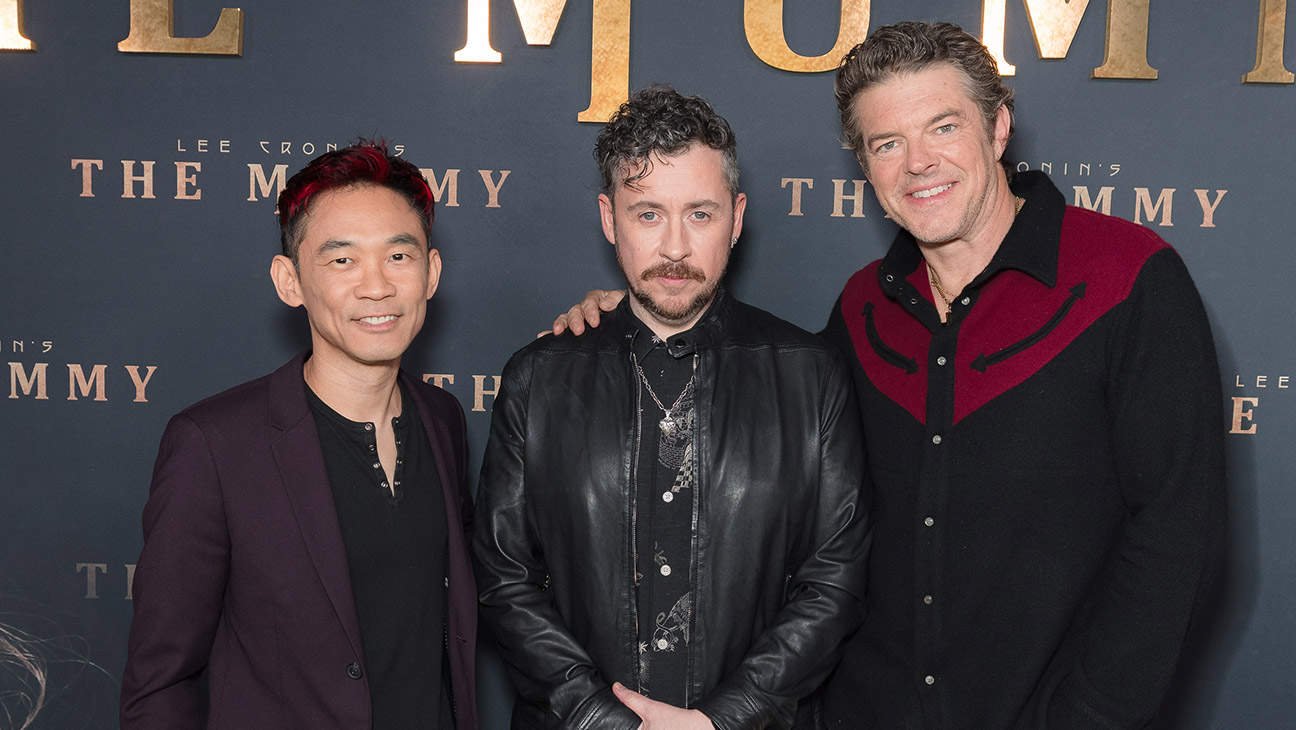
In response to this saturation, the collaboration between Blumhouse and Atomic Monster on Lee Cronin’s The Mummy represents a sophisticated experiment in possessory branding. By elevating Cronin—the architect of the high-grossing Evil Dead Rise—to a primary marketing asset, the studios are attempting to mitigate ‘IP fatigue.’ The possessory title serves as a tactical boundary, distancing this iteration from both the 1932 original and the adventure-centric cycles of the late 90s, thereby framing the project as a singular, prestige horror event.
The institutional decision to grant Cronin significant creative autonomy reflects a broader industry reliance on proven genre talent to navigate financial risk. This strategy prioritizes ‘creative transgression’—the use of taboo-breaking themes—as a primary tool for engagement. By subverting traditional maternal roles and exploring mortal peril involving children, Cronin taps into primal psychological anxieties. This shift toward the transgressive is a calculated response to a consumer base that has become desensitized to conventional jump-scare mechanics and formulaic monster tropes.
Operational Synergies and Future Projections
The Blumhouse-Atomic Monster model optimizes the efficiency of mid-budget production by balancing experimental risks against historical IP recognition. However, the production remains subject to the operational friction of the studio system, specifically the influence of test screenings. The tension between a filmmaker’s transgressive intent and the institutional demand for broad marketability remains a defining challenge. The success of The Mummy will be measured not just by its opening weekend, but by its ability to generate the sustained word-of-mouth necessary for profitability in a high-CAC (Customer Acquisition Cost) environment.
Looking toward the 2028 horizon, the industry faces a unique competitive overlap with the anticipated return of Brendan Fraser to the Mummy franchise. This creates a condensed lifecycle for the current iteration, necessitating a distinct value proposition. As the industry stabilizes to levels mirroring 2016’s $300M+ early-year benchmarks, the future of the mid-budget sector depends on its ability to offer singular, provocative experiences that deviate from the safety of mainstream family blockbusters.