
The Tri-National Challenge: Operational and Structural Changes for 2026
The 2026 FIFA World Cup represents a significant structural departure from previous tournaments, expanding to 48 teams and increasing the total number of matches to 104. This expansion, spanning 39 days from June 11 to July 19, 2026, fundamentally alters the tournament’s operational profile. The shift from a 32-team format to a 48-team structure represents a strategic move by FIFA to maximize revenue generation through increased broadcast inventory and sponsorship opportunities, while broadening global participation.
This expansion necessitates a tri-national hosting arrangement involving Canada, Mexico, and the United States, utilizing 16 host cities across the three nations. This unprecedented geographical spread introduces complex logistical challenges related to team travel, fan mobility, and security coordination across distinct jurisdictions. The United States, with 11 of the 16 host cities, assumes the primary operational burden and financial opportunity, leveraging its extensive infrastructure. Mexico (three cities) and Canada (two cities) participate in a more focused capacity, leveraging the event for specific economic and tourism benefits. The source data describes the tournament as the “longest and most expensive World Cup in history,” highlighting the scale of operational complexity and financial commitment required from host nations.
Financial Implications and Revenue Generation Model
The increase to 104 matches significantly inflates the available inventory for broadcast rights and corporate sponsorship, which are FIFA’s primary revenue streams. The extended duration of the tournament, coupled with the larger number of matches, allows for higher valuation of media rights packages. This financial model shifts the risk profile, prioritizing revenue generation through a higher volume of matches rather than relying solely on high-stakes knockout rounds.
For the host cities, the financial impact involves significant upfront investment in security and infrastructure, balanced against potential long-term economic benefits from tourism and international exposure. The source’s characterization of the event as “most expensive” suggests that host cities bear substantial costs, while FIFA captures the majority of direct revenue from broadcast rights and sponsorships. The economic success for individual host cities will depend heavily on their specific match allocations and ability to leverage existing tourism infrastructure to maximize secondary spending by visiting fans.
Competitive Landscape: Opportunities for Established and Emerging Nations
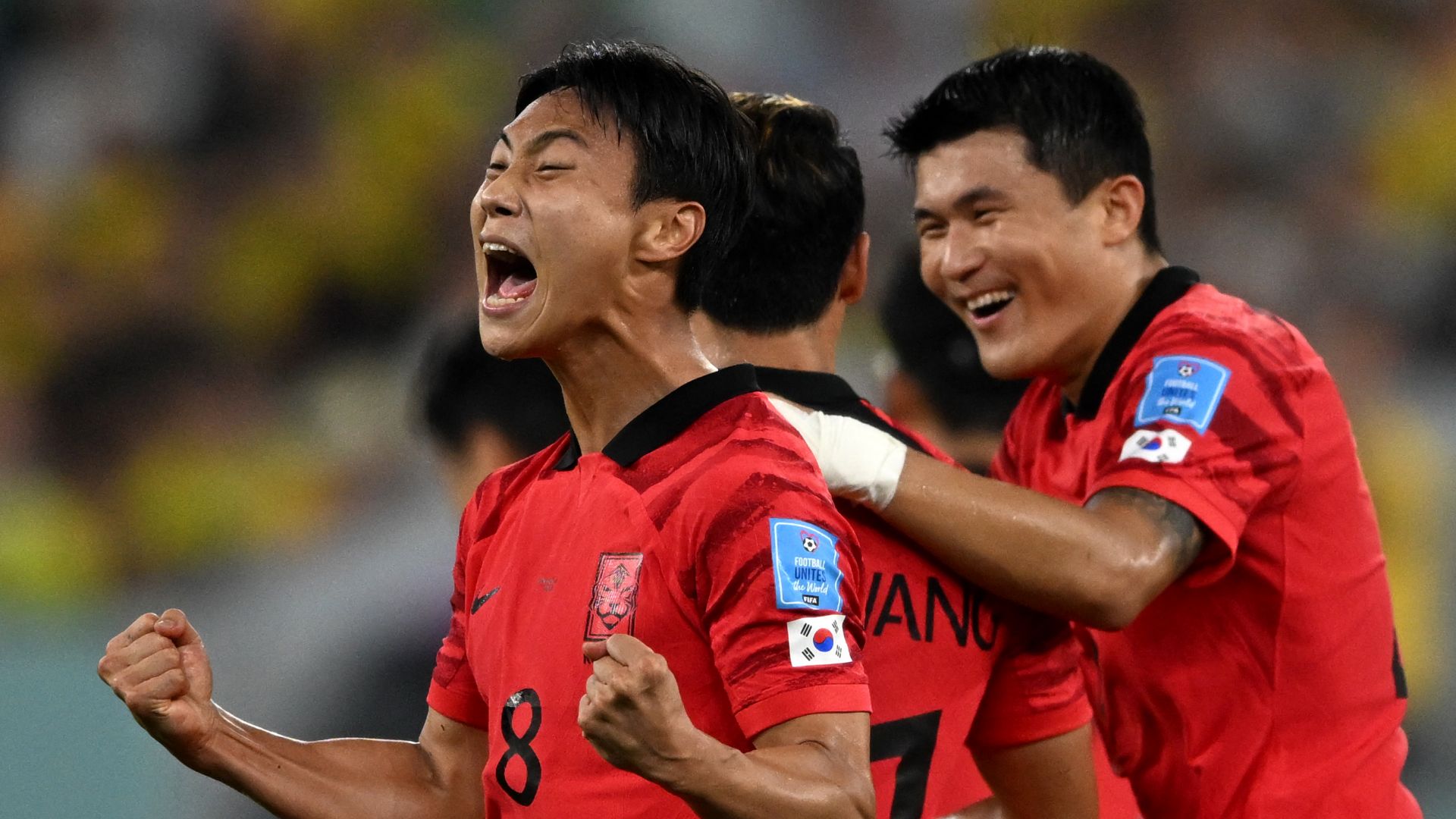
The expansion to 48 teams fundamentally alters the competitive landscape for participating nations by creating a more accessible pathway to the knockout rounds. For established footballing powers like South Korea, the new format changes the calculus of qualification and group stage progression. The source highlights South Korea’s consistent performance, noting their 11th consecutive appearance and ambition to reach the knockout stages for a third straight tournament. The expanded group stage potentially eases the path for consistent performers to advance, allowing them to focus on strategic positioning and tactical adjustments rather than qualification struggles.
Conversely, the expansion provides a crucial opportunity for emerging football nations to gain global exposure. The source mentions Iraq’s qualification for the first time since 1986, highlighting the significance of this achievement. The increased number of slots in the tournament allows teams from regions with developing football infrastructure to compete on the global stage. This exposure can stimulate investment in youth development programs and national team infrastructure in those countries, creating a long-term benefit for global football development.
Market Dynamics and Diaspora Engagement
The ticket market for the 2026 World Cup is driven by a complex interplay of national identity, cultural significance, and diaspora demographics, especially in the North American market. The source specifically notes the high demand for tickets from the Iraqi diaspora, describing the event as a “once-in-a-lifetime event” for these fans. This dynamic ensures high attendance for matches involving teams from regions like Asia and the Middle East, even in early group stage fixtures, providing a stable revenue base for FIFA and host cities.
The presence of large diaspora communities creates inelastic demand, where ticket sales are driven more by emotional connection and national pride than by simple entertainment value. This market dynamic mitigates the risk of low attendance for matches without local interest. The high demand from specific fan bases, as highlighted by the source, underscores how the tournament leverages existing demographic trends in the host nations to ensure commercial success.
Long-Term Implications for Global Football Governance
The 2026 World Cup format serves as a template for future global tournaments, solidifying FIFA’s strategy of maximizing participation and revenue through expansion. The success of this tri-national, 48-team model will likely influence future decisions regarding tournament structure and hosting arrangements. The source’s emphasis on the scale and cost of the event suggests that future hosts may need to form similar multi-national bids to meet the infrastructure requirements of a larger tournament.
However, the format change potentially dilutes the competitive intensity of the group stage by increasing the number of matches between top-tier and lower-tier teams. The focus shifts from a highly concentrated group stage to a longer, more drawn-out tournament structure, requiring teams to manage player fatigue and strategic rotation over an extended period.

Photo by jorono on Pixabay.