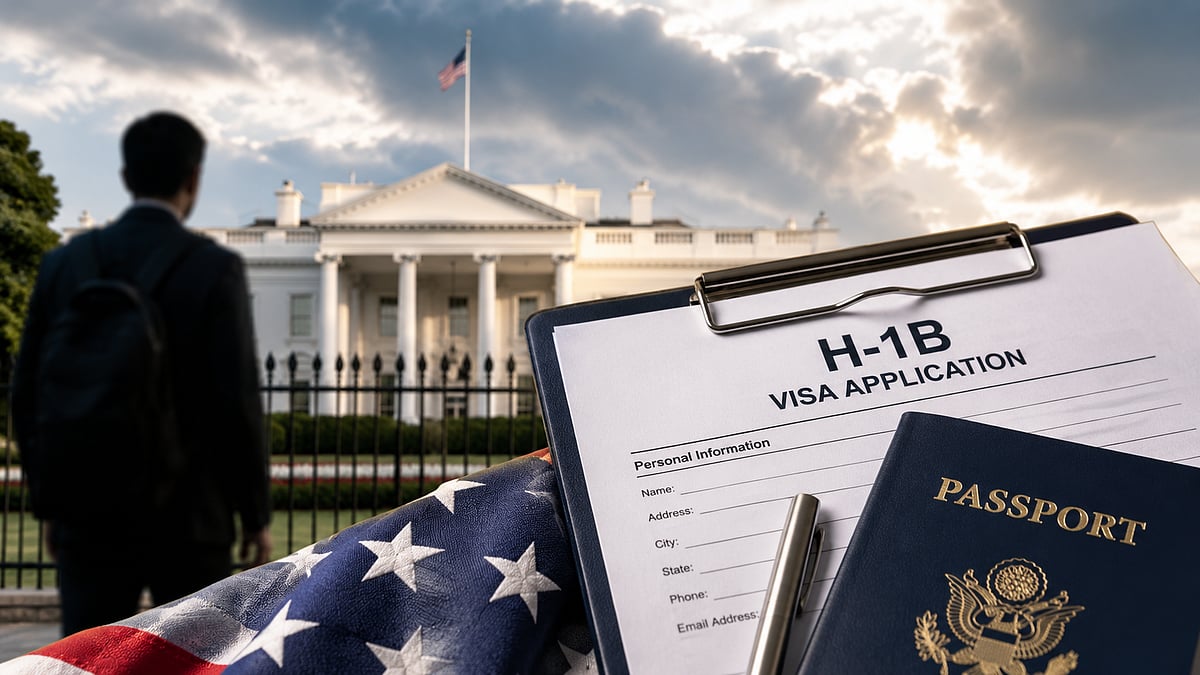
A federal regulatory measure targeting the H-1B specialty occupation visa program has cleared executive review. The Office of Information and Regulatory Affairs (OIRA) completed its review of a Department of Homeland Security (DHS) proposal indexed under regulatory identification number RIN: 1615-AD22, signaling the impending publication of a rule designed to modify operational parameters for foreign professionals in the U.S.
Central to the proposed shift is the potential elimination of the established 60-day grace period that permits H-1B workers to secure alternative employment, change status, or depart the country following termination. Established via agency rulemaking in 2017, this transition window currently functions as a buffer for professionals experiencing sudden job displacement. Removing this provision would compress compliance timelines for corporate human resources and impact workforce mobility.
Regulatory Mechanics and Compliance Impact
This initiative operates alongside separate administrative discussions regarding increased fees for nonimmigrant workers—including a proposed $103,265 fee for new hires—underscoring a broader effort to alter the cost structure of utilizing specialized foreign labor. Corporate legal departments face heightened operational uncertainty regarding compliance timelines, requiring human resource divisions in technology, finance, and engineering to reevaluate workforce reduction risk models.
H-4 Dependent Spouses and Employment Authorization
In a separate long-term regulatory action, DHS has outlined plans to remove certain H-4 dependent visa holders from eligibility for employment authorization under the (c)(26) classification. Such an action would reverse the framework established by the 2015 final rule extending work rights to designated dependent spouses. While classified as a long-term action rather than an immediate publication, the proposal has driven engagement among advocacy groups and visa holders tracking labor market changes.
Institutional Implications and Market Exposure
The convergence of these regulatory proposals creates complex compliance hurdles for organizations reliant on global talent. Legal analysts emphasize that altering grace periods or dependent work authorization directly influences corporate recruitment overhead and talent retention. While OIRA clearance marks a definitive procedural step toward publication, formal notice and comment rulemaking procedures govern final implementation.