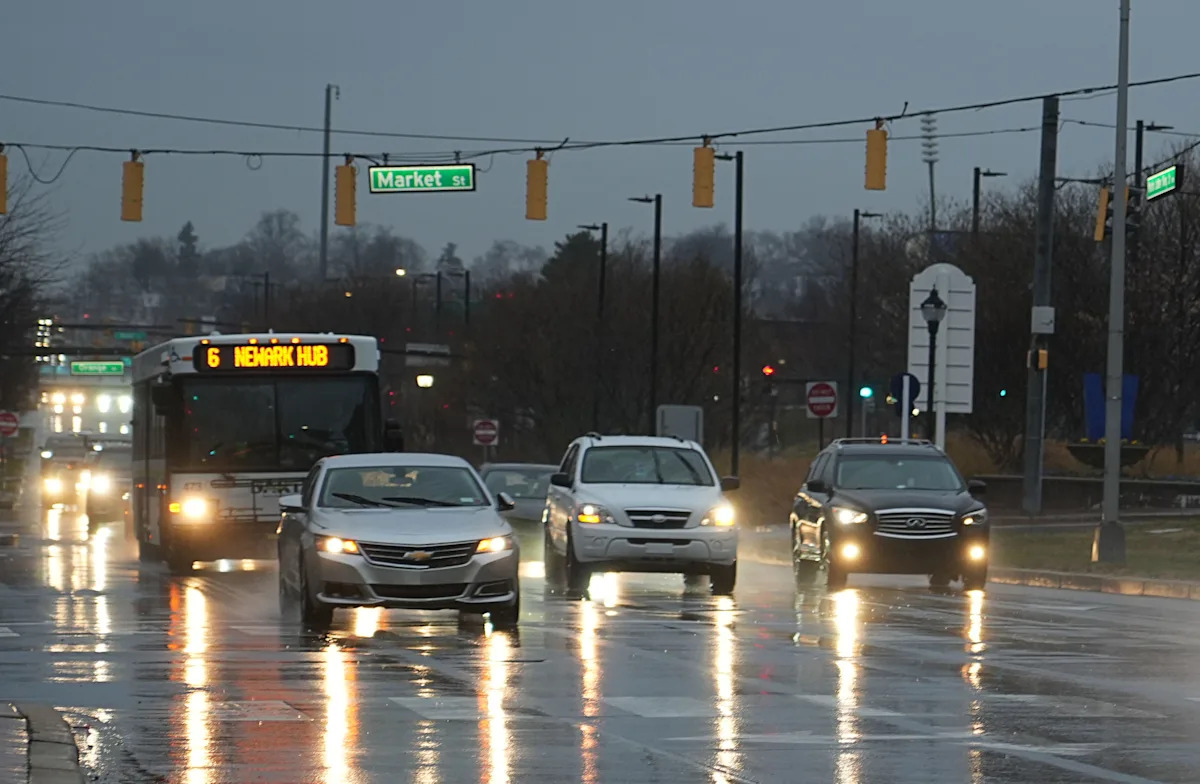
A Case Study in Resilience: Multi-Hazard Event Challenges Mid-Atlantic Infrastructure
A severe weather system that swept through Delaware and the greater Philadelphia region triggered a series of warnings and advisories, offering a critical case study in regional infrastructure and operational resilience. The event, characterized by a squall line developing ahead of a cold front, presented a complex, multi-hazard threat, bringing damaging wind gusts of up to 50 mph, potential for localized flash flooding, and a rapid, significant temperature drop. While the National Weather Service ultimately canceled the tornado watch for Delaware, the operational response to the lingering threats—high winds and flood potential—highlighted significant economic and logistical disruptions inherent in managing severe weather in densely populated corridors.
This event required a swift transition in risk management from a high-impact, short-duration threat (tornado) to a longer-duration, moderate-impact threat (high winds and flooding). This shift necessitates complex resource reallocation for emergency services, utility providers, and businesses, impacting continuity planning across multiple sectors simultaneously.
Infrastructure Vulnerability and Capital Expenditure Justification
The primary operational challenge posed by the storm system was the vulnerability of critical infrastructure, particularly the utility grid, to high winds and potential flooding. The threat of downed trees and power lines represents a significant risk to grid stability, especially in a region where power distribution relies heavily on overhead lines. The near-miss nature of the event provides critical data points for utility providers facing ongoing pressure to enhance grid resilience against increasingly volatile weather patterns.
Capital expenditure for grid hardening—including undergrounding power lines, implementing advanced vegetation management programs, and deploying smart grid technologies—is substantial. Near-miss events like the one documented in Delaware serve as justification for these investments, allowing utilities to assess the effectiveness of current infrastructure protection measures and refine long-term capital planning. The additional risk of localized flash flooding, which can compromise substations and other critical electrical components, reinforces the necessity of integrated risk modeling that accounts for both wind and water-related hazards.
Supply Chain Disruption and Logistical Risk Assessment
The severe weather event directly impacted regional logistics and supply chain operations, especially along major transportation corridors like Interstate 95. The I-95 corridor is vital for freight movement between major metropolitan areas, making disruptions here potentially catastrophic for the national supply chain. Logistics operators must make real-time decisions regarding route adjustments, driver safety, and delivery schedules based on weather advisories.
The peak threat period, coinciding with evening rush hour and critical delivery windows for retail and manufacturing sectors, forces a temporary cessation of operations for safety, leading to delays and increased operational costs. The added complexity of a multi-hazard scenario—with the rapid transition from flood risk to potential de-icing operations due to rapid temperature drops—highlights the challenge of resource allocation for logistics companies, necessitating flexible and adaptable operational planning.
Insurance Market Implications and Financial Risk Modeling
For the insurance sector, severe weather events in high-value regions like the mid-Atlantic have significant implications for risk modeling and capital allocation. The issuance and subsequent cancellation of a tornado watch, followed by sustained wind advisories, provides valuable data for refining catastrophe models. Insurers differentiate between the high-severity, low-frequency risk of a tornado and the more common, high-frequency risk of damaging wind gusts. The cumulative cost of claims from widespread wind damage, including roof damage and tree removal, rapidly impacts underwriting profitability for regional carriers.
Furthermore, localized flash flooding introduces a separate set of insurance considerations, particularly regarding flood insurance coverage, which is often distinct from standard property policies. The near-miss nature of the event helps inform risk assessment for future capital deployment in catastrophe bonds and reinsurance contracts, where investors evaluate the probability and potential severity of such events in specific geographic zones. This reinforces the need for integrated risk assessment that combines wind, flood, and business interruption exposures.
Strategic Planning and Long-Term Development Implications
The documented severe weather event underscores long-term strategic implications for regional development and infrastructure planning in Delaware and surrounding areas. As weather patterns become more volatile, investment decisions for new construction, infrastructure projects, and commercial development must increasingly incorporate climate risk modeling. The cost of building resilience into new projects—such as elevated infrastructure or enhanced building codes—is becoming a critical factor in long-term economic viability.
For businesses considering relocation or expansion in the region, the frequency and severity of weather events influence operational risk assessments. The potential for business interruption from power outages or supply chain disruptions can impact decisions on facility location and redundancy planning. The event serves as a reminder that operational resilience is a key competitive factor for businesses operating in regions exposed to increasing weather volatility. Proactive investment in energy storage solutions and diversified power generation sources is essential to mitigate these risks and ensure long-term stability for the regional economy.