Strategic Foundations of the 2026/27 Campaign
Bayern Munich’s 5-1 demolition of VfB Stuttgart on August 28, 2026, serves as a comprehensive validation of the club’s structural evolution under Vincent Kompany. Building on a 2-1 German Super Cup victory against Borussia Dortmund, this Bundesliga opener transitioned from a contest of physical attrition to a demonstration of technical superiority. The result highlights a shift toward a more distributed offensive model, mitigating the historical reliance on isolated finishing roles.
Tactical Fluidity and Game Control
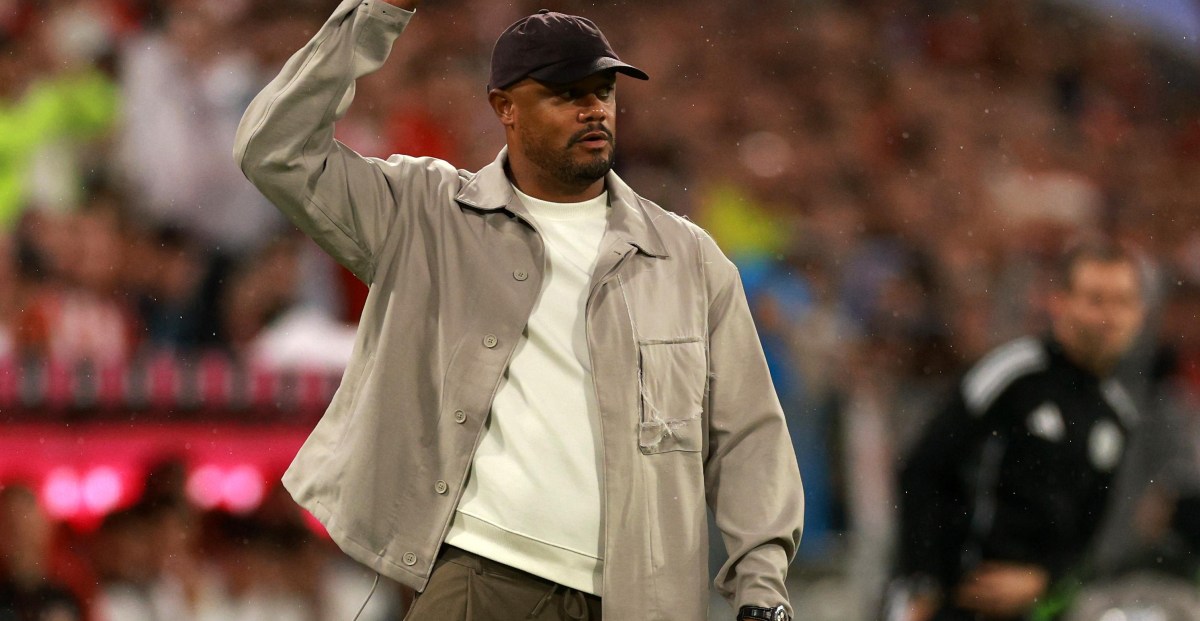
Vincent Kompany’s tactical framework prioritized composure over immediate verticality. Despite an aggressive Stuttgart press that disrupted initial build-up phases, Bayern maintained a low-risk possession structure until gaps emerged in the visitors’ mid-block. This strategic patience allowed the Bavarians to capitalize on Stuttgart’s eventual physical fatigue, transforming a contested start into a dominant 5-1 margin through cumulative pressure and high-probability chance creation.
Personnel Integration and Recruitment ROI
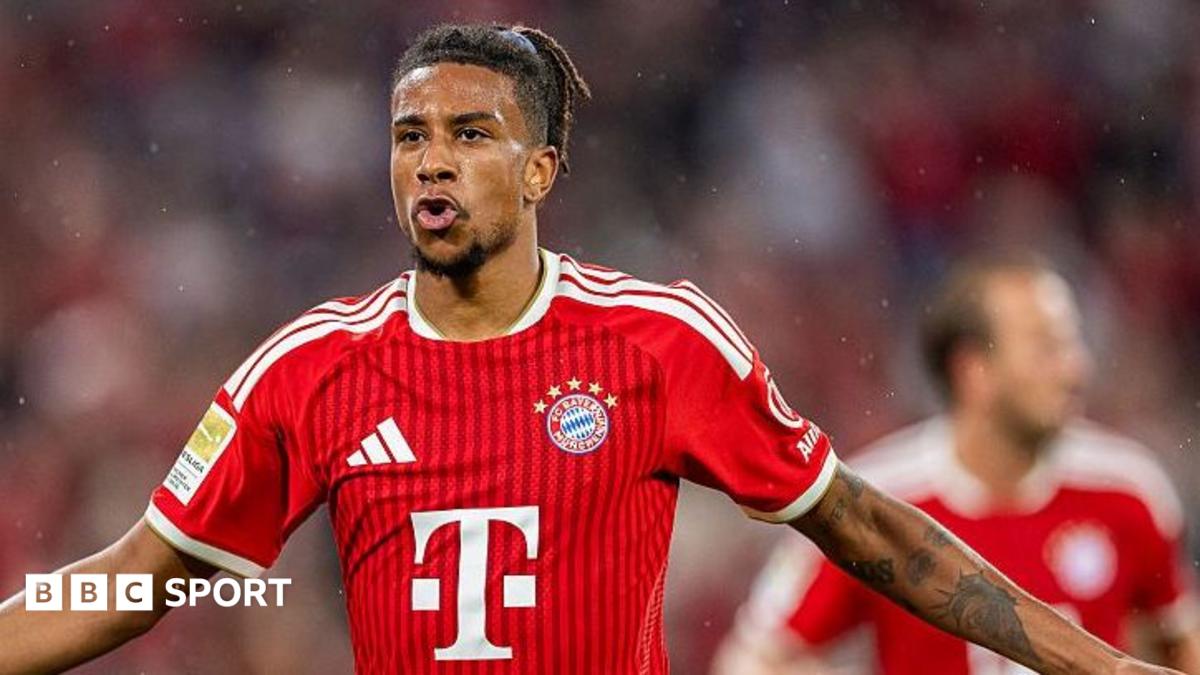
The debut of Ismael Saibari—the £43m acquisition from PSV Eindhoven—provided immediate evidence of a successful recruitment strategy. His stoppage-time assist for Luis Diaz underscored a seamless integration into Kompany’s system. Furthermore, the depth afforded by Diaz and Michael Olise illustrates Bayern’s enhanced operational flexibility; the ability to sustain offensive output when primary targets like Harry Kane are neutralized remains a critical asset for the multi-front campaign ahead.
Set-Piece Efficiency and Defensive Utility
Dayot Upamecano’s opening goal, facilitated by a precision Joshua Kimmich corner, reinforces the value of set-pieces as a release valve against low-block defenses. Kimmich’s role as a tempo-dictating pivot and primary creator remains central to Bayern’s identity. The goal also highlighted the offensive utility of the defensive line, where the vertical threat of center-backs forces opponents to compromise their structural integrity during dead-ball situations.
Turning Points: VAR and Individual Errors
The match hinged on key inflection points, specifically Josha Vagnoman’s own goal following an equalizer. This error, forced by the overlapping pressure of Alphonso Davies, shifted momentum back to the home side. Even a VAR-disallowed goal for Olise failed to dampen Bayern’s intensity; the subsequent strike by Aleksandar Pavlovic demonstrated a level of psychological resilience that is becoming a hallmark of the Kompany era.
Institutional Implications
By dismantling a robust Stuttgart side, Bayern has re-established the domestic benchmark. The distribution of goals across five different scorers—Upamecano, Olise, Pavlovic, Diaz, and an OG—presents a scouting challenge for future opponents. As the season progresses, the focus shifts to whether this blend of technical precision and squad depth can be replicated against elite European opposition, though the current blueprint suggests a formidable trajectory.