Thunder’s Sustained Elite Performance Establishes High Bar
The Oklahoma City Thunder’s current playoff run signifies a remarkable period of sustained high performance, underscored by back-to-back seasons achieving elite net ratings. This statistical benchmark positions them among historical benchmarks like the 1990s Chicago Bulls and mid-2010s Golden State Warriors, franchises synonymous with sustained greatness.
This consistent excellence points to a deeply integrated organizational strategy encompassing player development, coaching continuity, and roster construction optimized for long-term competitive advantage. The Thunder’s ability to maintain this elevated performance level across multiple seasons demonstrates a robust framework for talent identification, nurturing, and adaptability within the league’s evolving landscape.
Competitive Ramifications of OKC’s Dominance
The Thunder’s sustained elite performance carries significant competitive implications across the league, particularly for championship contenders. Their consistent top-tier net ratings denote a formidable opponent capable of not only winning but dominating contests, signaling a depth of talent and strategic execution that is exceptionally difficult to counter.
This level of dominance compels rival franchises to reassess their strategic paradigms, potentially accelerating investments in scouting, analytics, and player acquisition to close the performance gap. Oklahoma City’s model of sustained success serves as a crucial benchmark for organizational progress and improvement identification.
Lakers’ Resilience and LeBron James’s Historic Milestone
The Los Angeles Lakers have showcased significant resilience throughout their playoff journey, overcoming adversity to reach the Western Conference Semifinals. Their series victory against the Houston Rockets, despite potential roster limitations, highlights the team’s capacity for clutch performances and seasoned leadership.
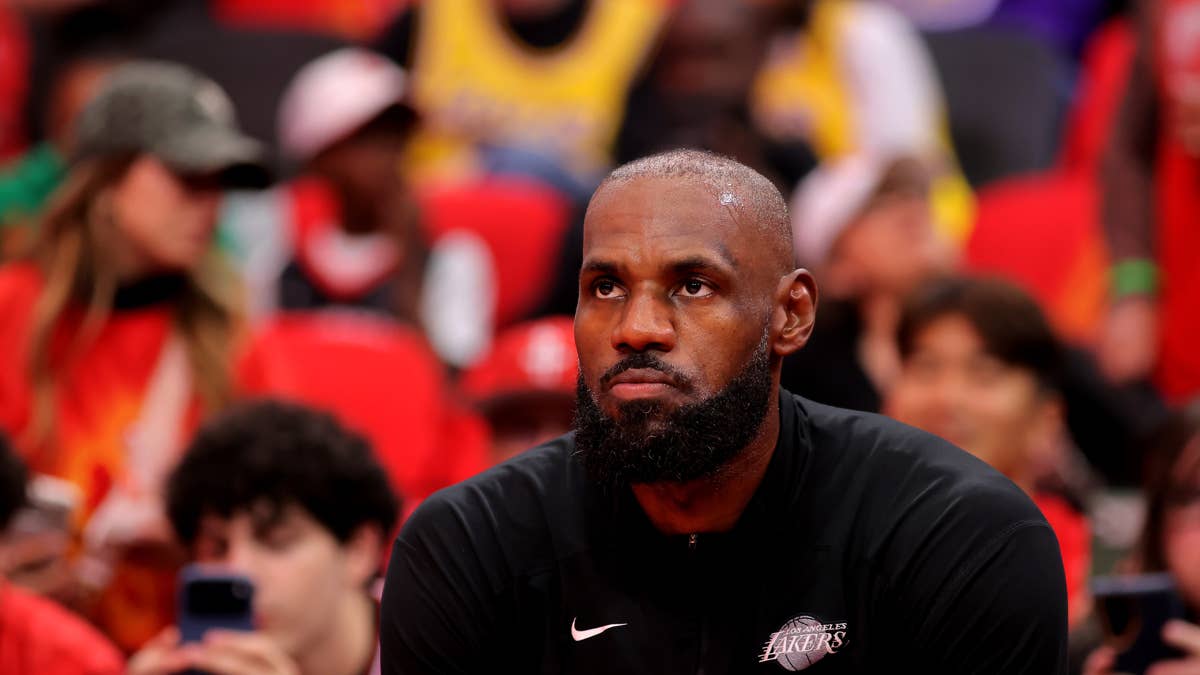
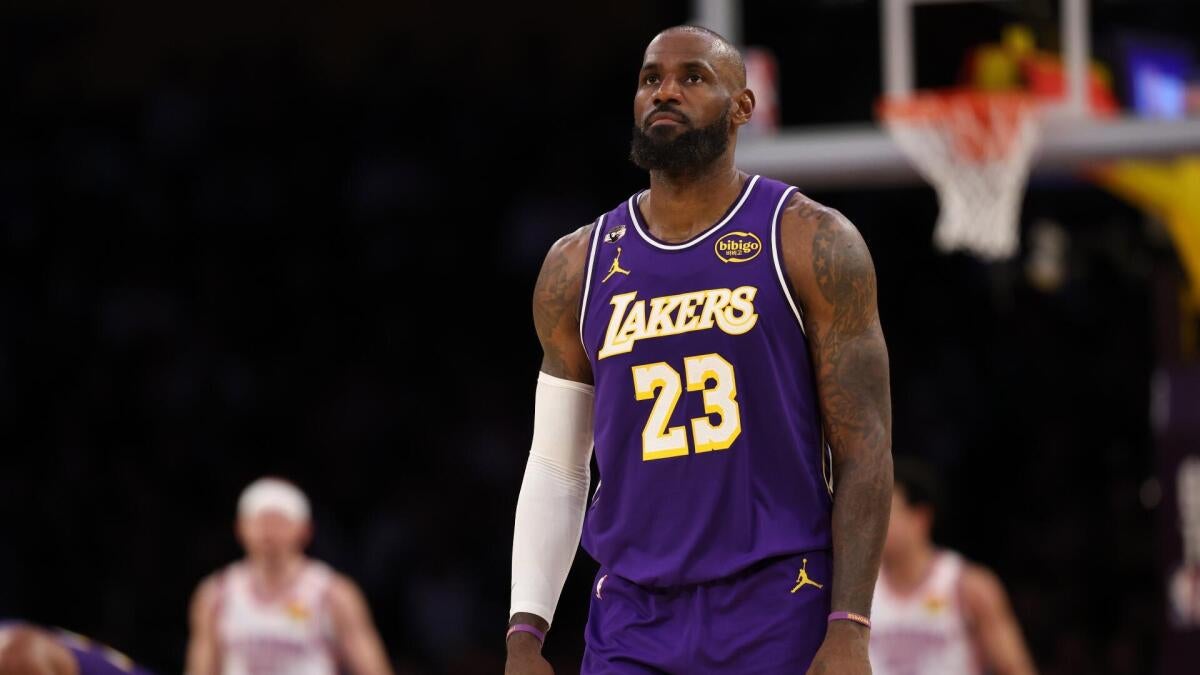
LeBron James is on the verge of a historic milestone in Game 1 against the Thunder, marking a significant individual achievement that emphasizes his enduring impact on basketball. His consistent statistical output in the opening round—averaging 23.2 points, 8.3 assists, and 7.2 rebounds—underscores his continued ability to significantly influence games at an elite level, even late in his career.
Strategic Leverage in a High-Stakes Matchup
The upcoming series presents a compelling strategic dichotomy: Oklahoma City’s established dominance versus Los Angeles’s playoff acumen and star power. The Lakers’ demonstrated ability to navigate the postseason, even with potential roster constraints, provides a psychological edge and a proven track record of performing under pressure.
For the Lakers, the strategic imperative centers on leveraging LeBron James’s historical performance and the team’s playoff pedigree to disrupt the Thunder’s established rhythm. This entails optimizing possessions, controlling game tempo, and exploiting any discernible vulnerabilities in the Thunder’s high-octane offensive and defensive schemes.
Impact of Key Player Absences
The confirmed absence of key players like Lakers guard Luka Doncic and Thunder forward Jalen Williams for Game 1 introduces a critical layer of strategic complexity. These absences directly impact team rotations, offensive playmaking responsibilities, and defensive assignments, necessitating immediate tactical adjustments from both coaching staffs.
For the Lakers, Doncic’s absence elevates the offensive burden on other playmakers, potentially increasing reliance on LeBron James and other perimeter threats. Conversely, the Thunder must adapt to competing without Williams, a vital contributor to their offensive fluidity and defensive versatility, requiring other players to assume expanded roles.
Betting Market Dynamics and Predictive Modeling
The betting market clearly anticipates Thunder dominance in Game 1, with Oklahoma City established as a significant 15.5-point favorite. This substantial spread reflects the market’s perception of a considerable performance differential, heavily influenced by the Thunder’s regular-season success and prior playoff sweep.
The over/under for total points is set at 213.5, indicating an expectation of a moderately paced game favoring efficient scoring from both sides. Betting platforms like FanDuel Sportsbook are integral to these market dynamics, aggregating data and establishing lines that reflect perceived probabilities and public betting trends.
The Role of SportsLine’s Projection Model
SportsLine’s Projection Model, which simulates every NBA game 10,000 times, offers a data-driven perspective designed to provide an analytical edge in predicting game outcomes and identifying betting opportunities. Its documented success in generating significant profit for bettors highlights the model’s analytical rigor and its effectiveness in identifying market value.
The model’s predictions for the Lakers-Thunder matchup will be essential for bettors seeking to navigate the considerable point spread and over/under. Its simulations likely incorporate a comprehensive array of factors, including team statistics, player matchups, injury impacts, and historical performance trends, to generate its probabilistic forecasts.
Capital Movement and Market Sentiment
The substantial point spread and associated betting volume represent significant capital movement within the sports betting ecosystem. High-profile playoff games featuring strong favorites often attract considerable betting action, with substantial financial stakes involved.
Market sentiment, as indicated by betting lines, suggests a strong conviction in the Thunder’s ability to cover the spread and secure a decisive victory. This sentiment is often shaped by a confluence of objective performance data, prevailing media narratives, and the collective assessment of betting syndicates and individual handicappers.
Institutional Context and League Dynamics
The NBA playoffs serve as a critical period for franchise valuation, media rights monetization, and league-wide engagement, with each series contributing to the sport’s overall narrative and economic vitality. The performance trajectories of teams like the Thunder and Lakers directly influence viewership, advertising revenue, and the perceived prestige of the league.
Oklahoma City’s sustained success positions them as a potential dynasty, attracting substantial media attention and fervent fan engagement. Conversely, the Lakers, with their storied history and global brand recognition, consistently generate significant interest, irrespective of their regular-season seeding.
Strategic Positioning in a Competitive Landscape
The strategic positioning of both franchises is profoundly influenced by their current playoff trajectories and long-term organizational objectives. The Thunder are optimally positioned to leverage their current roster’s peak performance, aiming to secure a championship and solidify their status as a modern NBA powerhouse.
The Lakers, under the continued leadership of LeBron James, are focused on maximizing their championship window while simultaneously managing future roster considerations. Their sustained competitiveness highlights the strategic importance of veteran presence and adaptability in maintaining relevance within a highly competitive league.
Performance Leverage and Stakeholder Impact
The performance leverage in this series is considerable, with the outcome having direct implications for player legacies, coaching careers, and franchise trajectories. For the Thunder, a deep playoff run validates their organizational philosophy and enhances their appeal to free agents and corporate sponsors.
For the Lakers, continued playoff success under LeBron James reinforces their brand value and marketability; conversely, any significant setbacks could intensify scrutiny on roster management and future strategic planning. Stakeholders, including ownership groups, players, coaches, and fans, are all deeply invested in the outcome, with substantial financial and emotional capital at stake.
Media Exposure and Narrative Construction
The media narrative surrounding this series will be shaped by the contrasting storylines of the Thunder’s ascendant dominance and the Lakers’ enduring legacy embodied by LeBron James. This dynamic creates a fertile environment for extensive media coverage, in-depth analysis, and widespread fan discussion across multiple platforms.
The presence of a generational talent like James, coupled with a team exhibiting historically strong performance metrics, guarantees significant media exposure. This exposure not only drives viewership and engagement but also shapes public perception and contributes to the broader cultural impact of the NBA season.
Capital Investment and Future Outlook
The capital investment in both franchises is substantial, encompassing player salaries, infrastructure development, and marketing initiatives. The success or failure in the playoffs directly impacts the return on these investments and informs future capital allocation decisions.
For the Thunder, sustained playoff success could lead to increased investment in player retention and facility upgrades, further solidifying their position as a top-tier franchise. The Lakers’ strategic decisions regarding player contracts and roster evolution will be critical in determining their long-term competitiveness and ability to attract future capital.
Operational Efficiency and Strategic Adaptability
The operational efficiency of both the Thunder and the Lakers will be under intense scrutiny throughout the series. This includes the effectiveness of their coaching staffs in executing game plans, managing player minutes, and making crucial in-game adjustments.
Strategic adaptability will be paramount, particularly given the potential impact of player absences. Teams demonstrating the ability to effectively adjust tactics and personnel in response to unforeseen circumstances are more likely to gain a competitive advantage and navigate the pressures inherent in a best-of-seven series.
Downstream Effects on League Positioning
The outcome of this series will exert significant downstream effects on the league positioning of both franchises and the broader Western Conference landscape. A Thunder victory would further cement their status as the team to beat, potentially reshaping the perceived hierarchy of NBA contenders.
Conversely, a Lakers upset, while perhaps less statistically probable given market expectations, would underscore their resilience and the continued potency of their veteran core, potentially generating a ripple effect of doubt for teams that underperformed against them.
Incentives for Performance Leverage
The incentives for optimal performance are exceptionally high for all involved parties. Players are motivated by individual accolades, potential contract extensions, and the pursuit of championship rings, while coaches are driven by career advancement and the validation of their strategic acumen.
Franchise executives and ownership groups are incentivized by increased revenue streams, enhanced brand value, and the long-term legacy associated with championship success. The confluence of these individual and collective incentives cultivates an environment of intense competitive pressure and a drive for peak performance.
Capital Movement in Player Development and Acquisition
The sustained success of the Thunder suggests a strategic allocation of capital towards player development and astute talent acquisition. This approach enables them to build a deep roster capable of competing at the highest level without necessarily relying on the league’s highest payrolls.
The Lakers, leveraging their established star power, often employ a different capital allocation strategy, prioritizing the acquisition of proven talent and managing significant payroll commitments. The comparative effectiveness of these distinct capital deployment strategies will be a key narrative element throughout the series.
Performance Leverage in Media Rights and Sponsorships
The playoff stage represents a critical period for maximizing performance leverage in the domains of media rights and sponsorships. High-profile matchups featuring compelling narratives and star players command substantial viewership, which in turn amplifies revenue generated from broadcast agreements.
The economic incentives tied to strong playoff performances are immense, influencing decisions regarding broadcast deals, advertising placements, and corporate partnerships. Both the Lakers and the Thunder stand to gain significant economic benefits from a successful playoff run, impacting their financial stability and future growth prospects.
Stakeholder Implications of Series Outcome
The implications of the series outcome extend to a wide array of stakeholders. For players, it can define careers and influence future earning potential. For coaches, it can lead to contract extensions or career transitions.
For ownership groups, a championship run can significantly boost franchise valuation and fan engagement; conversely, a disappointing exit may prompt strategic re-evaluations. The media landscape will also be shaped by the series’ narrative, influencing fan interest and advertising revenue for sports broadcasters.
Competitive Landscape and Future League Dynamics
The ongoing success of the Oklahoma City Thunder signals a potential paradigm shift in the NBA’s competitive landscape, challenging established hierarchies and demonstrating the viability of a long-term, development-focused strategy. Their sustained elite performance suggests that consistent organizational commitment can achieve enduring excellence.
The Lakers, with their historical significance and continued playoff presence, represent a constant factor in the league’s dynamic. Their sustained competitiveness, even amidst the rise of younger teams, underscores the enduring appeal of star power and experienced leadership in driving franchise success.
Capital Movement and Franchise Valuation
The capital movement associated with NBA franchises is significantly influenced by playoff success. Teams that consistently perform well in the postseason often experience increased valuations, attracting further investment and enhancing their market appeal.
The Thunder’s consistent high-level performance, coupled with their potential for a deep playoff run, likely contributes to a rising franchise valuation. Similarly, the Lakers’ enduring brand power and consistent playoff appearances maintain their status as one of the league’s most valuable entities, irrespective of immediate on-court results.
Operational Leverage and Strategic Advantage
Operational leverage is a critical factor in the NBA playoffs, where teams must execute flawlessly under immense pressure. The Thunder’s demonstrated consistency suggests a high degree of operational leverage, enabling them to perform at a peak level game after game.
The Lakers’ strategic advantage often lies in their ability to leverage veteran experience and championship pedigree, empowering them to adapt and execute in crucial moments. This synergy of operational efficiency and strategic adaptability frequently distinguishes contenders from pretenders in the postseason.
Performance Leverage and Media Rights Value
The performance leverage of teams in the NBA playoffs directly correlates with the value of media rights. High-stakes matchups featuring compelling narratives and star players command larger viewership numbers, which in turn increases the revenue generated from broadcast agreements.
The Lakers-Thunder series, with its blend of historical significance and current dominance, is poised to attract significant viewership, thereby enhancing the economic value of the NBA’s media rights. This economic feedback loop incentivizes teams to perform at their highest level to maximize their contribution to the league’s overall financial health.
Stakeholder Alignment and Franchise Goals
Stakeholder alignment is paramount for any franchise aspiring to sustained success. For the Thunder, their consistent performance suggests strong alignment among ownership, management, and the coaching staff regarding the team’s long-term vision and player development philosophy.
The Lakers, with their diverse ownership group and global brand, must effectively navigate various stakeholder interests to achieve their championship aspirations. The ability to maintain this alignment, particularly during the intense pressure of the playoffs, is a testament to effective franchise management.
Competitive Dynamics and Future League Structure
The competitive dynamics at play in this series carry broader implications for the future structure of the NBA. The rise of teams like the Thunder, built on a foundation of consistent development and strategic asset management, offers a compelling alternative model to traditional free-agent acquisition strategies.
This evolving competitive landscape compels all franchises to continually assess and refine their strategies to remain relevant and successful in an increasingly dynamic league. The outcome of such high-profile matchups can influence team-building approaches and strategic decision-making across the league for years to come.