Organizational Paradigms and Elimination Asymmetry
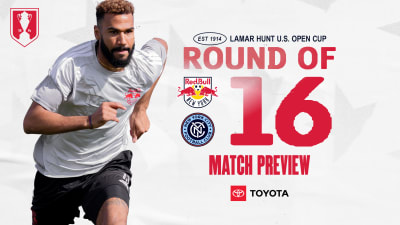
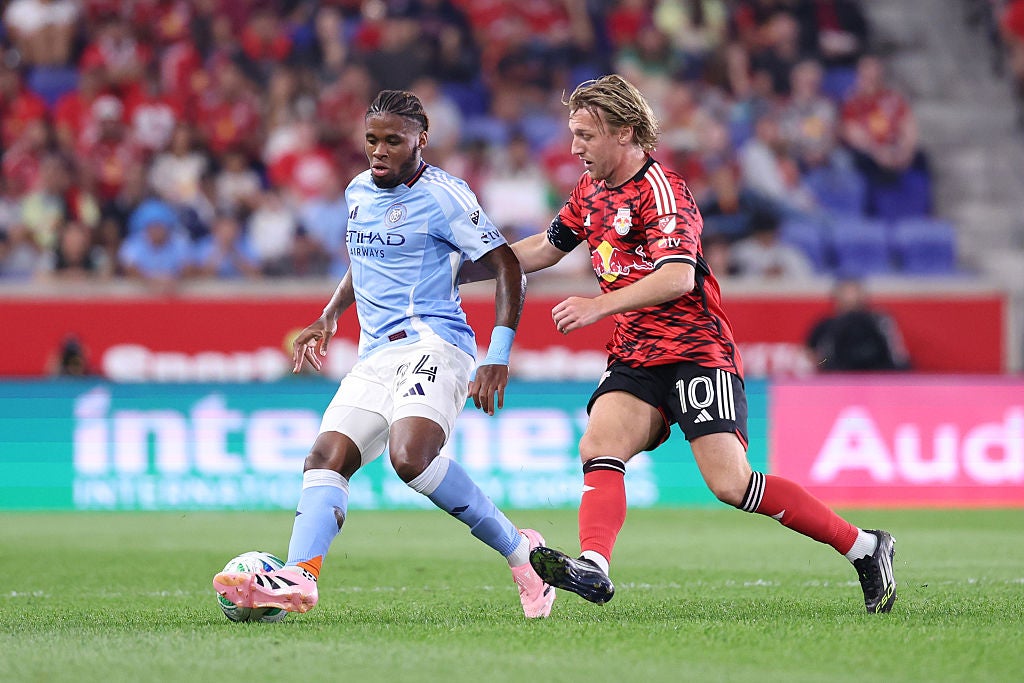
The 33rd installment of the Hudson River Derby in the 2026 Lamar Hunt U.S. Open Cup Round of 16 serves as a critical case study in divergent sporting philosophies. While Red Bull New York (RBNY) holds a 16-12-4 all-time series lead, the analytical focal point is their absolute hegemony in knockout scenarios. RBNY maintains a flawless 5-0-0 record in elimination matches against New York City FC (NYCFC), underscored by a staggering 11-0 aggregate scoreline. This deficit highlights a systemic failure in NYCFC’s tactical adaptation when league-table safety nets are removed.
This historical lopsidedness suggests that NYCFC’s veteran-heavy roster construction struggles against the high-intensity, high-variance environment of tournament play. RBNY’s ability to maintain a clean sheet across all five previous elimination encounters indicates a defensive structure specifically optimized for neutralizing NYCFC’s possession-based buildup under pressure.
Geospatial Advantages and Venue Metrics
The selection of Sports Illustrated Stadium as the fixture site reinforces a significant environmental leverage point. RBNY’s 3-0-0 U.S. Open Cup record against their rivals has been established exclusively at this venue. The pitch dimensions and localized atmosphere appear to augment RBNY’s pressing efficiency, effectively suffocating NYCFC’s offensive transition. For RBNY, this venue is more than a home field; it is a strategic asset that allows for optimized recovery protocols and the maintenance of high-intensity training cycles during congested mid-week windows.
The Economics of Scouting: Youth vs. Experience
The 2026 season highlights a stark contrast in human capital management. NYCFC has prioritized veteran stability and defensive discipline, positioning themselves as a postseason specialist. However, the recurring 11-0 aggregate deficit suggests that this ‘experience’ often manifests as stagnation against aggressive pressing. Conversely, RBNY’s ‘greenhorn’ strategy—integrating high-ceiling teenagers into the first-team core—utilizes a high-risk, high-reward model that prioritizes physical mobility and tactical flexibility.
Beyond the pitch, RBNY’s reliance on youth is a calculated financial maneuver. By outperforming established veterans in high-stakes derbies, the organization inflates the market valuation of its academy prospects, facilitating a sustainable cycle of capital gains through international transfers. A loss for NYCFC’s veteran squad would conversely trigger a necessary audit of their investment in aging assets that fail to deliver in knockout environments.
Media Integration and Commercial Valuation
The broadcast placement on CBS Sports Network and Paramount+ underscores the commercial gravity of this ‘extra’ derby. By capitalizing on the tournament’s blind draw, media partners and sponsors like Toyota and Sports Illustrated are leveraging the high viewership floor of this regional rivalry. This digital-first distribution strategy ensures brand saturation across fragmented demographics, utilizing the tribalism of the New York market to drive engagement outside the standard MLS season structure.
Tactical Trajectory and Stakeholder Implications
The tactical backdrop includes RBNY’s recent victory over the Pittsburgh Riverhounds, which demonstrated their proficiency in dismantling low-block defenses. While NYCFC enters following a 5-2 win over Westchester, the jump in opposition quality is exponential. NYCFC’s back-line must solve the ‘press-trap’ that has historically kept them scoreless in five elimination games.
The stakes extend to the front offices. For RBNY, victory reinforces their developmental hegemony. For NYCFC, a sixth consecutive shutout elimination would likely necessitate a structural overhaul of their technical staff and roster philosophy. The winner secures more than advancement; they claim the psychological and cultural capital required to dominate the New York soccer ecosystem for the remainder of the 2026 cycle.