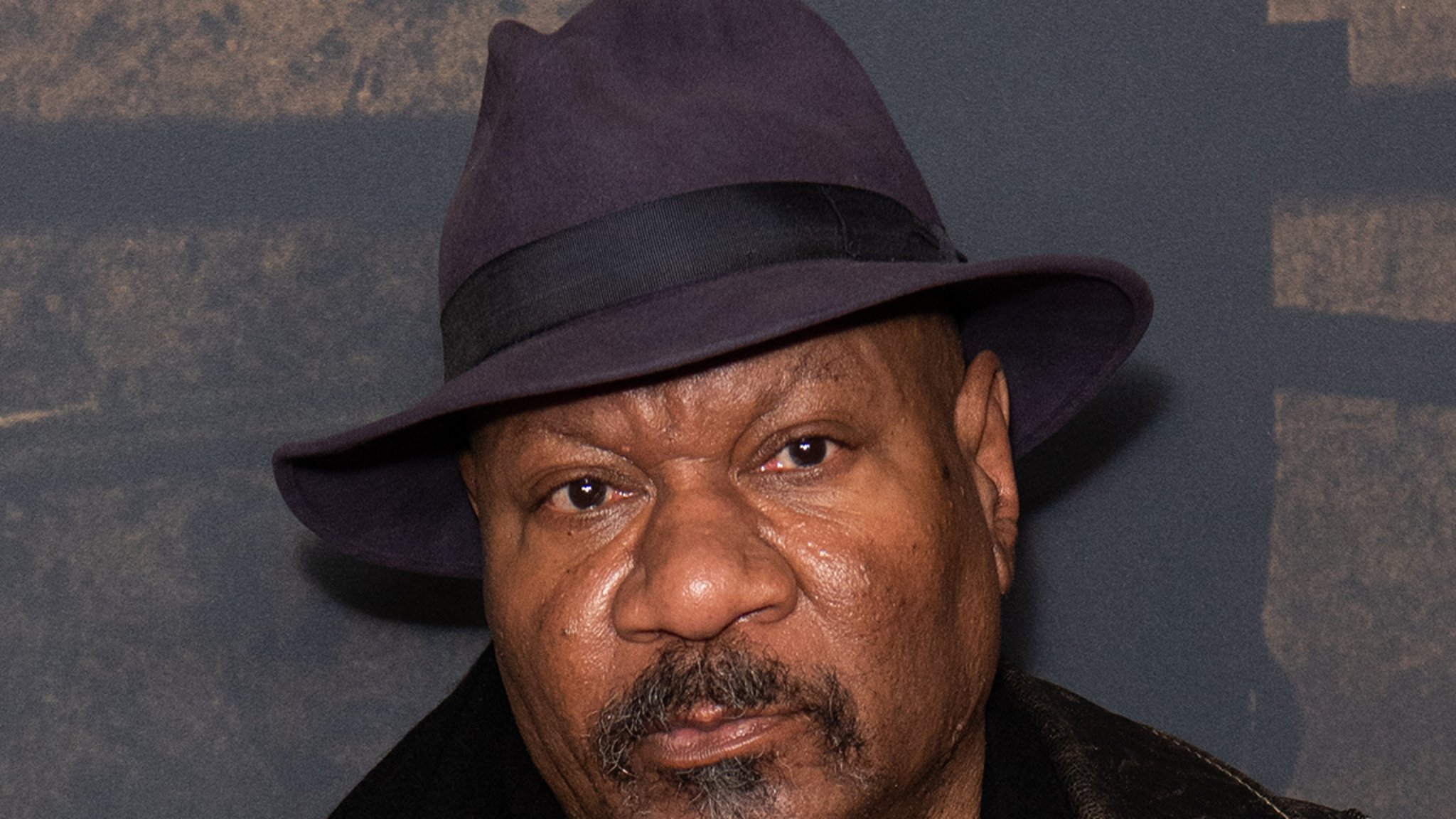
Ving Rhames Incident: A Case Study in Franchise Risk Management
The recent medical incident involving actor Ving Rhames, who collapsed at a Los Angeles restaurant, quickly exposed vulnerabilities inherent in major film franchises dependent on high-value talent. While a representative attributed the event to overheating and assured a full recovery, the incident highlights a critical point of failure in the operational logistics of multi-billion dollar productions: the health and availability of core cast members.
Rhames, at 66, occupies a foundational role in the “Mission: Impossible” series, having appeared in every installment alongside star Tom Cruise. This makes him an indispensable asset for maintaining brand continuity. A health issue, even minor, for an actor of this caliber immediately triggers assessments of operational risk, potentially impacting complex production schedules, insurance premiums, and strategic planning for future installments.
The Financial and Operational Impact of Talent Risk
For large-scale film productions, production schedules are meticulously constructed around the availability of key talent. A sudden health event for a central actor can necessitate a full halt to operations, leading to substantial cost overruns, delays in the release window, and logistical nightmares involving hundreds of crew members and specialized equipment.
The financial exposure associated with these delays is mitigated through production insurance and completion bonds. These instruments are vital for protecting investor and studio capital against unforeseen circumstances. However, a health scare for a prominent actor can increase scrutiny during underwriting for future projects. This may lead to higher insurance premiums or require more stringent pre-production health assessments, effectively increasing the cost of human capital for long-running franchises.
Strategic Value and Human Capital Fragility in Legacy Sequels
Ving Rhames’ strategic value extends beyond his individual performance. As part of the core cast, his presence reinforces the franchise’s identity and provides a consistent emotional anchor for the audience. In an era dominated by legacy sequels and interconnected cinematic universes, this continuity is a primary strategic asset, allowing studios to leverage nostalgia and audience investment in established characters.
The potential loss or temporary incapacitation of a core character like Luther Stickell introduces strategic uncertainty for the studio. The incident serves as a stark reminder of the fragility of human capital in maintaining the integrity of a multi-generational narrative arc. Studios must proactively balance the audience demand for continuity with the practical realities of aging cast members, requiring strategic planning in character arcs, scheduling flexibility, and contingency plans.
Market Dynamics and Risk Perception for Established Talent
Rhames’ continued activity at 66 demonstrates the high market demand for established, experienced talent. However, a health incident changes market perception of reliability, regardless of the cause. The perceived risk associated with age influences casting decisions for physically demanding roles or long-term commitments.
To protect their investments, studios increasingly implement proactive health management protocols and comprehensive physical assessments for key talent. For actors in physically demanding roles, maintaining peak condition is not merely a personal choice but an operational necessity. The incident highlights the need for studios to continuously assess the long-term viability of their key talent assets, weighing star power against the potential cost of health-related disruptions.
Crisis Communication and Narrative Control
The immediate media reporting of the incident by outlets like TMZ, followed by the representative’s statement, illustrates a critical element of modern franchise management: crisis communication. The rapid narrative control, framing the incident as minor (overheating), aims to minimize perceived risk to the actor’s professional capacity and maintain confidence among producers, studios, and investors.
In an industry where market value is tied to perceived reliability and availability, managing public perception of health status is crucial for career longevity. This calculated effort to stabilize the narrative prevents speculation about underlying health conditions and reassures stakeholders that the actor remains a reliable professional asset, thereby mitigating reputational and financial risk.
Conclusion: Proactive Risk Assessment for Legacy Franchises
While Ving Rhames’ medical scare appears to have a positive immediate outcome, the incident provides a valuable case study in operational risk management for major film franchises. The strategic importance of key talent necessitates robust contingency planning and proactive health measures. The industry’s response to such events involves a combination of financial risk mitigation through insurance, strategic communication to manage public perception, and operational adjustments to ensure production continuity. The incident underscores the complex relationship between human capital, financial investment, and strategic planning in the modern entertainment landscape of entertainment.