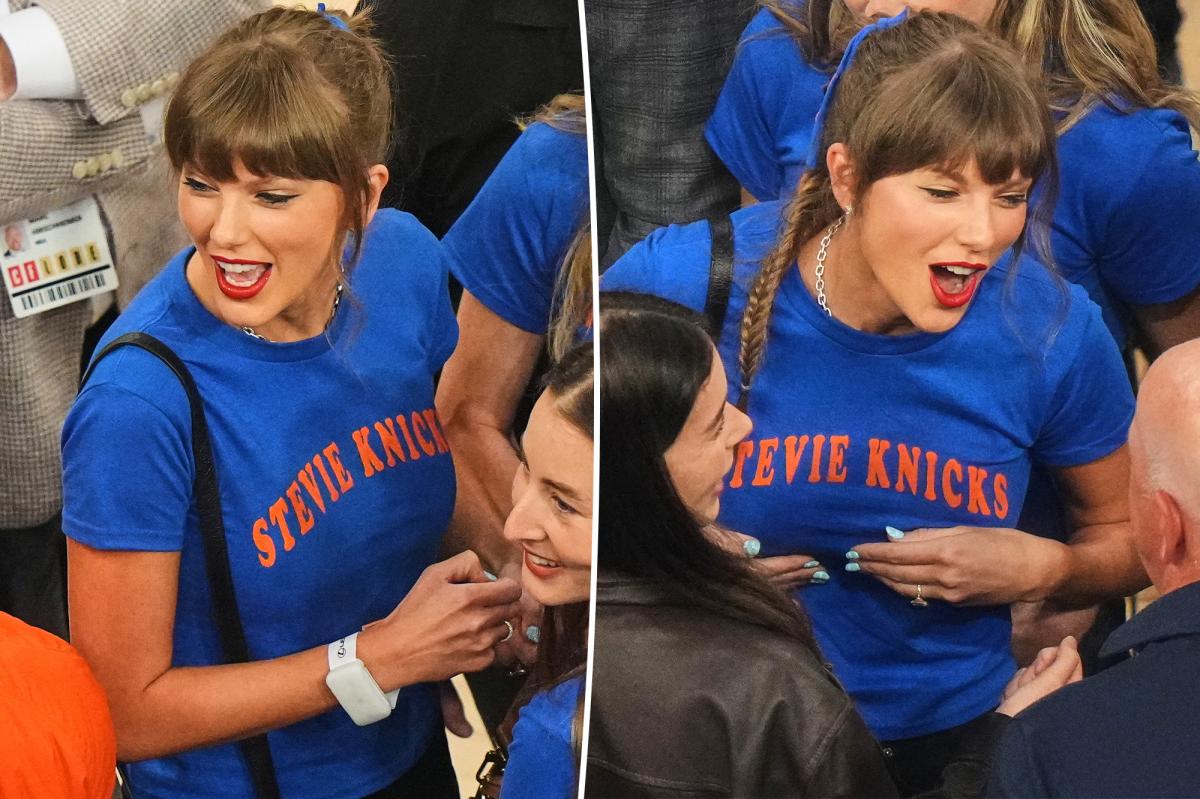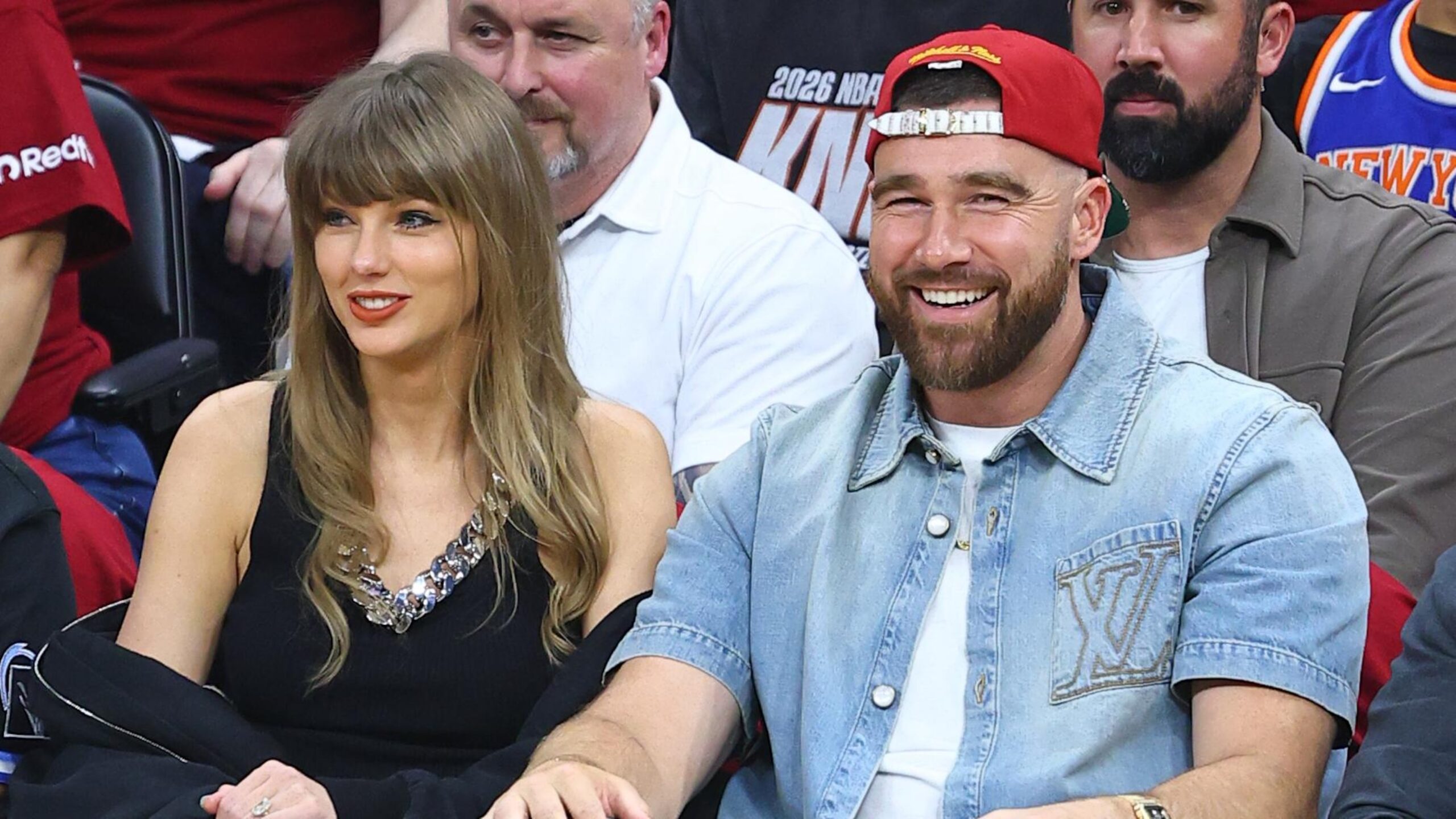
Game 4 of the 2026 NBA Finals at Madison Square Garden (MSG) represents more than a championship pivot point; it is a case study in the financialization of celebrity proximity. With the New York Knicks leading the San Antonio Spurs 2-1, the presence of Taylor Swift and her entourage catalyzed a convergence of athletic narrative, localized marketing, and institutional friction.
Monetizing the ‘Swift Effect’
The economic impact of high-profile attendance has shifted from passive viewership to the creation of ‘experiential assets.’ Following the precedent set by the platform The Realest—which recently auctioned a seat occupied by Swift during the Eastern Conference Finals—franchises are now viewing ‘Celebrity Row’ as a renewable revenue stream. For MSG, this commodification of physical space reinforces its structural leverage in media rights negotiations and corporate sponsorship valuation.
Swift’s strategic use of pun-based attire, including a ‘Stevie Knicks’ tribute, demonstrates a sophisticated deployment of localized brand synergy. This approach bridges music history with current sporting narratives, effectively domesticating a global superstar within a specific local subculture.
Institutional Risk and Political Friction
The atmosphere surrounding Game 4 was complicated by the residual fallout from Game 3, where the presence of Donald Trump triggered a public dispute regarding brand safety and athlete focus. High-profile commentary from figures like Stephen A. Smith questioned whether political spectacles serve as a home-court liability. The subsequent digital exchange on Truth Social—where Trump critiqued Smith’s intellectual standing—highlights the difficulty of maintaining a neutral entertainment environment in a polarized market.
This friction forces the NBA to navigate a complex ‘brand safety’ minefield. While these controversies drive massive viewership spikes, they simultaneously introduce institutional instability that league administrators must manage to protect the integrity of the competitive product.
Tactical Branding and Demographic Expansion
The coordinated aesthetics of Swift’s party, featuring Alana and Este Haim in ‘Knickleback’ and ‘Knickole Kidman’ apparel, signify a calculated group branding effort. By juxtaposing high-fashion luxury (Dior, Versace) with accessible, viral-ready graphic tees, the group maintained a ‘high-low’ fashion strategy that appeals to diverse socio-economic demographics. This alignment leverages the Knicks’ cultural momentum to capture younger, female-skewing audiences—a demographic pivot the NBA has actively sought.
Operational Mastery at Madison Square Garden
MSG’s ability to execute multi-layered programming—integrating the Finals with legacy hip-hop performances and high-net-worth security logistics—reaffirms its status as a premier global venue. Despite the logistical absence of Travis Kelce due to scheduling constraints, the ‘Swift-Kelce’ cross-sport synergy remains a potent marketing catalyst, altering the traditional viewership makeup of the Finals.
Ultimately, the 2026 Finals will be remembered as a definitive moment where the basketball court became a secondary theater to a broader complex of celebrity capital and political theater. The ability of the Knicks to insulate their performance from these external pressures will determine if they can convert this cultural attention into a championship victory.