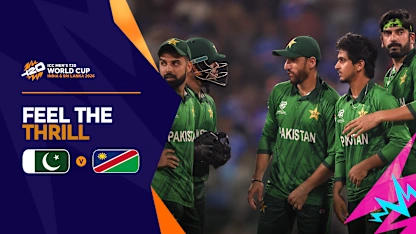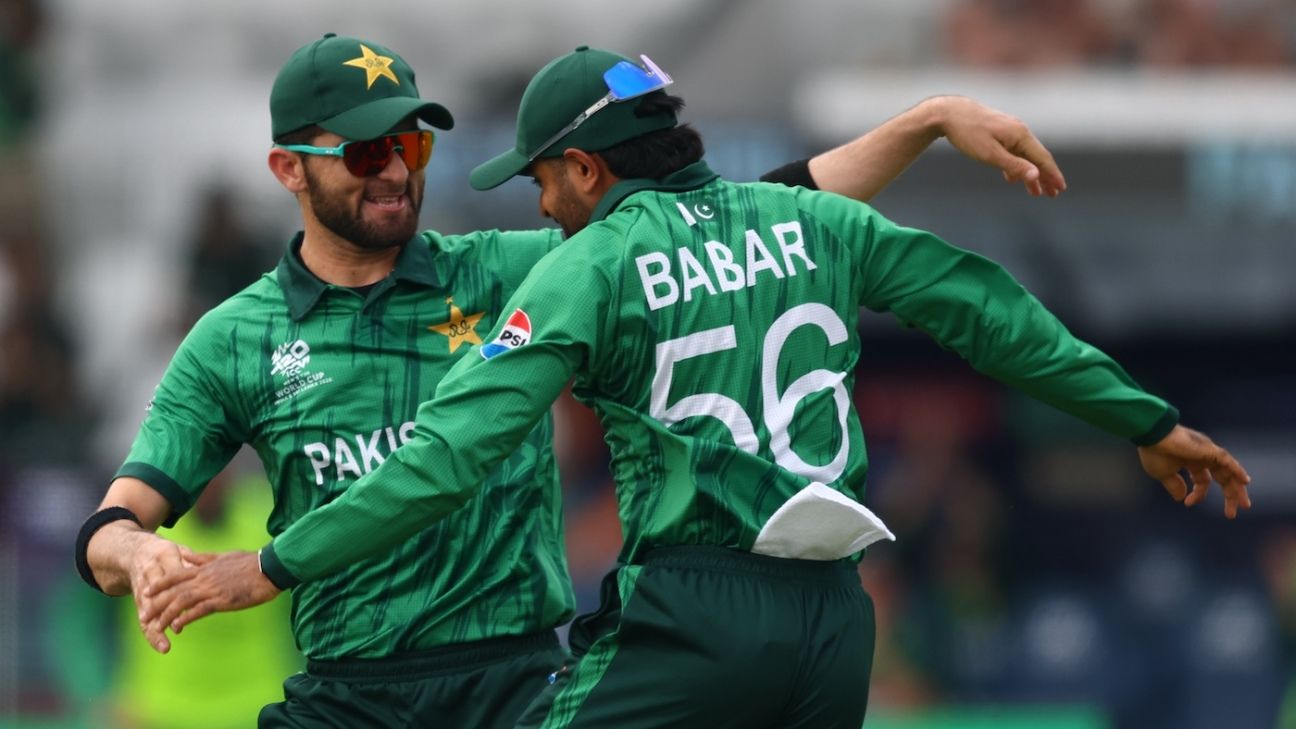
The structural viability of Pakistan’s ICC Men’s T20 World Cup 2026 campaign is entirely predicated on defeating Namibia in their final Group A fixture. Captain Salman Agha’s decision to bat first was made under the duress of a non-negotiable scenario: failure to secure two points, or a weather abandonment, guarantees elimination and marks the second consecutive tournament cycle ending at the group stage.
Strategic Recalibration: Personnel Over Performance Baseline
The selection adjustments for this decisive contest reflect an immediate tactical pivot, moving away from established bowling pillars—notably the benching of Shaheen Afridi and Abrar—suggesting dissatisfaction with previous performance metrics or a specific strategic mismatch projection against Namibia’s batting profile. This necessitates instant integration of Salman Mirza and Khawaja Nafay, testing squad depth and contingency planning under maximal competitive scrutiny.
This forced rotation at the qualification nexus exposes underlying fragility in team composition. The move implies a strategic prioritization of batting depth or specific spin/control bowling over raw pace aggression, a significant risk given the existential nature of the fixture.
Institutional Accountability and Performance Review Triggers
A second consecutive group stage exit automatically triggers severe institutional review within the Pakistan Cricket Board (PCB) regarding high-performance strategy, recruitment, and high-stakes execution protocols leading into the next cycle. While the captain publicly manages external pressure, the operational reality is that qualification now relies solely on mastering this singular, do-or-die match.
Namibia, mathematically eliminated, assumes the role of competitive spoiler. Their performance, driven by pride rather than progression targets, carries disproportionate weight in determining the final allocation of the Group A Super Eight slot, directly impacting the fate of the USA.
The Qualification Interdependency Cascade
Pakistan’s result is the fulcrum upon which the USA’s advancement pivots. Should Pakistan falter, the USA secures the Super Eight spot based on having completed their fixtures, illustrating a key vulnerability in multi-team tournament architecture where external results dictate internal qualification fates. This transfers significant passive leverage to the USA contingent monitoring the game.
Agha’s decision to bat first, despite the elimination threat, represents a high-stakes risk assessment. It suggests confidence in setting a formidable target or a tactical belief in specific pitch conditions, bypassing the immediate security of a chase calculation. The batting order—featuring Farhan, Ayub, Agha, Babar, and Usman Khan—must convert potential into a substantial, defensible total immediately.
Ecosystemic Impact and Commercial Valuation
The match context is embedded within the broader ICC commercial architecture, referenced via links to Warm-Ups, Official Broadcasters, and other global events (WTC, U-19, Women’s T20). Pakistan’s failure to advance diminishes the narrative appeal, broadcast rights valuation, and sponsorship activation for the tournament’s critical latter stages, placing administrative functions under immediate commercial strain.
Historically, this potential exit suggests a recurring structural failure in achieving early group-stage buffers, forcing the team into constant volatility management. The challenge transcends skill; it tests competitive psychology and leadership resilience against sustained media scrutiny.
External Variables: Weather Contingency and Net Run Rate Risk
The explicit inclusion of weather abandonment as an alternative qualification path highlights the structural dependence on meteorology. An abandonment would likely see qualification decided by standings, instantly rewarding the USA. This forces Pakistan not only to win but to achieve a performance margin minimizing any potential negative impact on Net Run Rate (NRR) calculations should weather shorten the contest.
The Namibian variable introduces competitive unpredictability. Their developmental mandate allows them to play with reduced external pressure, potentially facilitating aggressive tactics that could disrupt Pakistan’s pre-calculated game plan. Furthermore, downstream administrative consequences include impacts on ICC event seeding, bilateral scheduling leverage, and future market influence derived from consistent competitive presence in high-value tournaments.
Conclusion: Operational Imperative and Strategic Gamble
Pakistan’s immediate mandate is absolute execution on the batting front, leveraging the altered personnel to set a high performance benchmark. The strategic gamble is clear: victory via superior scoring, rather than reliance on established bowling dynamics. The next few hours of play will either validate this high-risk strategic shift or trigger the profound administrative and psychological reviews associated with a second successive group stage failure.