
Institutional Dichotomy: Full Member Hegemony vs. Associate Ascension
The fixture between Pakistan and Namibia serves as a critical lens through which to view the structural stratification of the global cricket ecosystem. This encounter pits a legacy Full Member against an elite Associate nation, highlighting the systemic tension between historical hegemony and meritocratic expansion. For the Pakistan Cricket Board (PCB), the engagement is an exercise in maintaining ranking coefficient and institutional prestige. For Cricket Namibia, it represents a high-stakes validation of their professionalization trajectory, testing the efficacy of their transition from an amateur framework to a competitive international entity.
Economic Architectures and Revenue Volatility
Financial analysis reveals a profound asymmetry in the revenue-sharing matrices governing these two nations. Pakistan’s fiscal model is anchored in high-density broadcast rights and a massive domestic consumer base, enabling a multi-tiered central contract system and sophisticated talent pipelines. Conversely, Namibia’s financial viability remains tethered to the International Cricket Council’s (ICC) performance-based grants. The commercial utility of this fixture for Namibia lies in the temporary surge of global visibility, which serves as a catalyst for securing private equity and regional sponsorships necessary to sustain their high-performance infrastructure.
Tactical Asymmetry and Analytical Innovation
The strategic preparation for this match-up reflects disparate operational philosophies. Pakistan, benefiting from an expansive scouting network, utilizes these fixtures to test bench depth and technical variations under low-risk conditions. Namibia, operating with more constrained resource pools, has pivoted toward high-density data analytics and marginal gain strategies. By focusing on unconventional field archetypes and high-efficiency tactical maneuvers, the Namibian side attempts to neutralize the raw technical superiority of their opponents, illustrating a shift toward intellectual capital as an equalizer in modern cricket.
Operational Logistics and High-Performance Standards
Executing a fixture across disparate development tiers necessitates complex administrative coordination. Pakistan’s mature operational model includes a specialized contingent of technical staff, including biomechanists and mental conditioning coaches. While leaner, Namibia’s model has undergone significant recalibration to meet international standards, adopting advanced performance tracking and rigorous conditioning protocols. The logistical reliance on neutral venues often introduces environmental variables that test the adaptive capacity of both squads, further emphasizing the gap in recovery resources and specialized support.
Governance and the Strategic Roadmap for Expansion
Ultimately, the Pakistan-Namibia encounter is a microcosm of the ICC’s broader challenge: balancing the commercial interests of high-revenue members with the systemic necessity of global growth. The governance of such interactions influences future scheduling cycles and revenue distribution models. As Namibia narrows the competitive gap, they provide the political leverage required for Associate nations to demand more equitable access to the Future Tours Programme (FTP). This dynamic transition is essential for ensuring the long-term commercial and competitive viability of international cricket as a global product.
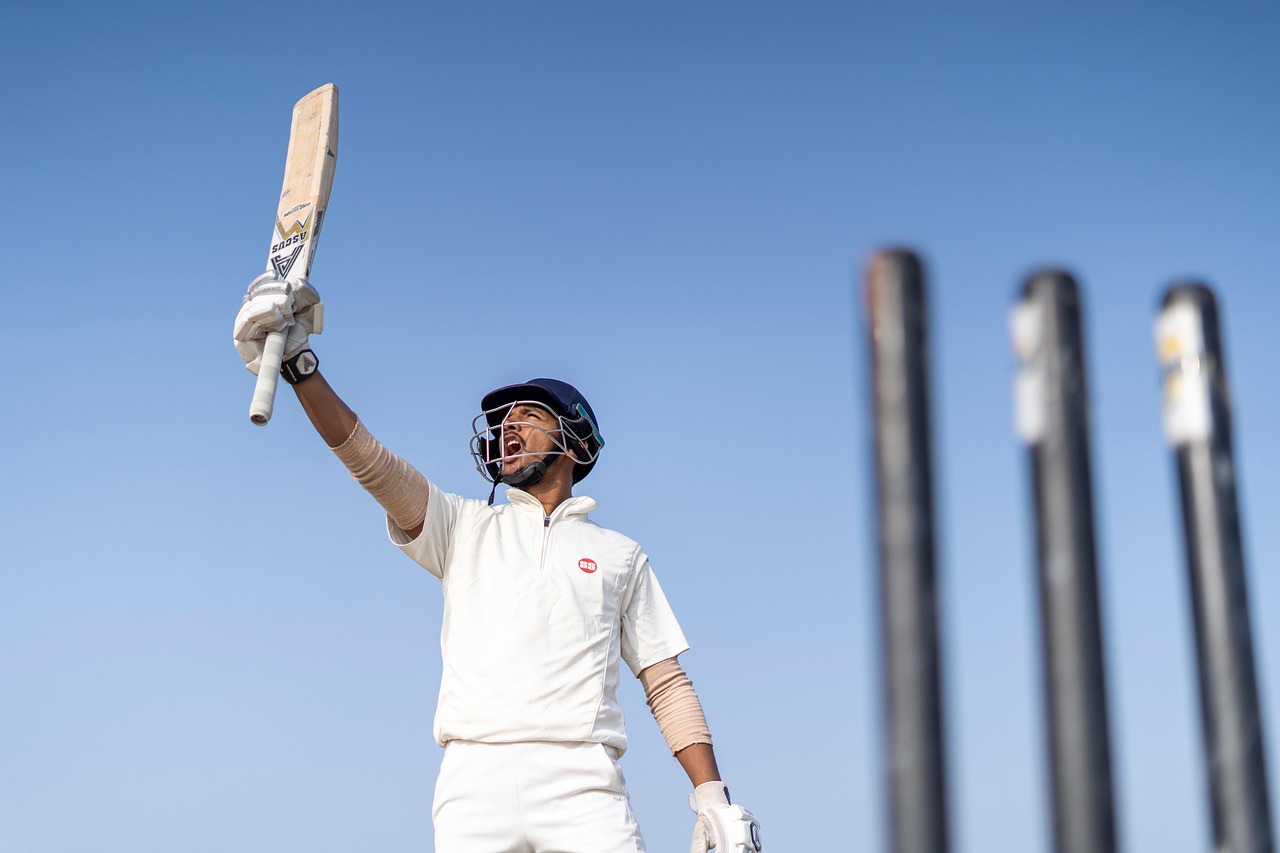
Cover photo by yogendras31 on Pixabay.