Institutionalizing Friction: The High-Stakes Cost of Live Engagement
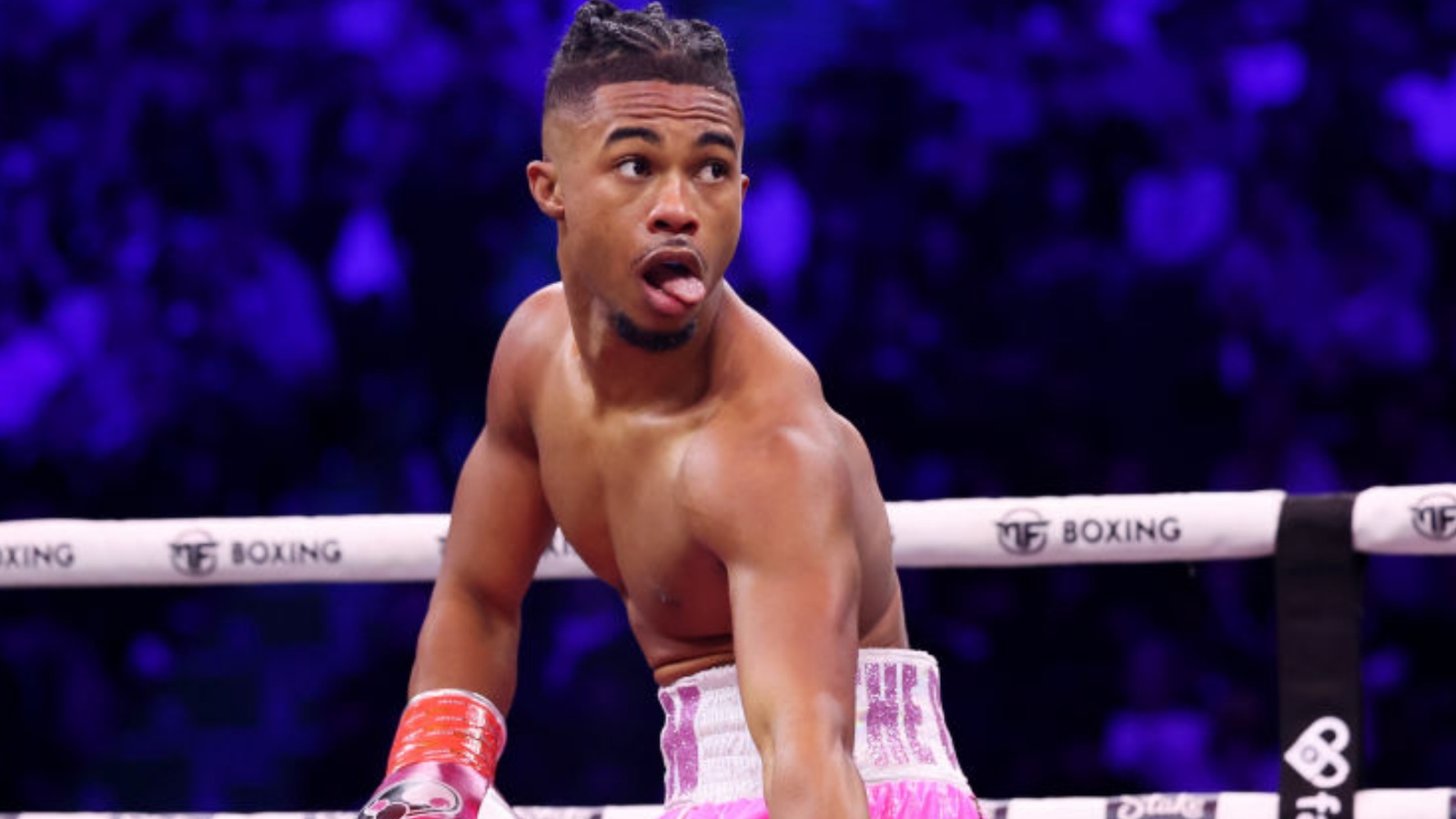
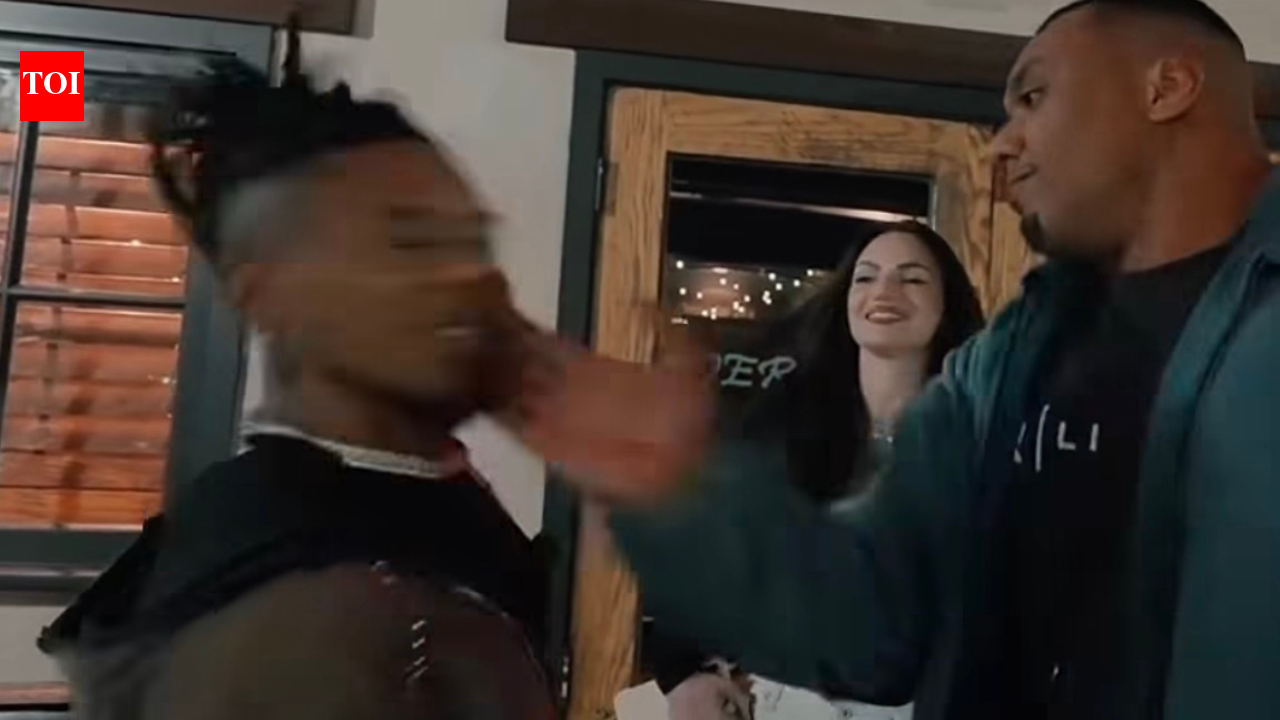
The recent physical altercations involving Nurideen Shahid Shabazz (Deen the Great) during Quinton “Rampage” Jackson’s live broadcasts represent more than viral anomalies; they signal a systemic breakdown in the ‘house party’ streaming model. Occurring within a 24-hour window, these incidents involving powerlifter Larry Wheels and MMA manager Tiki Ghosn highlight the precarious intersection of unscripted creator content and professional liability. As the economy of friction prioritizes immediate engagement, the long-term cost of operational volatility becomes a critical concern for stakeholders.
The Larry Wheels Intervention: Brand Preservation vs. Physical Liability
The confrontation between Larry Wheels and Shabazz serves as a case study in brand threshold management. Wheels, whose brand equity is built on disciplined physical power, faced a unique dilemma when social boundaries were breached in a live forum. While reports indicate Wheels maintained a non-threatening posture until the point of physical provocation, the incident underscores the ‘permanent record’ risk. In a digital-first market, a creator’s reaction to persistent harassment—even when framed as defensive—can recalibrate their standing with blue-chip sponsors who prioritize stability over chaotic authenticity.
Managerial Failure and Professional Escalation
The secondary escalation involving Tiki Ghosn, a former UFC fighter and manager, shifts the narrative from social friction to institutional failure. When management personnel transition from administrative oversight to physical intervention (specifically a professional-grade elbow strike), it indicates a collapse of the existing security infrastructure. This role-blurring creates immense legal exposure for the host, Rampage Jackson, as the distinction between personal defense and professional misconduct becomes a focal point for potential litigation and platform-level sanctions.
The Intoxication Variable and Duty of Care
Operational hazards were further compounded by visible signs of intoxication. Shabazz’s perceived state during both confrontations introduces a failure in the ‘duty of care’ protocols. For organizers, allowing impaired participants to engage in high-friction environments is a significant governance oversight. This negligence not only invites physical injury but also devalues the property in the eyes of insurers and platform moderators who are increasingly seeking to distance themselves from unmanaged, high-risk content environments.
The FAFO Loop: Monetizing Chaos at the Expense of Credibility
The current attention economy increasingly monetizes the ‘FAFO’ (Fuck Around and Find Out) cycle, where physical consequences are leveraged for viral reach. However, for a professional boxer like Deen the Great, being the recipient of two physical knockdowns in a non-sanctioned setting undermines athletic credibility. While short-term metrics may spike, the erosion of professional stature and the perception of being a liability rather than an asset will likely manifest in diminished fight opportunities and restricted access to high-tier collaborative networks.
Strategic Outlook for Live Stream Management
To ensure the longevity of influencer-led combat sports, the industry must transition toward professionalized governance. This includes mandatory sobriety checks, independent security teams, and clear codes of conduct for participants. Without these safeguards, the ‘house party’ format remains a high-liability venture that risks de-platforming. The events of early 2026 suggest that the era of unmanaged friction is reaching its limit, and the next evolution of live content will require a balance between authentic tension and institutional safety.