Strategic Roster Management in the NL East
The four-game series between the Atlanta Braves and New York Mets offers a critical window into organizational decision-making for the 2026 season. Following a June series victory, the Mets aim to leverage current roster adjustments to stabilize their rotation, while the Braves navigate performance regressions within their pitching staff.
Atlanta’s insertion of Grant Holmes into the rotation—a response to Bryce Elder’s velocity dip—highlights a league-wide shift prioritizing immediate performance metrics over historical tenure. This pragmatic approach underscores the competitive pressure inherent in division play.
Pitching Volatility and Tactical Adjustments
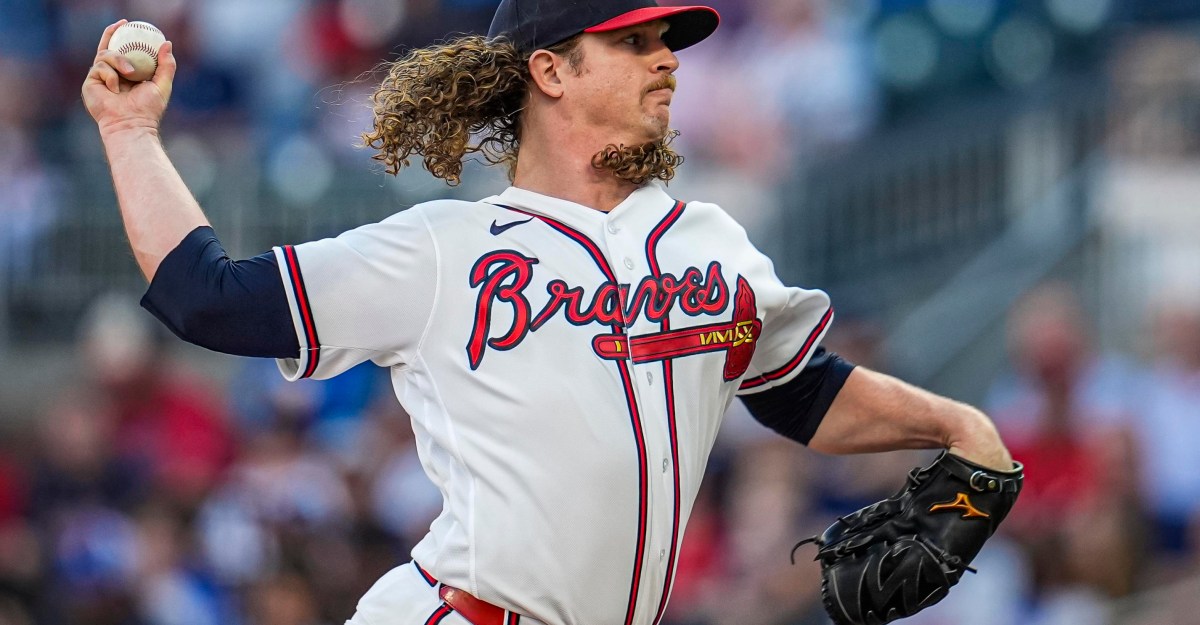
Grant Holmes enters this series with a 3.96 ERA, though his recent 4.20 mark reflects mounting statistical regression. An 11.1% walk rate and a 20.7% strikeout rate—both subpar—indicate a challenging adjustment phase for the third-year pitcher.
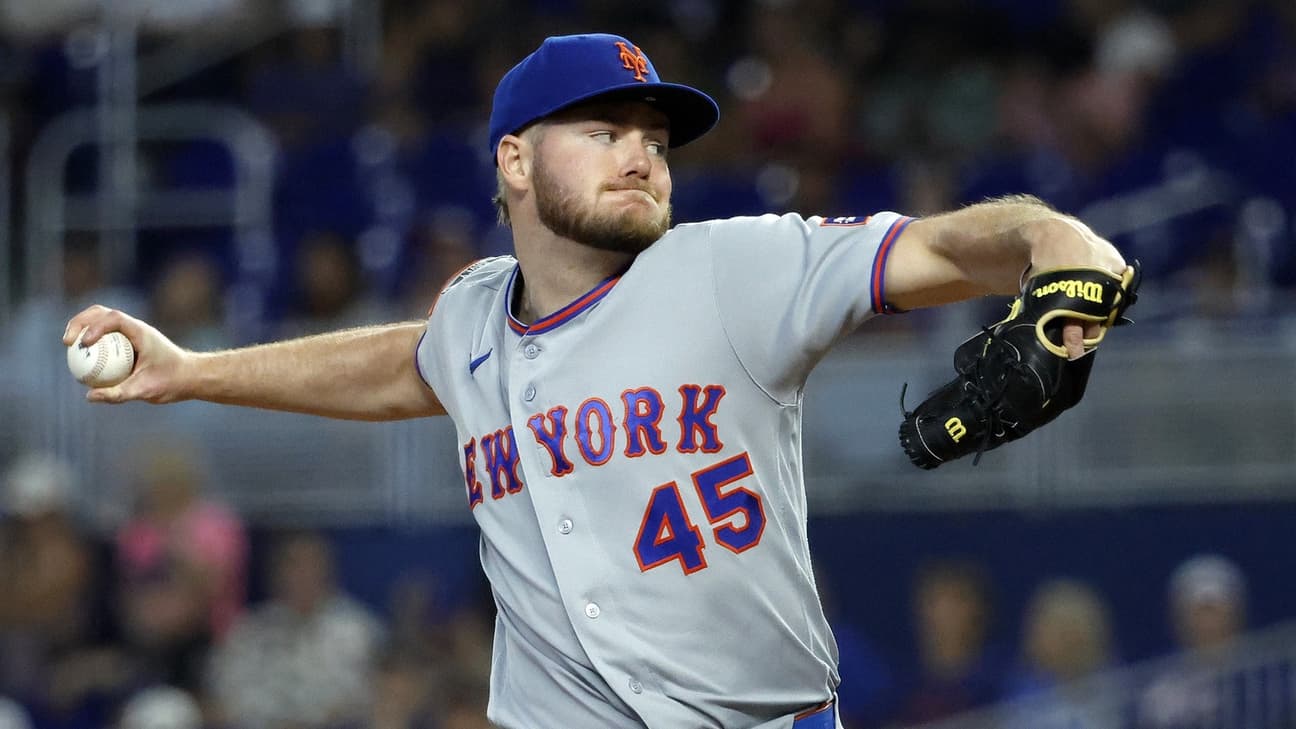
Conversely, the Mets focus on Christian Scott (3.20 ERA, 1.33 WHIP) as he returns from the injured list. Scott’s technical reliance on early-count offspeed usage against the Phillies suggests a refined approach aimed at countering rotation volatility and reducing high-stress pitch counts.
Institutional Stability and Long-Term Vision
The Mets’ commitment to David Stearns as the architect of their long-term strategy signals a shift toward organizational continuity. By insulating the front office from reactive, short-term decision-making, the organization aims to address systemic roster deficiencies rather than temporary performance dips.
Operational rigor is also evident in bullpen management. Despite broader team challenges, the Mets’ ability to cycle depth—exemplified by Jefry Yan’s recent administrative assignments—remains a strength. This depth provides a buffer, allowing the club to maintain competitive resilience despite starting rotation fluctuations.
Competitive and Logistical Context
Environmental variables, such as Atlanta’s intense climate, force ongoing, real-time management of bullpen endurance and player fatigue. Beyond these logistical hurdles, the broader front-office discourse concerning market positioning and long-term financial commitments remains central to the organization’s identity. The push to balance existing talent with long-term roster construction continues to be the definitive challenge for both franchises as the 2026 season progresses.