Netflix’s ‘Bridgerton’ Renewal Strategy: Content Economics and Franchise Management
Netflix’s decision to greenlight Seasons 5 and 6 of ‘Bridgerton’ represents a strategic shift in content management, prioritizing long-term franchise stability over single-season renewals. This multi-season commitment is less about simple programming and more about securing a predictable, high-engagement asset to mitigate creative and financial risk in the competitive streaming landscape. The renewal leverages the established framework of Julia Quinn’s eight-book series to ensure a consistent flow of premium content and maintain audience interest over multiple years, solidifying the series’ role as a cornerstone of Netflix’s intellectual property portfolio.
The Strategic Value of Pre-Existing Intellectual Property (IP)
The eight-book source material offers significant strategic advantages in content development and audience retention. Unlike original concepts, pre-existing intellectual property provides a proven narrative framework and a built-in fan base, significantly reducing the uncertainty inherent in launching new titles. The systematic application of this pre-defined structure, where each season focuses on a different Bridgerton sibling, allows for efficient long-range planning. This model ensures a consistent brand identity while refreshing the narrative focus each season, avoiding the creative stagnation often associated with long-running series centered on a single protagonist.
In the current streaming environment, high subscriber acquisition costs and persistent churn rates make high-value franchises critical retention tools. The predictable nature of ‘Bridgerton’s’ source material allows Netflix to market future seasons effectively, generating anticipation among existing subscribers and attracting new ones seeking a complete, multi-season viewing experience. By securing two additional seasons, Netflix calculates that the production cost is justified by the series’ ability to anchor subscriber loyalty over several years.
Operational Efficiencies and Talent Management
The simultaneous confirmation of Seasons 5 and 6, rather than on a season-by-season basis, has significant operational implications for production logistics and financial planning. This forward planning enables the production team to negotiate long-term contracts with key cast members and creative personnel, potentially reducing costs associated with last-minute scheduling and talent acquisition. The long-term renewal also allows for efficient resource management and a structured production cycle, such as the expected start of filming for Season 5 in spring 2026.
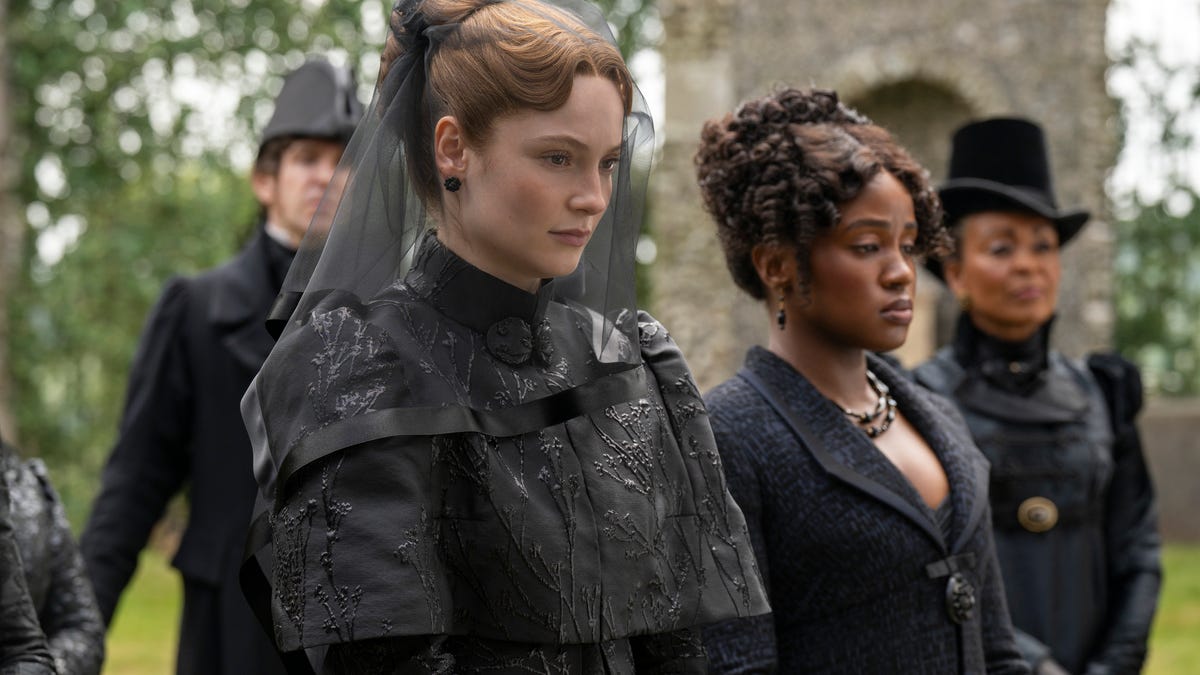
The management of a rotating ensemble cast, where each season features new leads while retaining a core group of returning characters, presents unique challenges and opportunities. The showrunner’s comments highlight the careful balancing act required to integrate previous leads (like Kate and Penelope) while introducing new protagonists (like Eloise or Francesca for Season 5). This strategy optimizes the use of high-value talent across the franchise’s lifespan and ensures narrative continuity for long-time viewers, maintaining investment in the overarching family dynamic even as the focus shifts.
Narrative Structure and Sustained Engagement Strategy
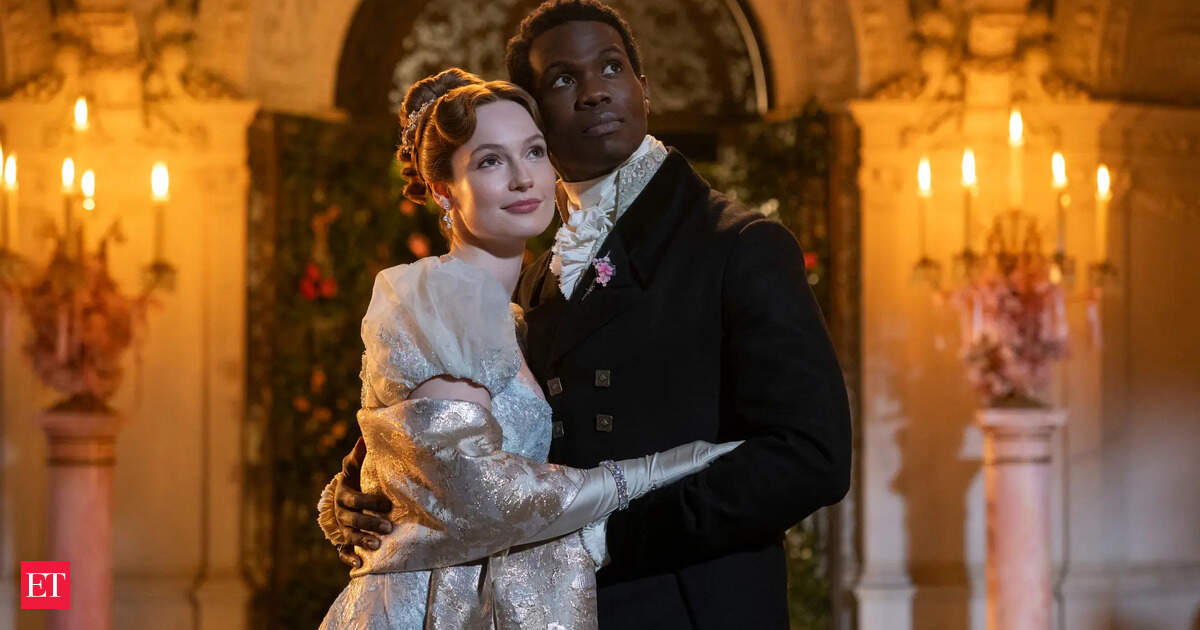
The narrative structure of ‘Bridgerton’ is designed to maximize audience engagement through a combination of self-contained romantic arcs and overarching character development. Each season delivers a satisfying, formulaic romance while contributing to the larger universe. A key strategic tool for maintaining continuous interest across seasons is the character of Lady Whistledown, the anonymous gossipmonger. The revelation of Penelope’s identity creates a meta-narrative layer that connects individual seasons, providing a continuous thread of intrigue and ensuring viewers remain invested in the broader social dynamics beyond the central love story. This mechanism prevents audience disengagement by leveraging existing character dynamics (like Eloise and Penelope’s relationship) to support new storylines.
Competitive Positioning and Market Differentiators
In the context of the streaming wars, ‘Bridgerton’ provides Netflix with a distinct competitive advantage in the historical romance genre. The series’ unique blend of Regency-era aesthetics and modern sensibilities, including string orchestra covers of pop songs and diverse casting, differentiates it from traditional period dramas. This specific brand identity allows Netflix to capture a niche audience while maintaining broad appeal, positioning the show as a high-value asset in its content library. This long-term renewal reflects a broader industry trend toward investing in proven franchises rather than relying solely on high-risk, high-reward original content. By securing Seasons 5 and 6, Netflix reduces the need to constantly develop new hits from scratch, providing a stable foundation for its content slate and maximizing the return on investment from an established brand that has demonstrated consistent performance.
Conclusion: The Economics of Franchise Optimization
The renewal of ‘Bridgerton’ for two additional seasons is a strategic economic decision based on optimizing intellectual property and securing content pipeline predictability. By systematically leveraging the eight-book source material, Netflix minimizes risk and maximizes audience retention. The careful management of returning characters and the focus on specific narrative dynamics, as detailed by the showrunner, demonstrates a calculated approach to maintaining fan engagement across multiple seasons. This strategy ensures that the franchise remains a high-value asset in the competitive streaming landscape, providing a stable foundation for Netflix’s future content slate and reinforcing its position as a market leader in premium scripted content.