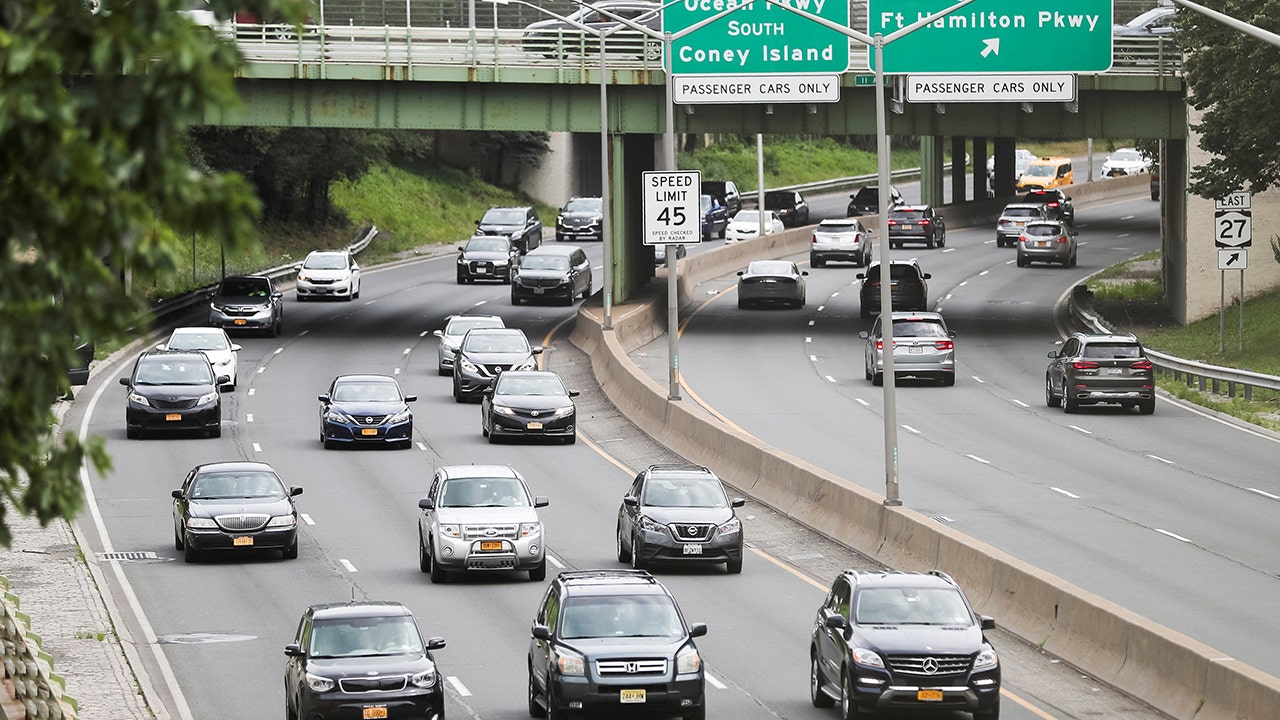
State Farm Mutual Automobile Insurance Company has announced a record-breaking $5 billion dividend distribution, signaling a decisive pivot in the property and casualty (P&C) sector’s capital management. Scheduled for disbursement this summer, this one-time cash-back initiative applies to more than 49 million insured vehicles. This massive capital return follows a period of aggressive fiscal recalibration, reflecting a stabilized operational surplus after years of intense inflationary pressure on repair and labor costs.
The Mutual Advantage: Strategic Capital Allocation
The $5 billion payout underscores the structural differentiation of the mutual insurance model. Unlike publicly traded competitors prioritized by quarterly shareholder dividends, State Farm’s fiduciary mandate is tied to its policyholders. This structure allows the firm to redistribute excess capital directly to its customer base when solvency reserves exceed long-term requirements. CEO Jon Farney noted that current financial benchmarks enable the firm to provide immediate liquidity to members while maintaining the reserves necessary for future claims obligations.
2025 Fiscal Analysis: Revenue and Net Income Trajectory
The dividend is backed by a stark financial turnaround in State Farm’s 2025 fiscal results. Total revenue reached $132.5 billion, a 7.7% increase from $123 billion in 2024. However, the most significant indicator of institutional health is the trajectory of net income, which surged from $5.3 billion to $12.9 billion—a 143% increase. This margin expansion suggests that previous actuarial adjustments and premium hikes have finally synchronized with cooling loss trends, creating a substantial distributable surplus.
Underwriting Efficiency and Loss Cost Deflation
A primary catalyst for this windfall is the stabilization of underwriting performance. In 2022 and 2023, the industry faced a ‘perfect storm’ of supply chain bottlenecks and increased vehicle tech complexity, driving claim costs to historic highs. By 2025, a reversal in these trends—specifically loss cost deflation in the auto repair sector—allowed State Farm to optimize its loss reserves. This efficiency, combined with high operational leverage, converted premium revenue into record profits.
Distribution Logistics: Cash vs. Policy Credits
Distinct from standard premium credits, State Farm will issue these payments as direct cash distributions via checks or digital transfers. The average refund is projected at $100 per vehicle, though individual amounts will fluctuate based on state-specific regulatory environments and premiums paid. This focus on direct liquidity serves as a powerful consumer retention tool in a market where policyholders have become increasingly price-sensitive following years of industry-wide rate hikes.
Market Outlook and Regulatory Positioning
State Farm’s announcement may signal the end of the aggressive rate-hike cycle that dominated the 2022–2024 period. By issuing a dividend of this magnitude, the company proactively demonstrates to state regulators that its current rate structures are not excessive relative to risk. Furthermore, as competitors like USAA adjust their reimbursement strategies, State Farm’s $5 billion injection into the consumer economy reinforces its dominant market share and institutional resilience amidst ongoing economic volatility.