
Systemic Barriers in Elite Coaching
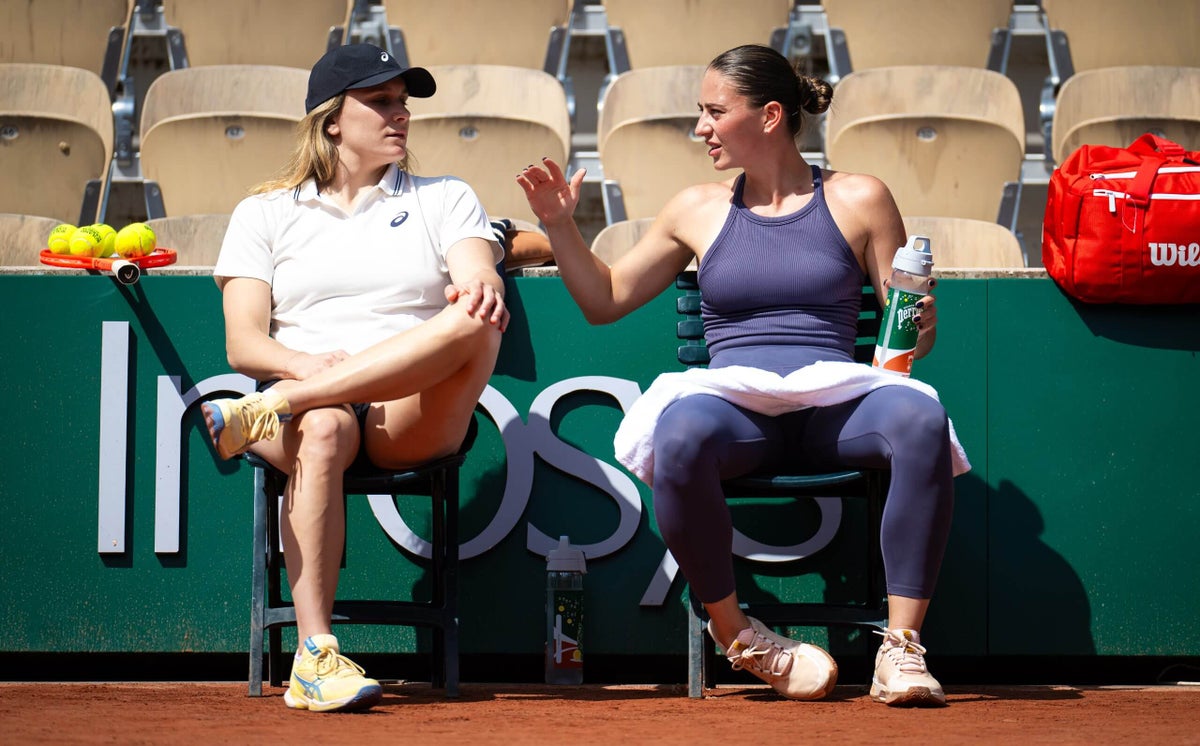
The 2026 French Open semifinals spotlighted a rare occurrence in professional tennis: the prevalence of female coaches at the sport’s highest tier. The success of Marta Kostyuk under Sandra Zaniewska and Mirra Andreeva under Conchita Martínez highlights a stark demographic imbalance in a role historically dominated by men.
The Logistics of the Professional Circuit
The primary barrier to female representation is the rigid, 40-week annual travel schedule. Industry experts note that this cycle conflicts with traditional domestic life-cycles. Sandra Zaniewska has highlighted that the tour’s current structure lacks flexibility, essentially creating a self-selecting barrier that forces highly qualified candidates to choose between elite coaching and personal stability.
Institutional and Historical Context
The scarcity of female coaches is a result of an infrastructure designed for a bygone era. Despite the prestige that former champions like Conchita Martínez bring to the coaching box, the transition from athlete to coach remains fraught with systemic friction. With female coaches remaining a minority even within the top 50 WTA rankings, the professional ecosystem currently lacks the retention mechanisms to capitalize on the intellectual capital of retiring female players.
Competitive Implications of Coaching Dynamics
The Andreeva-Martínez mentorship illustrates the psychological and strategic advantages of peer-level coaching. Beyond technical oversight, this dynamic offers an essential transfer of experiential knowledge regarding the pressures of high-stakes environments. This rapport is a critical, yet undervalued, asset in maintaining sustained performance at the Grand Slam level.
Market and Industry Positioning
The professional landscape is currently hindered by recruitment biases that categorize female coaches as anomalies rather than standard professional assets. Without institutionalized support and modern workforce adaptations, agencies and teams will continue to rely on traditional, male-centric hiring practices, inadvertently discouraging professional development for women in the sport.
The Economic and Operational Future
Long-term sustainability in elite coaching requires addressing these systemic rigidities. While the Kostyuk-Zaniewska and Andreeva-Martínez pairings serve as a successful proof-of-concept, they remain outliers. Until the industry addresses the intersection of extreme travel demands and recruitment biases, the representation of women at the highest levels will likely remain constrained by historical inertia rather than a lack of professional capability.