French Open Final Dynamics Shifted by Arnaldi Withdrawal
Italy’s Matteo Arnaldi, ranked world No. 104, has withdrawn from his maiden Grand Slam semi-final at the French Open due to a sudden virus. This development directly elevates his close friend, Flavio Cobolli, into the championship match. The announcement, made just 25 minutes before the scheduled start, highlights the unpredictable nature of elite athletic competition and the significant impact of sudden health events on tournament progression and player narratives.
Arnaldi’s forced withdrawal, citing dizziness and inability to move, eat, or drink, represents a profound personal setback. This incident underscores the extreme physical demands of major tennis tournaments and the fine line between peak performance and debilitating illness, impacting his immediate career trajectory and the broader perception of resilience within the sport.
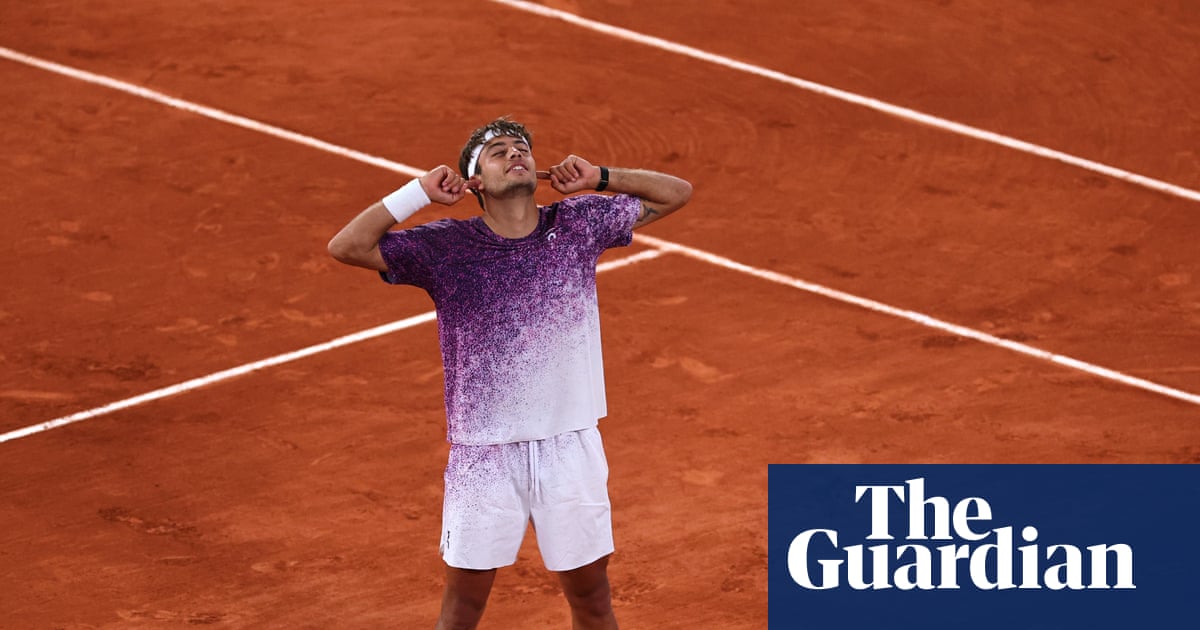
The consequence for 24-year-old Cobolli, the 10th seed, is an unprecedented path to his first Grand Slam final via a walkover. While a personal career milestone, this scenario inherently alters the narrative of his maiden final appearance, potentially diminishing the perceived competitive intensity of his advancement compared to a hard-fought semi-final victory.
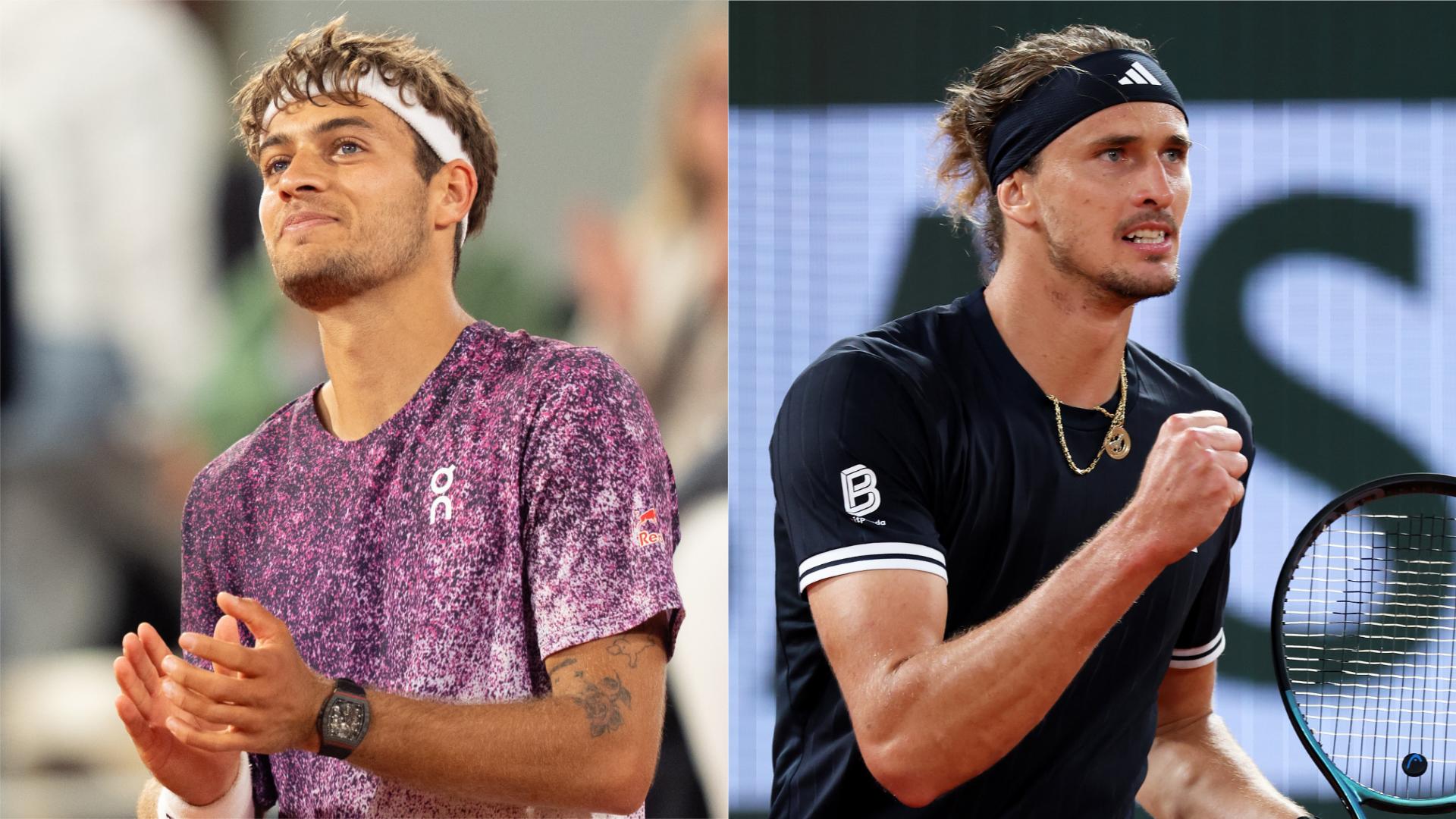
Cobolli is now set to face the formidable challenge of German second seed Alexander Zverev, a seasoned Grand Slam contender. The final dynamic shifts from a potentially hard-fought contest between two emerging talents to a match pitting an unexpected finalist against a favorite seeking his first major title.
The close friendship between Arnaldi and Cobolli adds a unique layer of personal complexity. Their joint press conference, marked by mutual concern, illustrates the camaraderie in professional tennis. However, questions arise regarding operational protocols and health risk assessments within the tournament environment, particularly concerning the proximity of Cobolli to a visibly unwell Arnaldi.
Cobolli’s extended rest period from not playing a semi-final offers a physical advantage. Conversely, the lack of recent match play might disrupt momentum and competitive rhythm heading into the final, presenting a psychological challenge against a player who has navigated a demanding semi-final.
For Alexander Zverev, his opponent’s walkover provides additional rest and preparation time, allowing for refined game plan and mental approach without immediate physical expenditure.
The broader impact on the French Open’s narrative is a departure from an anticipated dramatic semi-final. Instead, the tournament’s conclusion is framed by unexpected advancement and the pervasive influence of health on athletic careers at the highest level, underscoring the inherent fragility of sporting events.
The financial and ranking implications for Arnaldi are significant. His withdrawal forfeits the opportunity for substantial prize money and ranking points, potentially delaying his ATP ranking ascent and impacting future seeding and sponsorship opportunities.
Cobolli’s progression guarantees a substantial leap in his career standing. A Grand Slam final appearance elevates his profile, secures significant prize money, and provides a considerable boost to his ATP ranking, positioning him as a more consistent threat in future major tournaments.
The media narrative now centers on circumstance, friendship, and unexpected opportunity, influencing fan engagement and public perception of the tournament’s conclusion.
The incident also sharpens focus on the importance of robust health and safety protocols at major sporting events, raising questions about measures to prevent illness spread among competitors.
From an operational standpoint, tournament organizers face challenges in managing player health and ensuring fair competition amidst strict scheduling demands. Arnaldi’s withdrawal necessitated immediate adjustments, highlighting logistical complexities.
The long-term careers of both players hinge on navigating these circumstances. For Arnaldi, recovery and a strong return are paramount. For Cobolli, capitalizing on this unique opportunity against a top-tier opponent is the challenge.
The French Open’s narrative recalibrates, amplifying the human element of sport—unexpected challenges, friendships, and resilience.
The incident serves as a stark reminder for athletes regarding critical health management. Pushing physical limits carries profound consequences, as Arnaldi’s experience demonstrates.
The competitive landscape of men’s tennis is subtly altered. Cobolli’s unexpected surge introduces a new narrative thread and potentially shifts perceptions of emerging talent.
Strategic decisions by players and teams are under scrutiny. Arnaldi’s situation prompts reflection on health risk assessment, while Cobolli’s path highlights the impact of draw luck on tournament outcomes.
Economic ripple effects are implied, with altered prize money distribution and future earnings potential influenced by these events.
Institutional responses from the French Tennis Federation and ATP Tour regarding health protocols will likely be informed by such incidents, reinforcing the responsibility to ensure a safe and fair competitive environment.
The cultural aspect of sport, celebrating triumph over adversity, is also at play. Cobolli’s journey, intertwined with his friend’s misfortune, presents a complex narrative.
Ultimately, the French Open final is framed by the unforeseen circumstances of Arnaldi’s withdrawal, underscoring the inherent unpredictability of elite sports, the critical role of player health, and the profound impact of circumstance on athletic careers and tournament narratives.
The strategic positioning of both finalists is now under scrutiny. Zverev faces pressure to confirm his status against a less experienced opponent with an unusual path. Cobolli carries the momentum of an unexpected breakthrough, coupled with the psychological challenge of facing a top seed under unique circumstances.
Zverev’s competitive leverage is amplified by extended rest, allowing meticulous preparation. Cobolli’s leverage lies in potentially playing with less pressure, though the absence of a semi-final battle might temper his competitive edge.
Capital movement within the sport, represented by prize money and future earnings, is directly impacted. Arnaldi’s withdrawal means lost potential earnings, while Cobolli’s advancement secures a significant financial windfall.
Cobolli’s performance leverage now involves managing the psychological impact of his unique path. Channeling the emotional complexities of his friend’s illness into focused determination will be key against Zverev.
Exposure for both players is heightened. Zverev faces intense scrutiny to secure a Grand Slam title, while Cobolli has an opportunity to define his career on a global stage.
Downstream effects include potential shifts in player rankings, increased media attention on Cobolli, and a renewed emphasis on player health protocols, collectively shaping professional tennis’s evolution.
Structural pressures within professional tennis, where a single tournament can significantly alter a career, are vividly illustrated. Arnaldi’s setback and Cobolli’s breakthrough highlight the sport’s high stakes and inherent volatility.
The distribution of advantage favors Zverev in rest and experience. Cobolli benefits from an unexpected reprieve, but the psychological burden of his friend’s illness and his unique path present challenges.
Plausible evolution scenarios for Cobolli involve leveraging this opportunity to establish a new career benchmark. For Arnaldi, the focus shifts to recovery and a determined comeback, observed by the broader tennis community regarding player welfare and competitive fairness.