
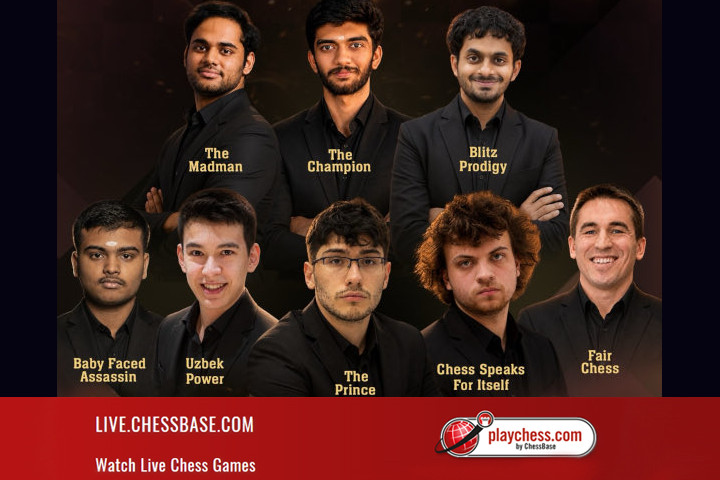
Chennai Grand Masters: Gukesh’s Home Tournament Challenges
The Quantbox Chennai Grand Masters, in its fourth edition, is presenting a formidable challenge for its top-ranked participant, World Champion Gukesh Dommaraju. This eight-player, single round-robin tournament, utilizing classical time control, is a stringent test of endurance and strategic depth. Gukesh’s current performance, characterized by unexpected losses and draws, deviates significantly from the anticipated dominance of a reigning world champion on home soil.
Gukesh’s second loss in five rounds, to fellow Indian Grandmaster Arjun Erigaisi, underscores the intense and unpredictable nature of top-tier chess. The game, where Gukesh held a winning advantage before it slipped into an equal position and he ultimately resigned, suggests potential psychological pressures or tactical miscalculations under tournament duress. This outcome impacts his immediate standings and raises questions about his current form and mental resilience against a field including formidable opponents like Nodirbek Abdusattorov and Alireza Firouzja.
The direct consequence of Gukesh’s defeat to Erigaisi is a slide to sole last place in the tournament standings with 1.5 points. This contrasts sharply with Arjun Erigaisi’s ascent to joint leadership with Alireza Firouzja, both on 3.5 points. Such a shift, with the world champion at the bottom, signals a highly competitive environment testing established hierarchies and scrutinizing each player’s strategic capital.
Evolving Competitive Landscape and Strategic Imperatives
The performances at the Chennai Grand Masters serve as a real-time barometer of professional chess’s evolving competitive landscape. The rise of talents like Arjun Erigaisi, now a joint leader, alongside established stars like Alireza Firouzja, indicates a broadening base of elite players capable of challenging for top honors. This dynamic suggests a move away from singular dominance towards a more distributed distribution of high-level chess prowess, necessitating continuous adaptation and innovation.
For Gukesh, the tournament outcome presents a critical juncture for strategic recalibration. Converting winning positions into decisive victories is paramount; perceived weaknesses in endgame play or psychological resilience can be exploited. His earlier loss to Firouzja and subsequent draws highlight the difficulty of securing wins in this balanced field, where marginal errors carry significant competitive weight.
The financial and reputational leverage tied to tournament performance is substantial. Consistent success fuels sponsorship opportunities, prize money, and marketability. Gukesh’s current position, while potentially temporary, could impact his immediate earning potential and long-term endorsement appeal, creating tangible financial exposure if not swiftly rectified.
Technological Integration in Modern Chess Training
The Chennai Grand Masters context also highlights the increasing role of advanced technology in chess training and analysis. Software like ChessBase 18, with its playing style analysis and strategic theme searching across vast databases from Lichess and Chess.com, signifies a major advancement in preparation capabilities. Cloud engines and direct game downloads via APIs point to more data-driven, personalized training regimens.
Furthermore, the utilization of FRITZ as a personalized chess coach exemplifies the trend towards AI-assisted learning that adapts to individual player development. This technological integration provides sophisticated tools to dissect games, identify weaknesses, and optimize preparation, offering a significant competitive advantage.
The availability of these advanced tools suggests that future chess competitions will increasingly favor players adept at leveraging technology. This hybrid skill set—combining chess acumen with digital proficiency—is potentially shaping a new generation of top competitors. The capital investment in such technologies by players and their teams is becoming a critical factor in maintaining a competitive edge.
Stakeholder Impact and Future Trajectories
Gukesh’s performance and that of other top players have direct implications for the chess ecosystem. For organizers, compelling narratives with upsets and close contests enhance viewership and media interest, boosting revenue and future event viability. A world champion facing adversity adds dramatic appeal, attracting broader audiences.
For sponsors and partners, brand visibility is tied to athlete success. Gukesh’s struggles might momentarily dim his spotlight, but strong play from contenders offers significant exposure. Sponsors often balance support for established champions with emerging talents, a dynamic evident in this tournament.
The long-term trajectory of professional chess is shaped by these events. The emergence of new leaders and challenges to reigning champions contribute to the sport’s narrative arc, influencing fan engagement and talent development. The intensity observed in Chennai suggests a healthy, evolving sport with opportunities for advancement for consistent high-level performers.
Operational Realities of Elite Competition
Elite chess tournaments involve demanding operational realities beyond board play. The intense focus required for classical time control games, coupled with the pressure of a round-robin format, takes a toll. Gukesh’s experience of reflecting on a lost winning position, only to encounter his opponent in close proximity, illustrates the inescapable psychological intensity of professional chess.
This close-quarters environment can amplify both camaraderie and tension. The forced interaction with Erigaisi immediately post-game would have been particularly trying, highlighting the fine line between professional courtesy and personal emotional management in high-stakes competition.
Logistical and psychological support structures are therefore critical. The ability of Gukesh’s team to effectively manage these aspects will be crucial as he navigates the remainder of the tournament and prepares for future challenges.
Market Dynamics and Player Valuation
Competitive shifts in the Chennai Grand Masters directly impact player valuation. A world champion’s status typically commands a premium, but sustained underperformance can lead to a reassessment by sponsors and organizers.
Conversely, players like Arjun Erigaisi, demonstrating strong results against top competition, see their market value increase. Their ascent to joint leadership, particularly by defeating the world champion, positions them favorably for lucrative future opportunities, creating constant flux in the chess economy.
Capital movement in chess is closely tied to on-board results. Investment in player development and technology is predicated on expected success and marketability. The current standings in Chennai represent a potential recalibration of investment strategies within the professional chess circuit.
Institutional Responses and Future Preparations
Outcomes at the Chennai Grand Masters inform institutional responses within chess, including governing bodies and training academies. National player performance, especially a world champion’s, influences funding and support. For Indian chess, Gukesh’s struggles highlight depth, with Erigaisi emerging as a strong contender.
Federations often use such tournaments for talent identification. Data from these events informs strategic resource allocation and future training. The need for robust support systems to help players navigate adversity becomes evident.
The competitive pressures in Chennai will likely spur further innovation in training methodologies and strategic approaches. The continuous evolution of chess, influenced by technology and new talents, necessitates adaptability from all institutional players.
The Role of Chess Software and AI
The mention of ChessBase 18 and FRITZ underscores the profound integration of sophisticated chess software and AI into modern chess. These tools are indispensable components of a professional player’s arsenal, altering training paradigms and competitive preparation.
ChessBase 18’s capabilities, like playing style analysis and searching strategic themes across billions of Lichess games, enable granular understanding of opponent tendencies. Direct integration of Chess.com game downloads via API streamlines studying recent performances, providing up-to-the-minute insights into rivals’ evolving strategies.
FRITZ, as a personalized coach, represents the cutting edge of AI in sports training. Its adaptive algorithms tailor regimens to individual strengths and weaknesses, offering personalized instruction. Competitive chess is increasingly a battle of strategic intellect, data processing, and analytical prowess, where effective tool utilization yields significant leverage.
Capital investment in such advanced software and the training to master them represent a new frontier in chess development. Players and teams are increasingly allocating resources to these digital assets, recognizing their potential to unlock decisive marginal gains at the elite level.
Broader Ecosystem Impact and Media Narrative
The performance of a world champion in a high-profile tournament like the Chennai Grand Masters shapes the broader media narrative. Upsets generate significant interest, attracting both seasoned enthusiasts and casual observers. The story of Gukesh’s struggles against Erigaisi’s rise provides a compelling storyline for sports media.
This media exposure is critical for the sport’s visibility and commercial viability. Increased viewership translates into greater advertising revenue and sponsorship opportunities, benefiting players, organizers, and governing bodies. The narrative of a reigning champion facing challenges adds drama, making the competition more engaging.
Furthermore, the technological aspects contribute to chess’s modern image as an innovative sport. This can dispel outdated perceptions and attract a digitally native generation of players and fans. The interplay between on-board performance, media coverage, and technological advancement collectively influences the ecosystem’s growth, creating a dynamic feedback loop.
Strategic Considerations for Player Development
The current events in Chennai offer valuable strategic insights for global player development programs. A world champion’s difficulties underscore the need for comprehensive support addressing technical skill, psychological resilience, and adaptability. Maintaining peak performance under pressure is a critical differentiator at elite levels.
For aspiring players, Gukesh’s and Erigaisi’s experiences serve as case studies in elite competition realities. They illustrate that talent alone is insufficient; consistent hard work, strategic preparation, and the capacity to overcome setbacks are vital. The emphasis on tools like ChessBase and FRITZ also signals the importance of integrating technological literacy into early development pathways.
The observed competitive balance suggests more democratized pathways to the top. This necessitates strategic talent identification and nurturing that is inclusive and adaptable to emerging trends. The sport’s long-term health depends on cultivating a diverse pool of skilled, resilient competitors, a goal tournaments like the Chennai Grand Masters contribute to by showcasing global talent.
Capital Allocation and Future Investments
The financial implications of elite chess performance extend to capital allocation decisions. For players, success translates into increased prize money, appearance fees, and endorsements, influencing reinvestment in training and technology. Conversely, underperformance may prompt a reassessment of these investments.
For sponsors and investors, player performance informs budget allocation. A world champion’s consistent success is a safe bet, but emerging contenders offer opportunities to associate with future stars. This dynamic encourages strategic diversification of investment within the chess ecosystem.
The increasing reliance on sophisticated training software and AI tools implies a growing market for these technologies. Companies developing such products will see their growth prospects tied to adoption rates and perceived effectiveness. Capital flowing into these solutions reflects a fundamental shift in how chess is played and trained at the highest levels, impacting the sport’s economic structure.
The Evolving Nature of Chess Mastery
The competitive dynamics at the Chennai Grand Masters highlight the evolving nature of chess mastery. While strategic understanding and tactical acumen remain paramount, modern elite players must also possess sophisticated data analysis skills, psychological resilience, and technological leverage. Gukesh’s experience, losing a winning position, suggests even the most skilled are not immune to high-level competitive pressures.
The emergence of players like Arjun Erigaisi, challenging the established order, indicates new approaches are yielding significant results. This constant evolution ensures chess remains dynamic, where continuous learning and adaptation are key to sustained success. Integrating diverse skill sets—from deep theoretical knowledge to advanced analytical tool use—defines the modern chess champion.
The competitive environment fostered by tournaments like this serves as a crucible for developing these multifaceted skills. Players are tested against opponents and the sport’s evolving demands. The outcomes in Chennai are indicators of broader trends shaping the future of chess mastery and strategic imperatives for all involved in the professional circuit.

Photo by Pexels on Pixabay.