The Asynchronous Reality of Grand Slam Entry Protocols
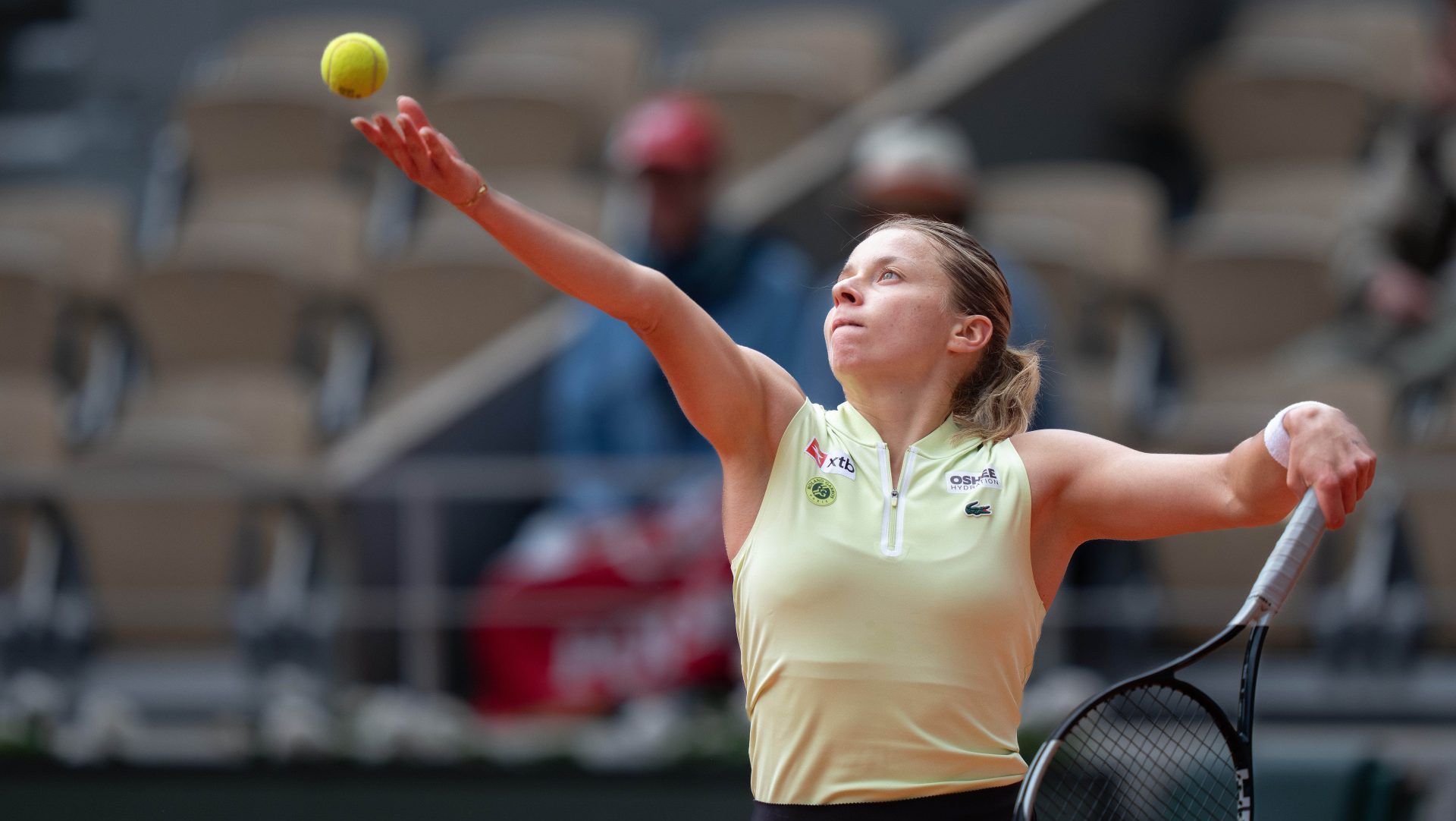
The meteoric rise of Maja Chwalinska—climbing from world number 114 to a Roland Garros finalist—has illuminated a critical friction point in professional tennis: the temporal misalignment of entry deadlines. Although her live ranking has ascended to world number 30—a threshold typically guaranteeing a seeded position—Wimbledon’s administrative freeze in mid-May anchors her participation to an obsolete data set. This six-week lag creates a meritocratic vacuum, where recent elite-level performance is negated by bureaucratic scheduling.
This institutional rigidity mirrors the 2025 precedent of Lois Boisson, whose deep run in Paris failed to secure a main-draw invitation at the All England Club. Such consistency suggests that the tournament’s adherence to fixed deadlines often supersedes the dynamic reality of the WTA tour, forcing surging talents into the high-variance environment of the qualifying rounds at Roehampton.
The Discretionary Economy: Merit vs. Commercial Narrative
Wimbledon’s allocation of eight discretionary wildcard spots represents a complex intersection of national interest, historical legacy, and commercial viability. Traditionally, these invitations are reserved for British domestic players or established champions returning from injury. Chwalinska, lacking both a domestic hook and an extensive grass-court resume, finds herself at a disadvantage within this protectionist framework.
As discussed on the Served Podcast, the ‘Cinderella’ narrative often lacks the institutional weight required to bypass the qualifying grind. The requirement to transition from the physical tax of clay to the technical demands of grass through an extra week of competition introduces systemic risks—fatigue and injury—that can blunt the momentum of a player on the verge of a top-tier breakthrough.
Commercial Leverage and the ‘Serena Factor’
The wildcard landscape is further compressed by the return of high-profile legends. The presence of Serena Williams in the grass-court season—signaled by her doubles entry at Queen’s Club—illustrates the hierarchy of tournament priorities. In the discretionary economy, global viewership and ‘star power’ serve as primary currencies that often devalue the immediate meritocratic claims of rising players.
For independent players like Chwalinska, who operate without major sponsorship, the lack of a direct entry imposes a significant financial burden. A main-draw wildcard provides a guaranteed fiscal floor, covering the high overhead of professional travel and specialized coaching—stability that is absent in the volatile qualifying stages.
Bracket Integrity and Competitive Distortion
Excluding a top-30 talent from the main draw induces a ‘dangerous floater’ effect, compromising the integrity of the seeding system. Should Chwalinska successfully qualify, she remains unseeded, potentially facing a top-ranked player in the opening round. This artificially increases the risk for established seeds and can lead to premature exits of ‘marketable’ stars, ultimately diluting the tournament’s late-stage quality.
Her victory over Olympic champion Qinwen Zheng proves that her technical ceiling far exceeds her official entry ranking. The current system’s failure to integrate these late-season surges suggests a need for more dynamic entry mechanisms. Without reform, the sport risks penalizing the very breakthroughs that drive fan engagement and revitalize the competitive landscape.