Strategic Implications of the Phillips-Sperling Union
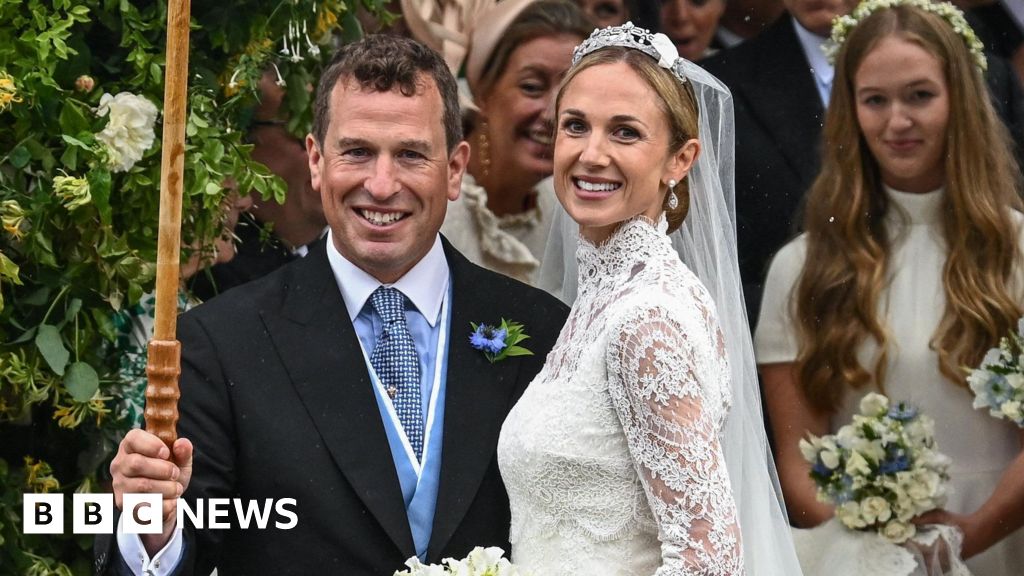
The marriage of Peter Phillips to Harriet Sperling on June 6, 2026, serves as a sophisticated case study in the House of Windsor’s adaptive resilience. Beyond the familial milestone, the event functioned as a calculated display of institutional continuity. By assembling senior royals—including the Sovereign and the direct line of succession—within a semi-private setting, the monarchy reinforced its internal cohesion amidst a broader generational transition.
The presence of King Charles III, Queen Camilla, and the Prince and Princess of Wales at All Saints Church, Kemble, underscores the strategic utility of the family’s non-titled branch. Peter Phillips, as the King’s eldest nephew, occupies a unique position that allows the institution to project normalcy and domestic stability, effectively humanizing the Crown for a contemporary audience.
Protocol Modernization and the Symbolic Economy of the Tiara
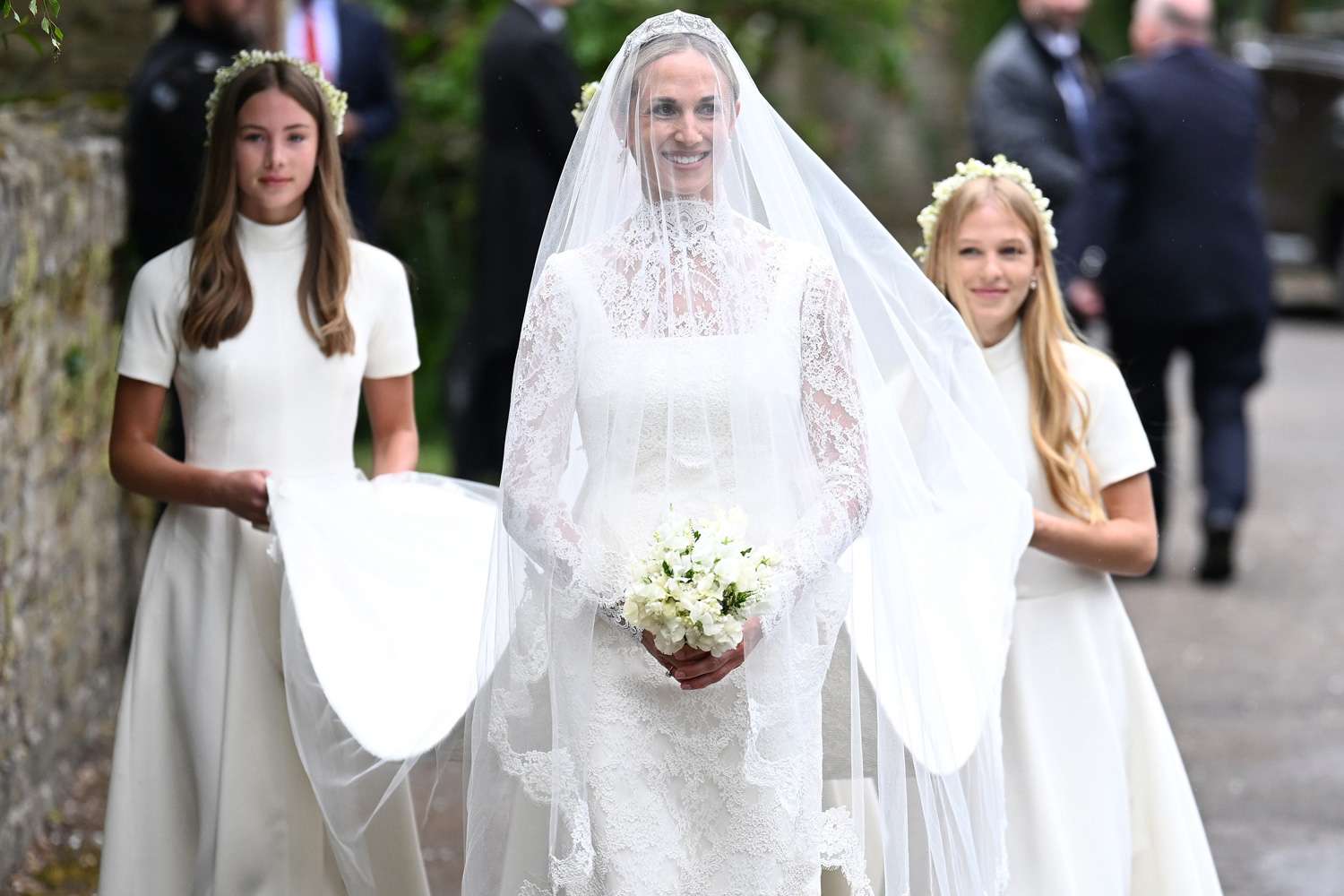
A critical departure from 20th-century precedent was observed in Harriet Sperling’s choice of bridal regalia. Historically, second marriages for members of the royal circle—notably those of Princess Anne and Queen Camilla—were characterized by aesthetic restraint. Sperling’s inclusion of a tiara signifies a deliberate recalibration of the monarchy’s symbolic economy.
This visual shift normalizes remarriage within the institution, stripping away the ‘penitential’ undertones that previously governed the public presentation of second-time brides. By sanctioning this departure, the King and the Princess Royal have signaled an update to internal bylaws, aligning the monarchy’s image with the lived realities of modern social structures and blended families.
Public Service Branding: The NHS Nexus
Harriet Sperling’s professional background as an NHS nurse introduces a layer of ‘earned’ relatability to the Royal Family’s extended network. At a time when the monarchy’s legitimacy is increasingly tied to tangible public service, the integration of a frontline healthcare professional serves as a potent narrative asset. This connection anchors the Phillips branch in the reality of the British workforce, countering long-standing criticisms of royal insularity.
The choice of Kemble—the bride’s place of residence—further emphasizes a decentralized, community-centric approach. This geographic shift away from the traditional hubs of London and Windsor reflects a localized branding strategy that distributes the monarchy’s cultural and economic ‘soft power’ more equitably across the United Kingdom.
Security Infrastructure and Managed Transparency
The operational execution of the ceremony highlighted the complex intersection of private life and state-adjacent security. Despite the event’s private classification, the deployment of high-level security protocols—including media pens and perimeter barriers—was necessitated by the presence of the direct heirs. This ‘managed transparency’ allows the Palace to satisfy global media demand while maintaining the integrity of the family’s private boundaries, a balance essential for long-term reputational management.
Succession Dynamics and Generational Unity
The attendance of the Prince and Princess of Wales provided a vital institutional endorsement of the new union. As Peter Phillips is the first of his generation to navigate a second marriage, the support of the future King sets a precedent for subsequent family transitions. The inclusion of children from previous marriages—Savannah, Isla, and Georgina—as bridesmaids reinforces the theme of domestic harmony, positioning the ‘blended family’ as the new standard for a modern, authentic monarchy.