Acrisure Stadium Bee Swarm: Unpacking Unforeseen Risks in Live Event Logistics
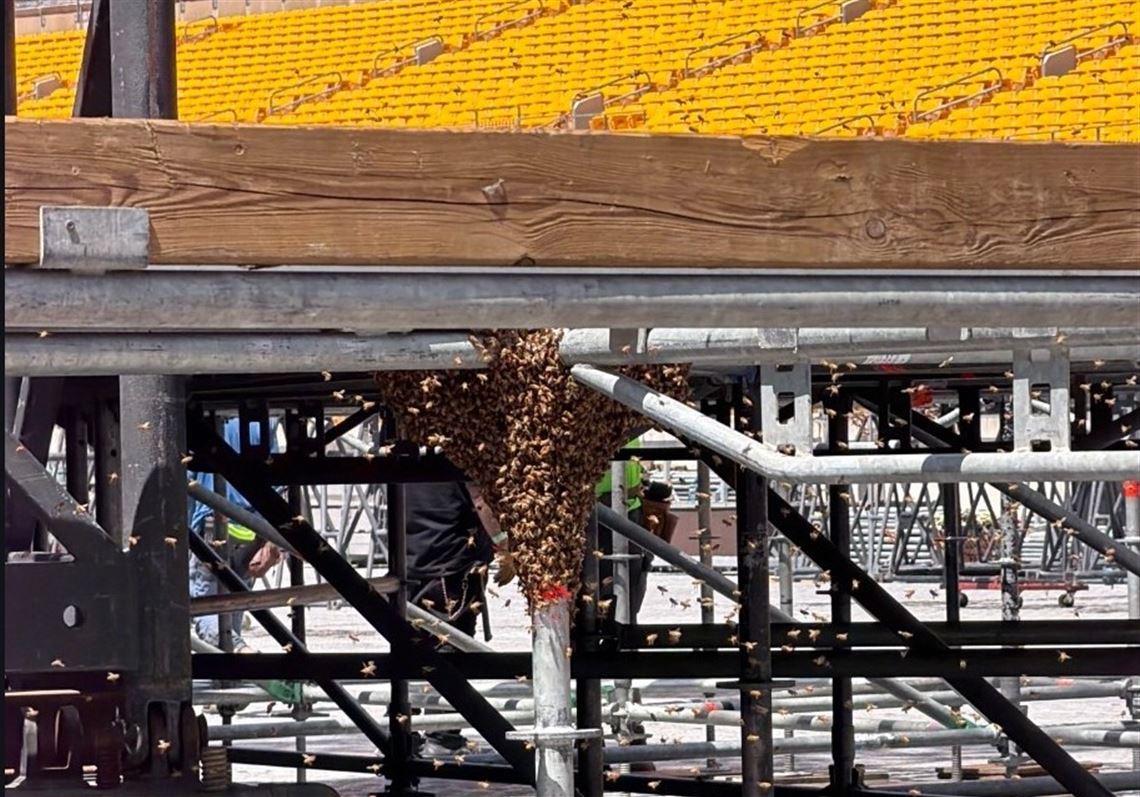
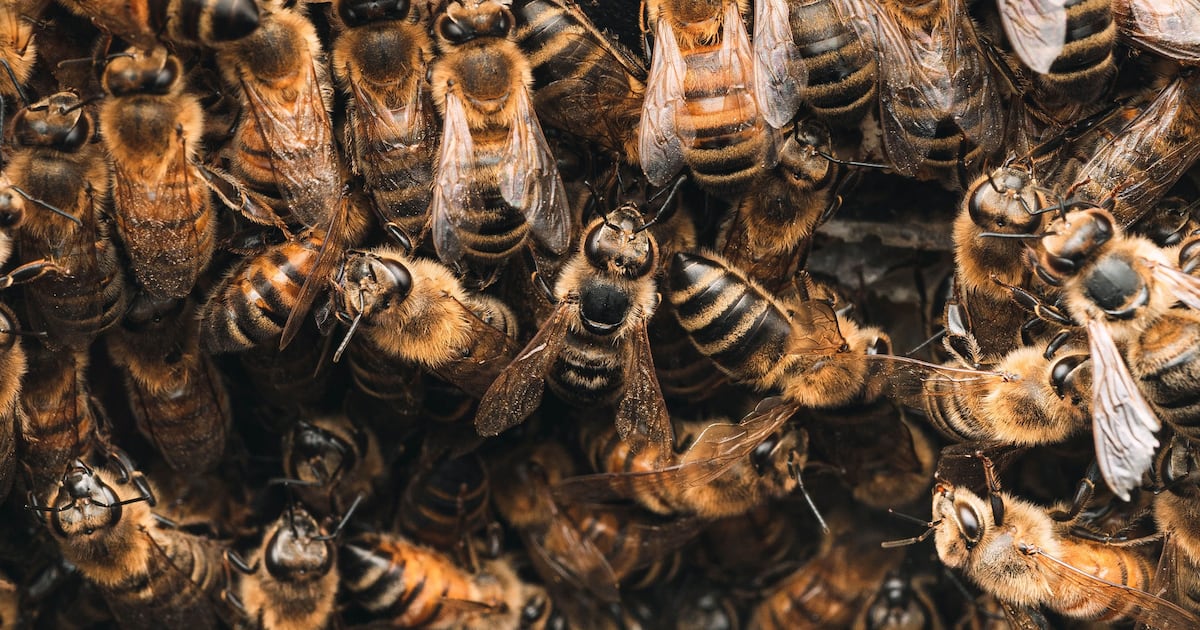
The unexpected presence of an estimated 12,000 to 15,000 bees on stage scaffolding at Acrisure Stadium on June 2, 2026, during preparations for a major concert, created immediate operational gridlock. This incident, reported by WPXI, temporarily halted critical setup procedures, laying bare inherent vulnerabilities within the complex logistical frameworks governing large-scale live events. It simultaneously exposed stadium management, the concert promoter, and the artist’s production team to significant operational, reputational, and financial risks, ranging from increased labor costs due to delays to potential contractual penalties related to schedule adherence.
Operational Vulnerabilities and Financial Exposure
This biological intrusion highlighted the limitations of standard emergency protocols, which often focus on human-centric or structural hazards, overlooking environmental factors. The incident underscored how unforeseen ecological elements can severely disrupt tightly scheduled production timelines, cascading into broader operational and financial ramifications. Beyond immediate expenses for emergency services and potential overtime for production crews, the event prompted a re-evaluation of event insurance policies and their coverage for non-traditional disruptions, emphasizing the inherent financial exposure associated with tight scheduling.
Strategic Resolution and Reputational Stewardship
The rapid engagement of Fine Family Apiary, a local specialized service, proved instrumental in resolving the bee swarm issue efficiently and ethically. Their expertise in humane bee removal, utilizing methods like sugar water, lemongrass, and spearmint oils, allowed for the successful relocation of approximately 95% of the swarm into a nuc box, preventing more drastic measures. Crucially, the narrative shaped by Al Fine’s statement, emphasizing “saving the bees,” transformed a potential crisis into a positive public relations outcome. This demonstrated a commitment to environmental responsibility, enhancing brand image and fostering goodwill among attendees and the wider community.
Evolving Risk Management and Venue Infrastructure
The Acrisure Stadium incident compels a deeper examination of event risk assessments, extending beyond conventional security and structural integrity checks to include comprehensive ecological considerations. Proactive engagement with local specialized services, such as apiaries, becomes a strategic imperative for developing robust contingency plans that address a broader spectrum of potential disruptions. For venues, this means enhancing infrastructure design and environmental protocols; while permanent structures often incorporate pest control, temporary concert installations require specialized pre-event assessments. Implementing sophisticated environmental impact assessments for large gatherings, alongside proactive measures like deterrents or regular inspections in areas prone to wildlife interaction, should become a standard component of future event planning.
Adaptive Event Management and Industry Resilience
Serving as a critical case study for the live entertainment industry, this incident reinforces that resilience in event management demands a holistic, adaptive approach anticipating highly unpredictable variables. It underscores that while traditional risks like crowd control or technical failures are well-understood, less common biological or environmental disruptions can have equally significant operational and financial impacts. This necessitates developing flexible resource allocation models, fostering a culture of continuous learning, and integrating local expertise into global event standards. Long-term strategic adjustments may involve investing in more environmentally sensitive pest management systems and incorporating ecological impact assessments into routine facility audits, reflecting a broader institutional commitment to sustainability and operational integrity.
Conclusion: Navigating the Unexpected in Large-Scale Productions
Ultimately, the bee swarm at Acrisure Stadium vividly illustrates the complex interplay between ensuring public safety, managing intricate logistics, and upholding environmental stewardship. It serves as a potent reminder of the inherent unpredictability that can affect even the most meticulously planned large-scale productions. True operational resilience in event management lies in the capacity to develop and deploy robust, adaptable management systems capable of swiftly pivoting to address novel, exogenous challenges, thereby minimizing disruption and safeguarding both human safety and ethical operational continuity.