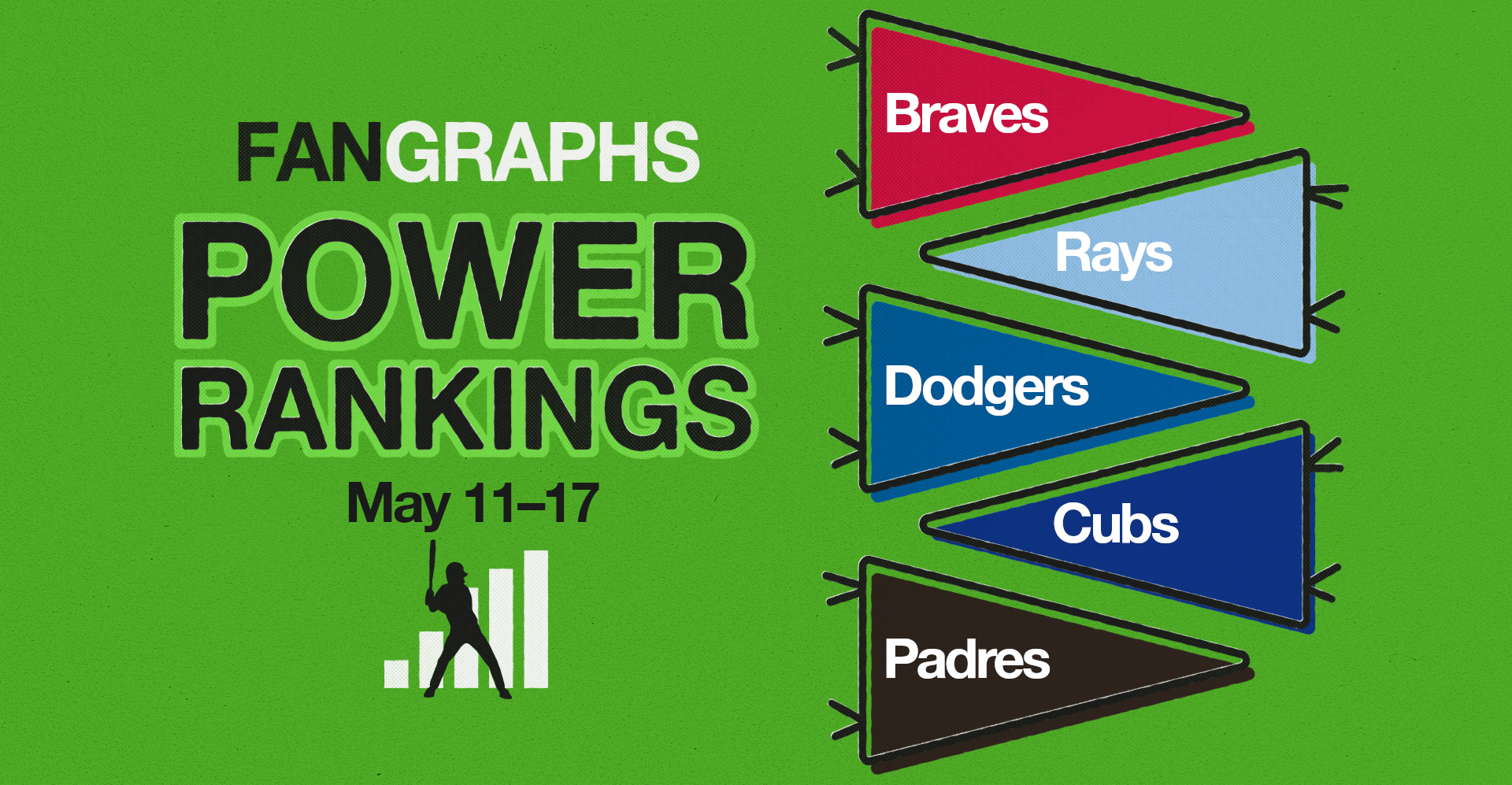
As Major League Baseball transitions into the second quarter of the season, the initial statistical volatility has begun to stabilize into actionable performance data. The Atlanta Braves have emerged as the league’s definitive benchmark, maintaining a 32-16 record and a 1.2 average ranking. This dominance has effectively displaced the Los Angeles Dodgers, signaling a shift in the National League’s competitive equilibrium and forcing a recalibration of championship probability models.
Strategic depth is currently being stress-tested through the lens of roster deficits. For Atlanta, the absence of Spencer Schwellenbach identifies a localized vulnerability within a high-performing rotation. This diagnostic approach—identifying ‘missing pieces’—serves as a roadmap for front-office resource allocation as the summer trade window approaches. Such gaps represent the opportunity cost of previous roster construction and the inherent fragility of maintaining a 162-game competitive window.
Shohei Ohtani continues to function as a statistical outlier, generating unprecedented competitive leverage with a 1.020 OPS and sustained elite power production. His dual-threat capabilities create tactical dilemmas for opposing managers, transcending standard valuation models. Meanwhile, the Philadelphia Phillies have benefited from institutional patience; the offensive stabilization of Kyle Schwarber and Bryce Harper suggests their early-season fluctuations were mere variance rather than structural decline, restoring the team’s high-value middle-order production.
Analytical rigor is provided by FanGraphs’ modified Elo rating system, which utilizes a chess-style framework reactive to recent performance. To mitigate the risks of overweighting small sample sizes, the model integrates a 50% regression factor against coin-flip playoff odds. This weighting scales as the season progresses, ensuring that the rankings remain grounded in long-term probability rather than ephemeral hot streaks. This methodology provides a predictive map for the eventual October field.
The recent ‘Rivalry Weekend’ provided a psychological catalyst for struggling franchises like the New York Mets and Chicago White Sox. High-leverage, come-from-behind victories in these matchups can pivot clubhouse morale, yet their long-term relevance depends on converting emotional momentum into sustained series wins. As the quarter-mark deadline for internal assessment passes, these organizations must decide between strategic continuity or a structural rebuild based on their current standing in a crowded divisional landscape.