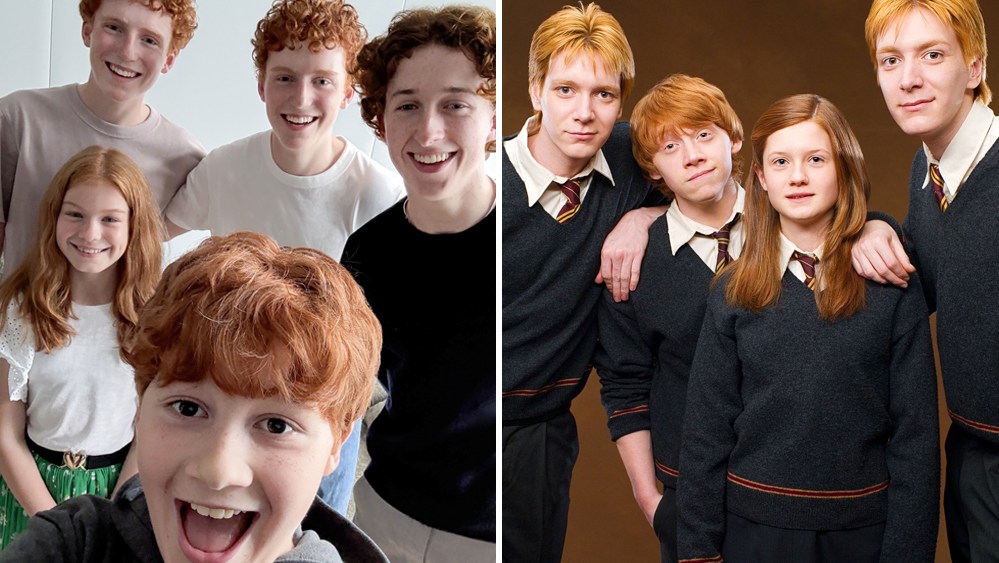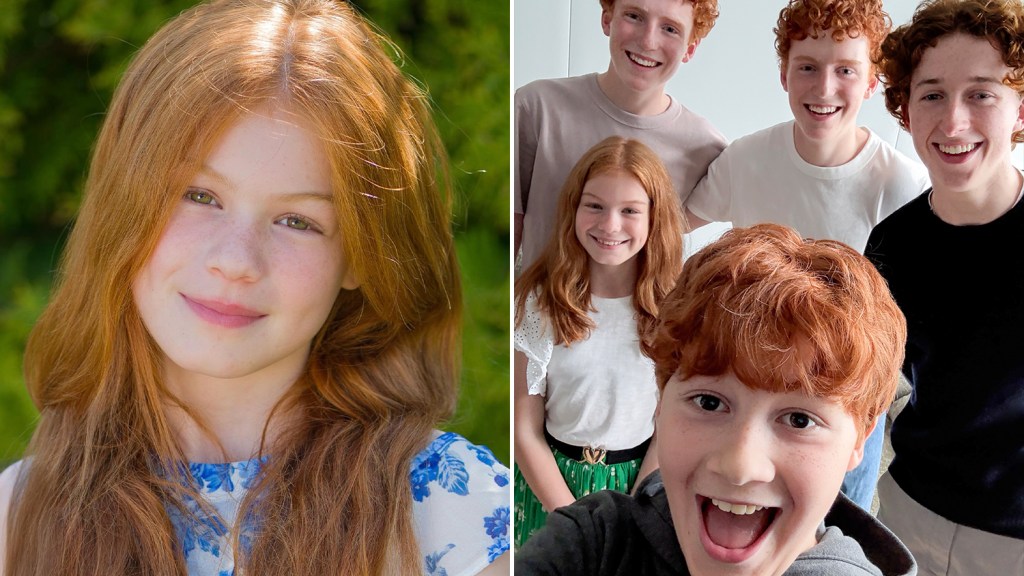
HBO faces a pivotal strategic and operational juncture following Gracie Cochrane’s departure from the role of Ginny Weasley. As the highly anticipated Harry Potter series transitions from its foundational first season to a narratively dense second, this recasting demands immediate action to maintain crucial visual and emotional continuity for a global audience deeply invested in the source material. Attributed to unforeseen circumstances by the Cochrane family, this necessitates an urgent return to the casting process, led by Lucy Bevan, to secure a replacement ahead of the scheduled fall production start for Season 2.
The imperative for recasting stems directly from Ginny Weasley’s accelerated narrative evolution. While her presence in ‘Harry Potter and the Philosopher’s Stone’ remains largely peripheral – confined to transitional scenes like King’s Cross – her arc dramatically expands in the subsequent story. Season 2 elevates Ginny from a background ensemble member to a central plot driver, demanding an actor capable of shouldering a significantly increased performance burden and portraying deeper emotional complexity. This strategic casting decision is critical for the long-term integrity of the series’ character development.
Operational Velocity and Logistical Hurdles
Cochrane’s exit, coinciding with the wrap of Season 1 production and preceding a fall start for Season 2, presents significant operational velocity challenges. The compressed window for identifying, vetting, and integrating a new lead actor risks impacting pre-production timelines for a project already defined by its exhaustive global casting search. Furthermore, this situation underscores the inherent volatility in casting child actors for multi-year franchise commitments. HBO’s public support for the Cochrane family’s decision highlights the institutional sensitivity required to balance stringent professional demands with the personal development and unforeseen circumstances that can arise with young performers. Such recasting events, while not unprecedented, necessitate a strategic recalibration of production schedules and a heightened focus on talent integration to preserve the series’ continuity and narrative pacing.
Strategic Franchise Stewardship and Market Implications
The television format’s commitment to a season-length treatment for each book amplifies the strategic importance of every casting decision, granting characters like Ginny Weasley significantly more screen time and developmental depth than in the original films. This approach makes mid-series recasting a profound structural event, impacting the long-form narrative’s integrity. Executive oversight by a formidable team – including Mark Mylod, J.K. Rowling, Neil Blair, Ruth Kenley-Letts, and David Heyman – underscores a deliberate architecture for long-term brand fidelity. Their collective stewardship ensures that even pivotal changes are managed within a framework prioritizing the franchise’s sustained health. For HBO and HBO Max, the Harry Potter series is a foundational content pillar, critical for subscriber acquisition and retention, particularly ahead of its crucial Christmas Season 1 debut. Any production disruption to Season 2 could therefore ripple through the platform’s content pipeline, affecting its competitive stance in the high-fantasy streaming market.
Casting Methodology and Integration Strategy
The rigorous casting methodology employed by Lucy Bevan for the initial global search now proves invaluable. Leveraging insights from the tens of thousands of submissions previously reviewed, the production team can expedite the identification of a replacement for Ginny Weasley. This process transcends mere physical likeness; it demands a performer capable of seamlessly integrating into an established ensemble and delivering the necessary emotional depth for Ginny’s expanded character arc in Season 2. Showrunner Francesca Gardiner’s creative leadership, in collaboration with director Mark Mylod, will be crucial in ensuring this transition maintains narrative momentum and avoids alienating the core fanbase. Brontë Film and TV, alongside HBO, must carefully manage public perception, a task facilitated by the transparent and supportive joint statements regarding Cochrane’s departure, designed to mitigate reputational risks inherent in high-profile cast changes.
Platform Value and Adaptation Fidelity
For HBO Max, the Harry Potter series is a cornerstone intellectual property, integral to its value proposition and subscriber engagement strategy. The successful navigation of this recasting is therefore a direct priority for the platform. The commitment to a book-per-season adaptation underscores a fidelity to detailed storytelling, which inherently elevates the significance of each character’s portrayal. Ginny Weasley’s amplified role in Season 2 exemplifies the narrative depth fans anticipate, a direct contrast to her condensed portrayal in the original films. This necessitates a performer capable of meeting the episodic format’s increased demands, validating the decision to recast rather than diminish the character’s presence. The industry will closely observe HBO’s management of this high-profile transition, viewing it as a benchmark for long-term, child-led franchises in the streaming era. The ultimate measure of success extends beyond the new actor’s performance, encompassing the production’s ability to maintain its schedule and deliver a cohesive, compelling second season.
Strategic Realignment for Franchise Longevity
The recasting of Ginny Weasley, necessitated by Gracie Cochrane’s departure, unequivocally highlights the intricate operational and creative challenges inherent in adapting a multi-decade literary saga. HBO’s response reflects a profound commitment to the project’s long-term narrative integrity and the well-being of its cast. Given Ginny Weasley’s burgeoning central role in the critical second season, this strategic realignment is not merely a tactical adjustment but a foundational decision for the series’ future. The ongoing casting search, maintaining the rigorous standards of the initial global effort and guided by key stakeholders like J.K. Rowling and David Heyman, ensures the project remains anchored to its core values. As the fall production start approaches, the seamless integration of the new Ginny Weasley will serve as a crucial test, determining the series’ trajectory and validating HBO’s ambitious strategy to redefine the Harry Potter franchise for a new generation. Successfully navigating this transition is paramount for the series’ anticipated Christmas debut and its sustained success into future seasons.