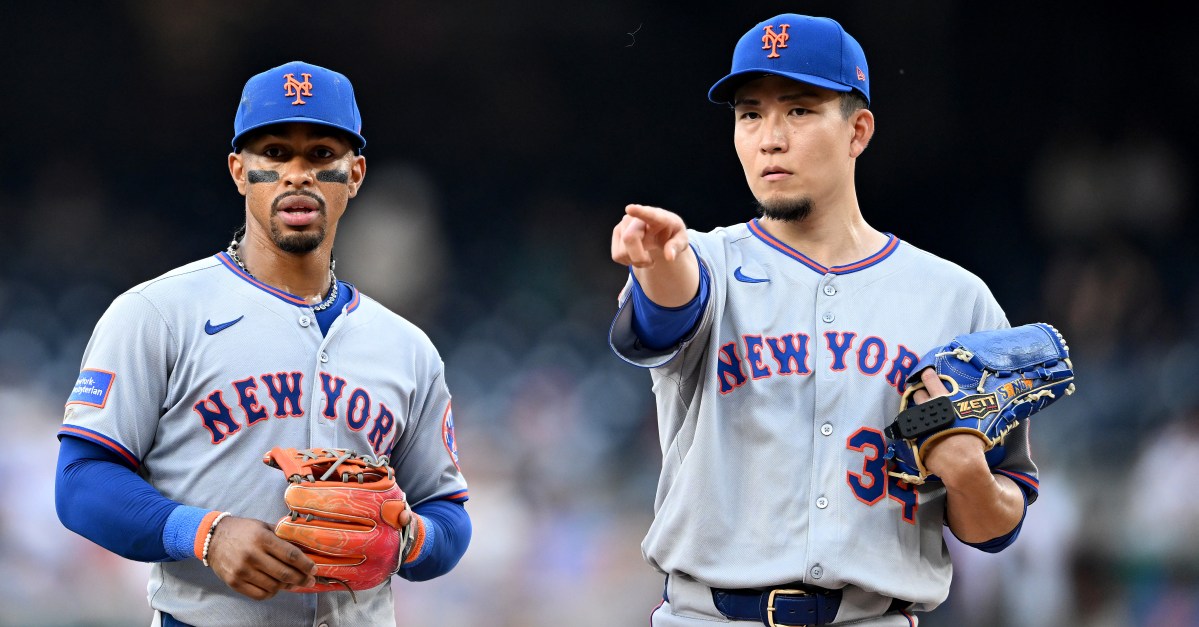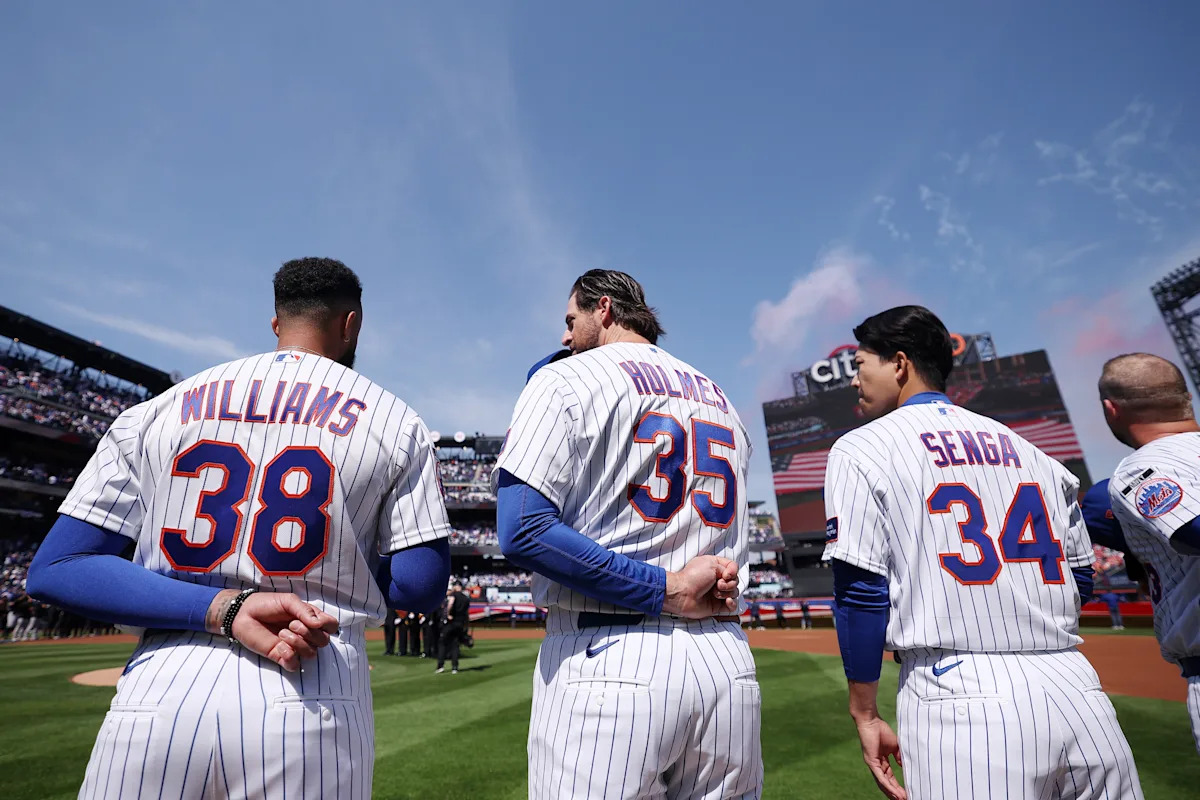
The New York Mets initiate their 2026 road campaign at Busch Stadium, carrying a 2-1 record following a statistically productive opening series. This matchup serves as a primary stress test for the team’s restructured rotation and its ability to translate offensive momentum from Citi Field to the more volatile environment of St. Louis. The organizational objective centers on reconciling high-leverage pitching metrics with an increasingly disciplined batting order.
Pitching Disparity: Command vs. Velocity
Clay Holmes takes the mound for New York, presenting a 2025 profile defined by high-ceiling potential dampened by regression in command. While his 12-8 record and 3.53 ERA suggest reliability, a 1.30 WHIP and 66 walks indicate a susceptibility to high-traffic innings. Against a Cardinals lineup known for disciplined plate appearances, Holmes’ reliance on late-movement sinkers will be tested by the humidity of the Missouri climate, which can alter grip and break consistency.
Conversely, the Cardinals deploy Kyle Leahy, a pitcher whose 2025 data (3.07 ERA, 1.23 WHIP) underscores a philosophy of strike-zone efficiency. By issuing only 28 walks in his previous campaign, Leahy represents a stylistic antithesis to Holmes. The strategic outcome of the early innings will likely hinge on whether the Mets’ aggressive hitters can disrupt Leahy’s rhythm or if his precision will force New York into low-leverage groundball outs.
Offensive Depth and Prospect Integration
The Mets’ offensive identity has shifted toward a high-leverage model with the inclusion of Bo Bichette and Carson Benge. Bichette’s transition has emphasized situational utility, while Benge’s rapid maturation is evidenced by a power-speed profile that forces defensive shifts. Benge’s ability to recover from high-velocity strikeouts to produce extra-base hits provides a secondary scoring engine behind Francisco Lindor, whose elite baserunning remains a primary catalyst for run production.
This tactical flexibility is crucial at Busch Stadium, where historical 2025 data suggests a lack of scoring consistency for visiting teams. Although the Mets secured a 4-2 season series advantage last year, their performance in St. Louis was marked by a doubleheader sweep loss, highlighting the venue’s inherent volatility and the Cardinals’ capacity for defensive resilience at home.
Market Valuation and Environmental Variables
Betting markets have established the Mets as -155 favorites, implying a 57.8% win probability. This valuation accounts for the Mets’ superior offensive ceiling but is tempered by a +125 underdog status for the Cardinals, reflecting the risk associated with Holmes’ walk rate on the road. The -1.5 spread suggests an expectation of a marginalized victory, where late-inning bullpen management will be the deciding factor in capital preservation.
Atmospheric conditions—specifically a projected 83-degree temperature—introduce a physical variable that favors offensive flight. For pitchers, the elevated temperature accelerates fatigue, potentially necessitating an earlier transition to middle relief. This environment places a premium on the Mets’ bullpen depth, which must neutralize the Cardinals’ ability to exploit tired starters in the middle thirds of the game.
Strategic Outlook
Success for the Mets on March 30 requires a reduction in self-inflicted baserunners. If Holmes maintains a strike rate above his 2025 average, the Mets’ offensive depth should theoretically overwhelm Leahy’s precision-based approach. However, should the Cardinals exploit the humidity to extend pitch counts, the game will shift into a battle of attrition that favors the home team’s institutional familiarity with Busch Stadium’s unique playing conditions.