Strategic Capital Allocation: The Suarez Investment
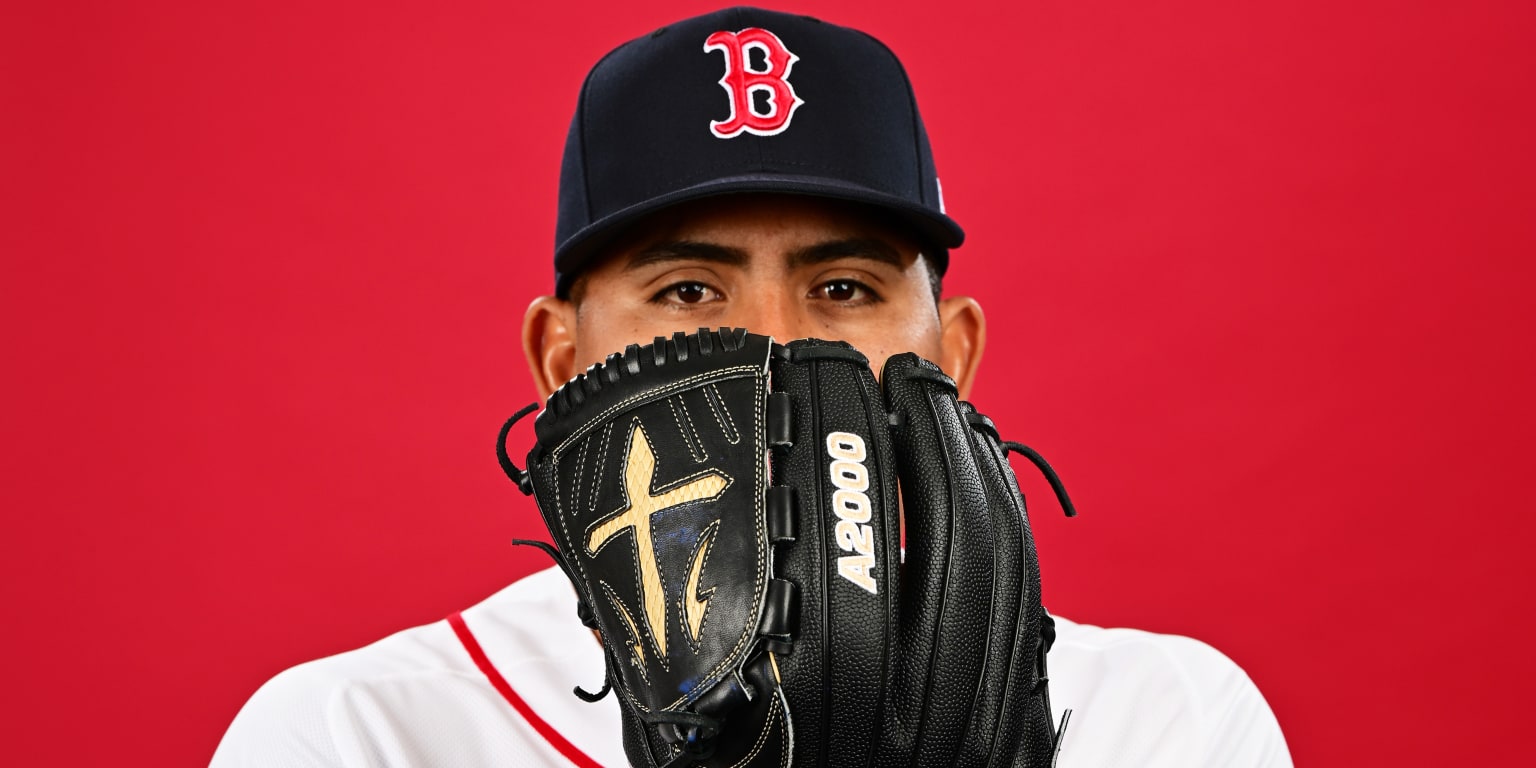
The Boston Red Sox initiate their series against the Houston Astros at Daikin Park by activating their primary offseason acquisition, Ranger Suarez. The five-year, $130 million contract inked in January represents a calculated shift by Chief Baseball Officer Craig Breslow to solidify a high-floor secondary tier behind ace Garrett Crochet. Suarez’s debut at 8:10 p.m. ET serves as the first empirical test of this capital allocation, prioritizing contact management and postseason durability over traditional regular-season volume metrics.
Suarez arrives with a distinguished October pedigree, evidenced by a lifetime 1.48 postseason ERA. This acquisition strategy addresses a historical deficiency in Boston’s rotation: the lack of high-leverage stability. Following a series loss to Cincinnati where Sonny Gray struggled with efficiency—surrendering four runs across four innings—the pressure on Suarez to provide an immediate stabilizing influence is acute. The organization is betting that Suarez’s career 117 ERA+ will act as a hedge against the performance volatility seen in younger arms and veteran trade acquisitions.
Rotation Hierarchy and Postseason Benchmarking
The structural logic of the current Red Sox rotation rests on the stylistic juxtaposition of its leaders. While Crochet provides elite strikeout potential, Suarez offers institutional consistency and the ability to navigate high-pressure environments. Facing Lance McCullers Jr. in the controlled environment of Daikin Park provides a baseline for evaluating Suarez’s command and pitch-mix effectiveness within a new divisional context. This matchup is an institutional benchmark, measuring Boston’s revamped rotation against a perennial American League contender.
Lineup Optimization and Tactical Continuity
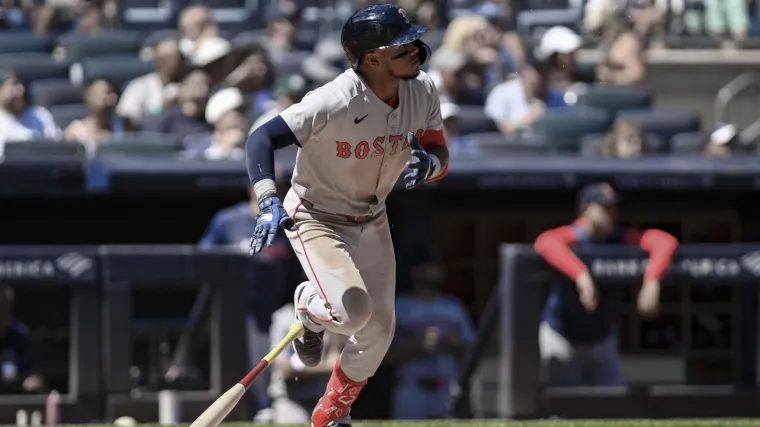
Manager Alex Cora has maintained tactical stability in the batting order, deploying the same configuration used against right-hander Rhett Lowder. This data-driven approach prioritizes Roman Anthony in the leadoff spot to maximize on-base percentage ahead of Trevor Story. The decision to keep Jarren Duran in the designated hitter role while retaining Anthony in left field highlights a strategic preference for offensive optimization over defensive versatility.
Wilyer Abreu remains in the five-hole, a direct response to his recent power surge involving two doubles and two home runs in the previous series. His presence is essential for protecting Willson Contreras and ensuring the lineup maintains offensive momentum through the middle innings. Furthermore, the catching assignment for Carlos Narváez is a critical operational choice; his familiarity with the staff’s requirements is expected to streamline Suarez’s integration into the Red Sox’s defensive system.
Infield Integration and Prospect Trajectory
The continued deployment of Marcelo Mayer at second base signifies an organizational commitment to his development in a primary role. Mayer’s third consecutive start, paired with Caleb Durbin at third base, suggests that Cora is valuing process and underlying defensive metrics over short-term statistical fluctuations. Durbin’s retention in the sixth spot, despite a recent hitless stretch, indicates confidence in his ability to rebound against Houston’s right-handed starters.
The $200 million-plus aggregate investment in Suarez, Gray, and Crochet necessitates immediate returns to justify the aggressive payroll restructuring. For Boston, this game is a narrative reset; a dominant performance from Suarez would validate Breslow’s offseason thesis. Conversely, a struggle would intensify scrutiny regarding the team’s ability to compete with the elite rotations of the American League West. Ultimately, the Suarez debut is the physical manifestation of a multi-year plan to return the Red Sox to the top tier of Major League rotations through aggressive talent acquisition and analytical precision.