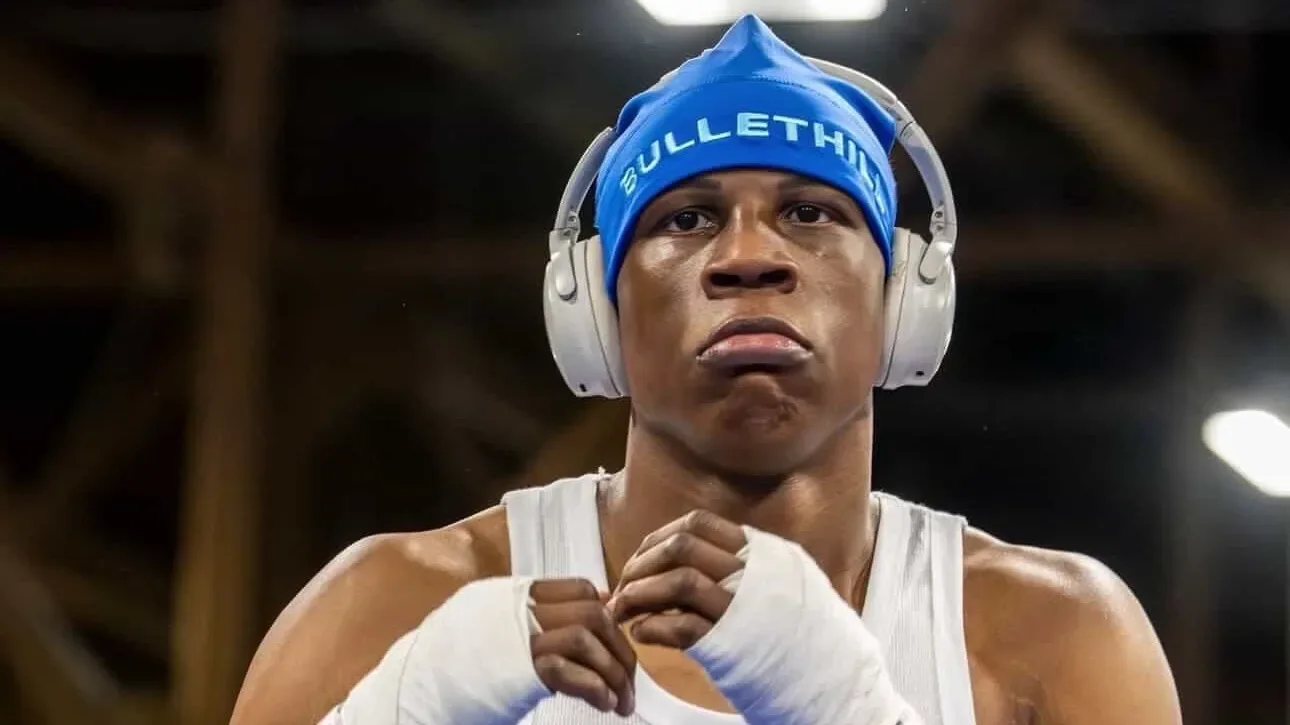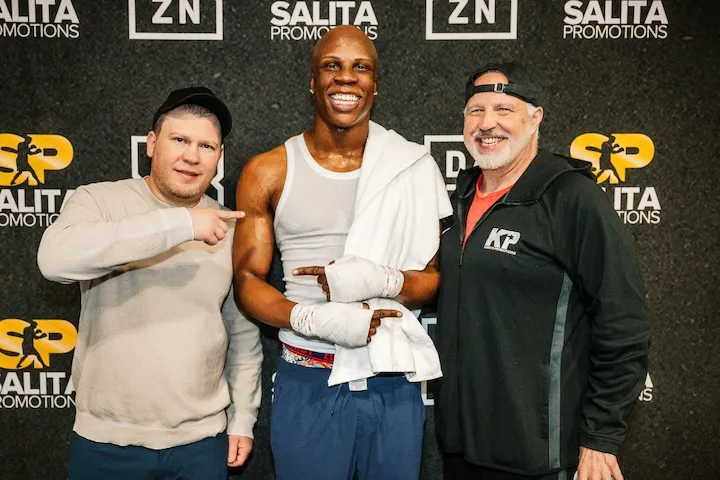
Fighter Collapse on Major Undercard Exposes Boxing’s Perilous Landscape
The dramatic mid-fight collapse of light heavyweight boxer Joseph George during his bout against Atif Oberlton on the Claressa Shields vs. Franchon Crews-Dezurn II undercard has thrust the inherent dangers and intense pressures of professional boxing into stark relief. Occurring after the first round, George exhibited a delayed reaction, falling to the canvas and necessitating immediate medical attention, underscoring the critical role of ringside medical personnel at high-profile events.
George’s collapse, potentially linked to a head clash, reveals the unpredictable physiological responses to trauma in combat sports, including delayed effects. His visible confusion and inability to recover on his stool before being escorted away marked a critical juncture where competitive drive must yield to urgent medical intervention, a visceral reminder of the physical toll on athletes.
Opponent Atif Oberlton displayed commendable sportsmanship, prioritizing George’s well-being. His statement, “I’m so glad that he got up on his feet and that he’s OK,” transcends the immediate competitive outcome, reflecting a shared awareness of the sport’s risks and the primacy of human health over win-loss records.
This incident on a significant platform like DAZN, particularly as a co-main event, intensifies scrutiny on safety protocols. While comprehensive medical teams are standard, George’s situation demonstrates that even with these measures, boxing’s inherent risks remain substantial and can manifest unpredictably.
The event spotlights the complex interplay between a fighter’s career trajectory, promotional strategies, and athlete welfare. Oberlton’s undefeated record and placement on a major card signaled promotional investment in his potential. However, the circumstances of his victory inevitably shift the narrative toward broader concerns of fighter safety within the promotional machine.
Placing Oberlton on such a prominent undercard was a calculated move to elevate his profile. The unexpected nature of his win, while technically beneficial, inextricably links his career advancement to a significant health incident, complicating his ascendant storyline.
For promoters and sanctioning bodies, such events serve as a critical, albeit unwelcome, review of safety infrastructure and emergency response. The substantial financial investment in high-profile bouts is directly tied to the perceived safety and integrity of the competition; a severe incident could have profound repercussions on future events, insurance, and public perception.
The boxing industry faces ongoing pressure to balance spectacle and commercial appeal with athlete protection. The narrative surrounding Oberlton’s win, overshadowed by George’s collapse, underscores the delicate equilibrium required, compelling a re-evaluation of risk management and communication in an era where fighter safety is paramount.
Questions arise regarding the cumulative impact of blows and the potential for delayed neurological effects. The delayed collapse suggests a reaction more complex than an immediate knockout, highlighting the need for comprehensive medical understanding of long-term consequences beyond the fight itself.
The circumstances of Oberlton’s victory will inevitably be part of his professional narrative. His focus on his opponent’s health demonstrates a maturity that may resonate with fans and industry observers, potentially shaping his public image.
Economically, while successful events drive revenue, safety incidents can lead to reputational damage, increased regulatory oversight, and legal liabilities. The investment in building a star like Oberlton now carries the burden of navigating the fallout from an opponent’s serious injury.
Media framing is crucial. Reports detailing George’s “frightening delayed reaction” convey the gravity, while subsequent focus on Oberlton’s concern offers a nuanced perspective, addressing the human drama and ethical considerations within boxing.
The competitive landscape for light heavyweights is dynamic. Oberlton’s undefeated status and prominent placement indicated upward mobility. However, the unusual nature of this win may necessitate a revised strategic positioning that acknowledges the sport’s inherent fragility and the paramount importance of fighter health.
The long-term impact on Joseph George’s career hinges on his recovery and medical clearance. This incident is a stark reminder that athletic pursuit in boxing carries profound physical risks, and the industry’s commitment to mitigating these will remain under intense scrutiny.
The events surrounding the Oberlton vs. George fight encapsulate the broader challenges: the industry thrives on drama but must continually grapple with the ethical imperative of safeguarding athlete well-being, ensuring victory doesn’t incur an unacceptable human cost.
Strategic decisions by promoters, trainers, and sanctioning bodies post-incident are critical, influencing immediate careers and the sport’s long-term perception. The reported emphasis on Oberlton’s concern for George suggests a narrative shift prioritizing athlete welfare alongside competitive outcomes.
Transparency in reporting medical incidents is vital. Detailed accounts of George’s collapse provide valuable information for understanding head trauma effects, informing safety protocols and medical research.
Immense financial incentives in boxing can create pressure to proceed with bouts despite safety concerns. Incidents like George’s collapse powerfully counter this, demonstrating that human cost can outweigh financial gain, influencing high-level administrative decisions.
The competitive implications for other light heavyweights are notable. While Oberlton’s record improves, the unusual win may prompt scrutiny, potentially influencing matchmaking and rival promotional strategies.
The media’s role in shaping public perception is amplified. Reporting that highlights athlete welfare and ethical conduct can be as influential as depicting knockout power, impacting how fans and new audiences view the sport.
In conclusion, Joseph George’s frightening collapse is a critical juncture, demanding renewed commitment to fighter safety and transparent risk management. The focus shifts to George’s recovery and the broader implications for event management and communication, ensuring boxing’s spectacle does not compromise its athletes’ well-being.