Recalibrating the 2026 Performance Delta
The 2026 Austrian Grand Prix qualifying session has provided a definitive diagnostic on the current development curve, exposing systemic vulnerabilities within Red Bull’s technical ecosystem while validating the aerodynamic maturation of the Mercedes W17. George Russell’s pole position—secured despite a mandatory lift for yellow flags—signals a shift in the performance delta. This result grants Mercedes strategic leverage, placing their drivers in a P1-P4 formation that effectively brackets the Ferrari SF-26 duo, complicating race-day energy deployment and pit-stop optimization.
The Physics of the Yellow Flag Delta
Russell’s ability to absorb the time deficit of a final-sector lift suggests an extraordinary level of aerodynamic efficiency. Under the 2026 regulatory framework, maintaining mid-corner stability while optimizing ERS recovery is paramount; Russell’s telemetry indicates that the Mercedes chassis can compensate for localized speed restrictions through superior exit-speed recovery. For the FIA, this lap serves as a benchmark for safety-related delta compliance, forcing competitors to scrutinize how Mercedes optimizes throttle mapping to meet safety spirit without sacrificing total lap integrity.
Ferrari’s Tactical Consolidation
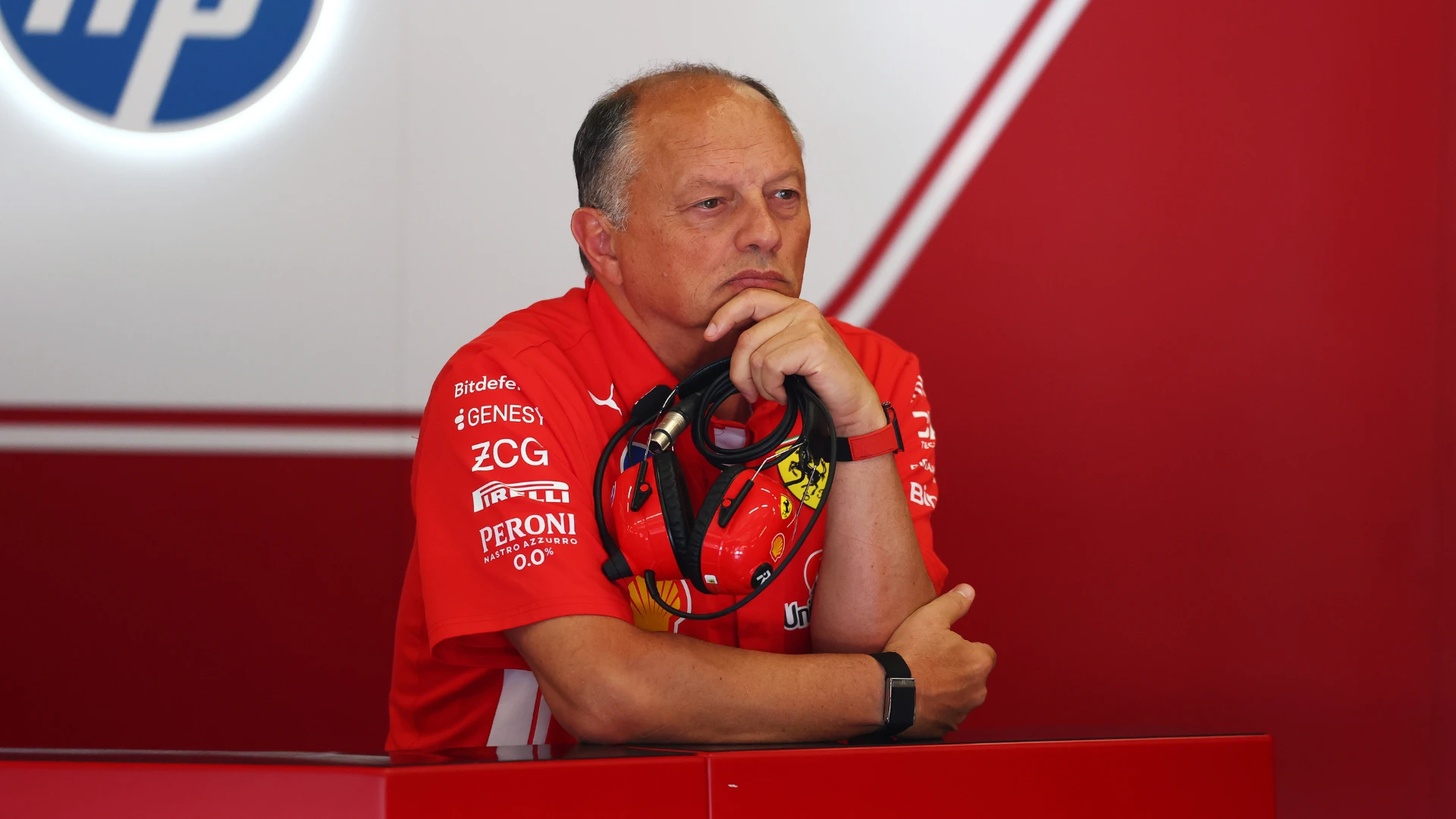
Team Principal Fred Vasseur has pivoted Ferrari toward institutional pragmatism, prioritizing a P2-P3 lockout over high-risk qualifying glory. By securing the front row with Charles Leclerc and the second row with Lewis Hamilton, Ferrari is positioned to exploit the Spielberg circuit’s unique slipstream dynamics. This alignment facilitates split-strategy execution, designed to force Mercedes into defensive pit cycles. Vasseur’s rhetoric suggests a confidence in the SF-26’s superior tire thermal management, a critical factor given the high-downforce demands of the Red Bull Ring.
Red Bull’s Institutional Liability
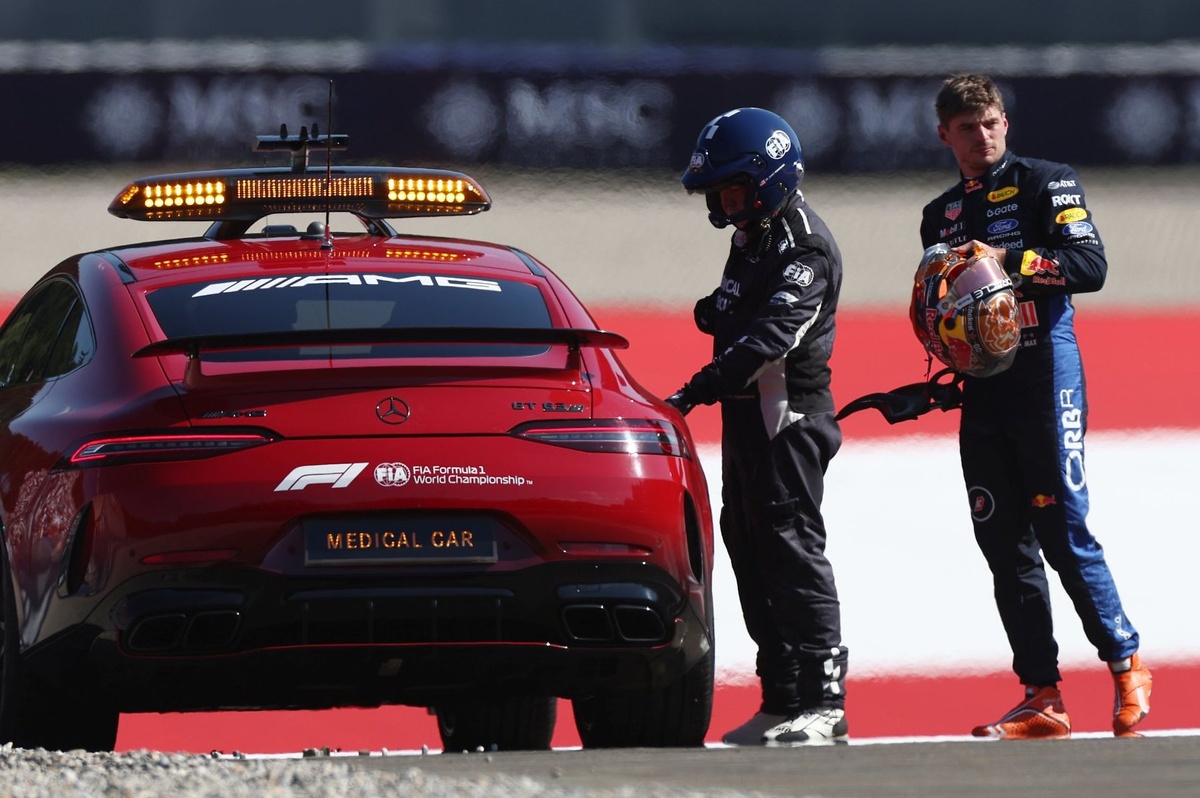
The public apology issued to Max Verstappen following his technical failure marks a calculated effort at damage control. By attributing the crash to hardware failure rather than driver error, Red Bull preserves its lead driver’s psychological momentum but exposes a failure in quality control at their home circuit. This incident raises concerns regarding the reliability of the 2026 power unit under high-load transitions. Furthermore, the financial implications within the cost cap—necessitated by chassis repairs—could delay future aerodynamic updates, handing a long-term developmental advantage to Mercedes and Ferrari.
The Emergence of Kimi Antonelli
Kimi Antonelli’s P4 qualification confirms that Mercedes’ resurgence is not driver-dependent but inherent to the W17 platform. A rookie securing a second-row start in a high-variance session underscores the car’s drivability. This depth allows Mercedes to deploy Antonelli as a tactical buffer, shielding Russell from Ferrari’s early-lap pressure. As the season progresses, this two-car parity puts immense pressure on Red Bull’s second seat and forces Ferrari into a multi-front tactical war.
Conclusion: A Strategic Pivot Point
The Spielberg grid is a diagnostic report on F1’s new hierarchy. As teams move toward the race, the focus shifts from raw pace to institutional resilience. The outcome will depend on Red Bull’s ability to rectify systemic faults under parc fermé and whether the Mercedes ‘sandwich’ can withstand Ferrari’s strategic maturity. This session marks the end of undisputed Red Bull reliability and the beginning of a genuine three-way title contention.