The Structural Transition to Single-Elimination Football
The conclusion of the seventy-two group stage matches marks a critical operational pivot for organizers, broadcasters, and member associations. Transitioning from a round-robin format to a thirty-two-team single-elimination bracket fundamentally alters the competitive matrix. Teams can no longer rely on point accumulation or goal-differential safety nets; the strategic imperative shifts entirely to immediate survival, where single-match tactical efficiency dictates progression.
This high-stakes environment introduces zero-margin-for-error conditions. For national federations, advancing through the bracket directly correlates with exponential increases in performance bonuses, licensing royalties, and long-term partnership valuations. Simultaneously, the sudden-death dynamic intensifies physical and psychological demands on players, forcing coaching staffs to optimize workload management and sports science protocols to mitigate fatigue-induced performance decay.
From an administrative standpoint, the bracket phase optimizes logistical allocation. Compressing the field to thirty-two teams allows organizers to consolidate security, transportation, and hospitality assets across key venues. This operational centralization mitigates the logistical friction of a multi-city tournament, optimizing transit corridors and ensuring premium-tier stadium operations for high-profile matches.
Commercial and Geopolitical Leverage of Host Nation Progression
The progression of the host nations to the knockout phase is a critical financial driver for local organizing committees and corporate sponsors. Sustained domestic participation protects primetime broadcast ratings, elevates ad-spot valuations, and stimulates consumer spend across hospitality and retail ecosystems. Historical data indicates that host-nation elimination correlates with a steep decline in local tournament-related retail volume and secondary-market ticket yields.
The macroeconomic impact extends beyond short-term tourism metrics. Municipalities and public-private partnerships rely on sustained tournament momentum to justify large-scale capital expenditures on transit systems and stadium upgrades. Host-nation visibility in the Round of 32 validates these infrastructure investments, sustaining public engagement and maximizing long-term civic utility.
Geopolitically, competitive success on home soil enhances soft power and validates domestic sports science and youth development pathways. For host federations, deep tournament runs serve as powerful marketing mechanisms for their domestic leagues, attracting foreign direct investment, expanding broadcast distribution rights, and elevating the overall valuation of the sport’s domestic infrastructure.
Tactical Evolution and Managerial Adaptations
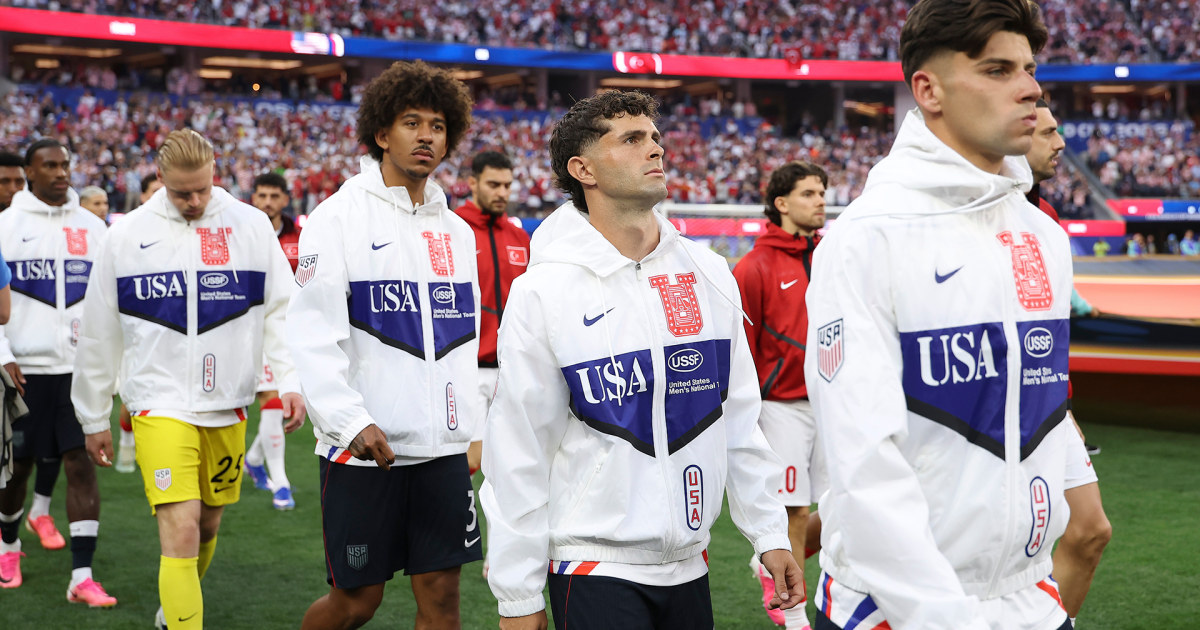
The knockout stage highlights contrasting tactical models and managerial philosophies. The United States national team, under Mauricio Pochettino, has deployed a high-intensity vertical model. This system prioritizes rapid transition phases, aggressive counter-pressing blocks, and direct attacking verticality designed to destabilize opposing defensive shapes before they can establish structural organization.
Executing this model requires exceptional squad depth and precise athletic conditioning. While verticality exploits defensively passive opponents, it exposes teams to counter-pressing vulnerabilities and late-match physical degradation. The viability of this high-tempo approach in single-elimination scenarios depends on in-game adjustments and structural discipline.
Conversely, Didier Deschamps’ French national team exemplifies pragmatic, structurally resilient tournament football. Despite an unconvincing first half in their opening match against Senegal at MetLife Stadium, the squad has consistently calibrated its tactical output to match its high-ceiling theoretical potential. This capacity for iterative, tournament-long refinement is characteristic of elite squads that prioritize defensive stability and clinical game management over aesthetic dominance.
The Premium Value of Global Star Power
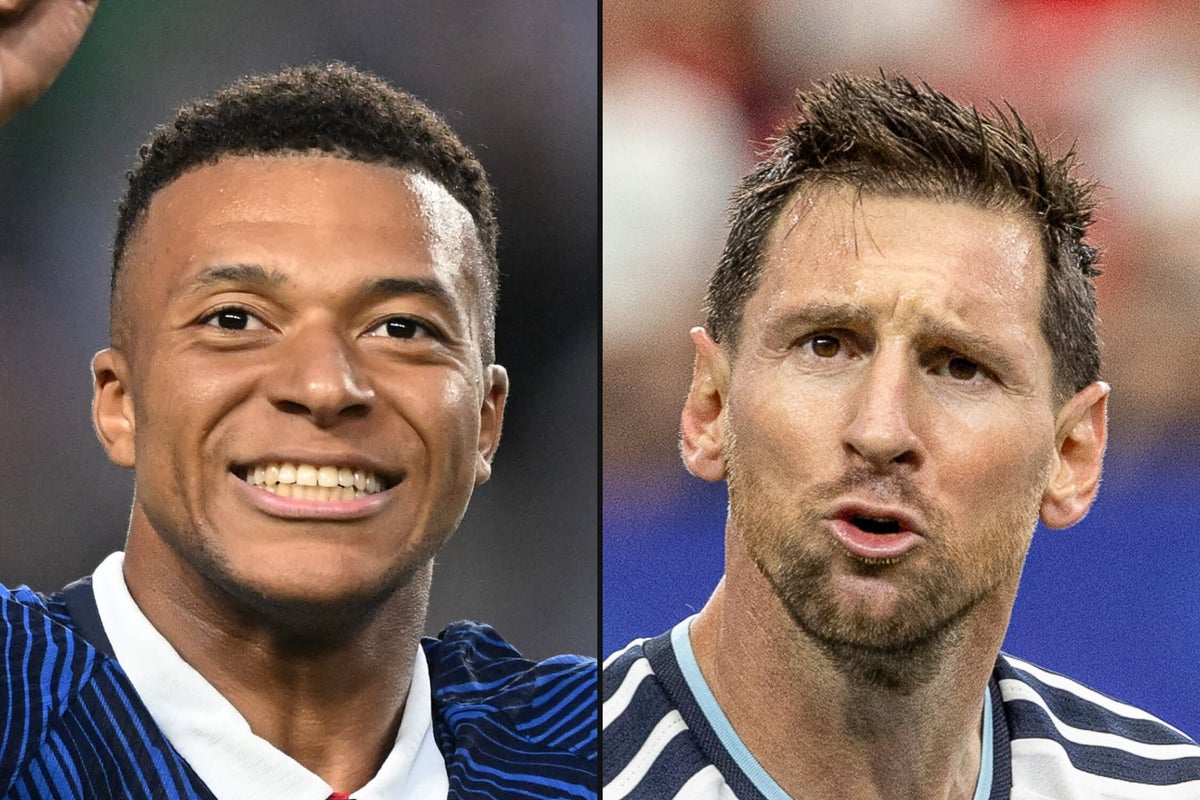
The retention of elite international icons like Lionel Messi, Kylian Mbappé, Erling Haaland, and Harry Kane in the knockout phase drives global media monetization. These athletes function as independent corporate brands, capturing casual consumer segments and maximizing return on investment for broadcast rightsholders and global sponsors through high-value commercial integrations.
On the pitch, these players exert immense tactical gravity. Opposing managers must design asymmetrical defensive schemes to neutralize them, creating structural exploits that benefit secondary attackers. This tactical leverage makes multi-star rosters highly resilient in low-scoring, high-pressure knockout environments.
Furthermore, individual performances in these high-stakes fixtures dictate Ballon d’Or projections, transfer market valuations, and personal endorsement portfolios. A decisive moment in the knockout rounds can permanently alter a player’s market capitalization and club-level negotiating leverage, aligning individual commercial motivations with national team objectives.
Operational Standards and Cultural Diplomacy
Beyond competitive play, the tournament establishes international operational benchmarks and facilitates cultural exchange. The disciplined conduct of Japanese supporters and players, who systematically clean locker rooms and stadium bowls post-match, illustrates the positive impact of civic values on large-scale event operations. This practice has been integrated into stadium management case studies as a model for waste-reduction efficiency.
From a venue operations perspective, these initiatives reduce stadium turnaround times and post-event labor costs while promoting spectator accountability. This cultural footprint encourages organizing committees to integrate sustainable waste-management protocols into future tournament frameworks. The positive media narrative also enhances the participating nation’s soft-power credentials.
Accommodating diverse fan cultures forces organizing committees to implement agile stadium management protocols. Venues must adapt to varied consumption patterns, language profiles, and security expectations. Successfully managing these operational variables is critical to maintaining safety, inclusivity, and logistical efficiency across all host venues.
The Analytical Framework of Media Forecasting
The proliferation of bracket projections and qualitative analyses from outlets like *The Athletic* shapes public perception and drives sports-entertainment engagement. These models evaluate historical data, tactical matchups, and squad depth to project tournament pathways and identify potential upsets, generating sustained digital traffic and sports betting volume.
These analytical narratives exert psychological pressure on squads and coaching staffs. Teams labeled as tournament favorites face intense domestic scrutiny, which can impact locker room dynamics. Conversely, projected underdogs often play with reduced tactical inhibition, using media narratives to foster high-motivation environments conducive to tactical upsets.
This media coverage also acts as an educational conduit for casual viewers, translating complex tactical setups and advanced metrics into accessible narratives. By demystifying technical elements, sports journalism deepens fan engagement and fosters long-term market growth, particularly in developing soccer markets where commercial expansion is a primary administrative goal.
Systemic Implications for International Football Governance
Executing a 32-team knockout bracket across three co-host nations offers critical insights for the future governance of international football. The level of inter-governmental, municipal, and institutional cooperation required represents an unprecedented administrative exercise, setting the structural baseline for future multi-hosted sports tournaments.
The financial performance of this expanded tournament format will dictate future international calendar structures. If the expanded format matches revenue projections without diluting sporting integrity, governing bodies will likely institutionalize expanded tournament frameworks. However, this commercial drive must be balanced against player welfare, international fixture congestion, and the carbon footprint of multi-national travel.
Ultimately, the 2026 knockout bracket is an intersection of athletic performance, global capital, and international diplomacy. The sporting outcomes of these matches will crown a world champion, while the operational and economic data collected will reshape the commercial and structural trajectory of global football for decades to come.