Recalibrating Global Hierarchies: The Stormont Breakthrough
Ireland’s 34-run victory over India in their T20 international opener at Stormont represents more than a localized upset; it is a structural disruption to established international cricketing hierarchies. Achieved despite the absence of six frontline Irish players due to injury, this performance before a capacity crowd of 4,000 challenges the traditional resource-to-performance correlation. By defeating a highly favored Indian squad, Ireland has demonstrated the expanding competitive parity in modern cricket, highlighting how tactical discipline can offset systemic infrastructure disparities.
For Associate-level and emerging Full Member nations, historic victories of this caliber serve as crucial institutional validation. They provide quantifiable evidence to the International Cricket Council (ICC) that decentralizing resources and expanding bilateral fixtures yields a more competitive, commercially viable global product. Rather than an anomalous ‘giant-killing’ event, this result underscores a sustained developmental evolution within Ireland’s high-performance apparatus.
Institutional Leverage and Strategic Reassessment
For Cricket Ireland, the commercial and diplomatic yield of this triumph is substantial. High-profile victories over major market drivers like the Board of Control for Cricket in India (BCCI) directly enhance domestic broadcasting rights valuation, attract premium corporate sponsorships, and strengthen the national board’s leverage when negotiating future bilateral series. This revenue-generating cycle is vital for sustaining grassroots academies and improving professional domestic contracts.
Conversely, the defeat compels the BCCI to conduct an immediate diagnostic assessment of its secondary roster depth and tactical adaptability in unfamiliar conditions. For a nation positioned at the financial and competitive center of global cricket, losing to a less-resourced squad exposes vulnerabilities in squad selection, player transition pipelines, and acclimatization protocols. This result shifts the narrative pressure back onto Indian selectors to refine their developmental pathways ahead of major international tournaments.
The Pragmatics of Youth Integration: The Sooryavanshi Dilemma
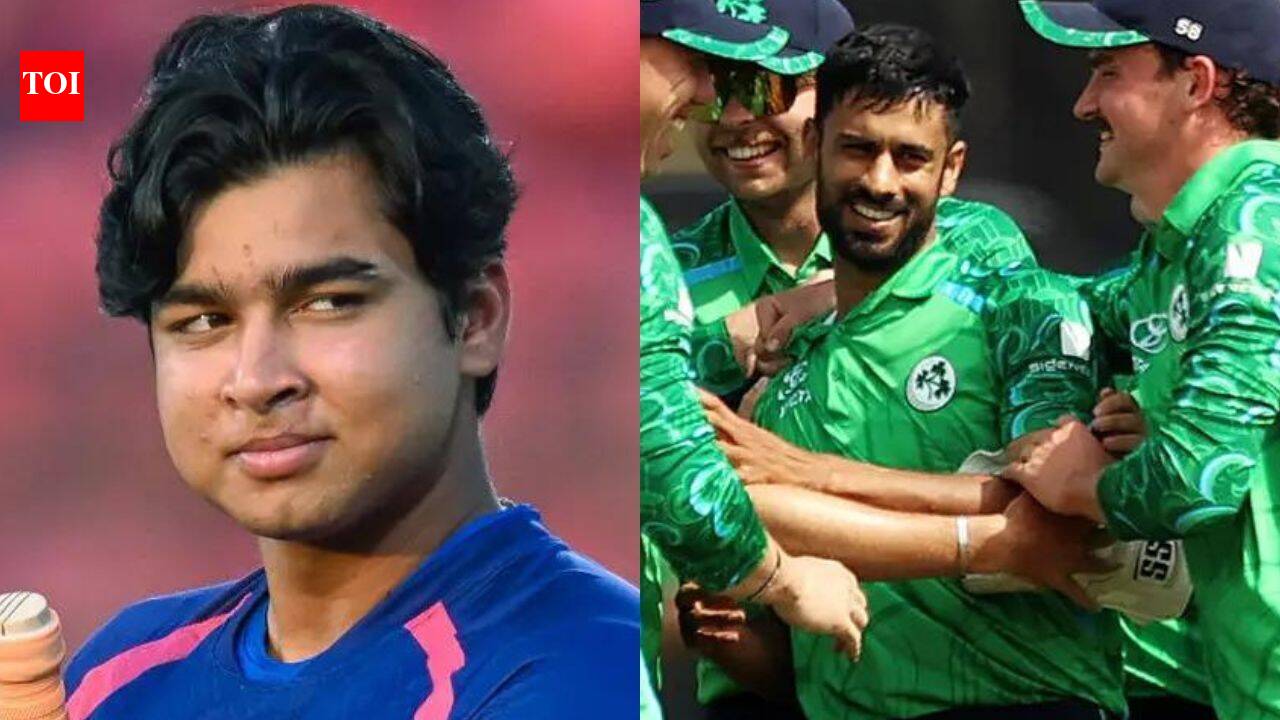
A significant focal point of the series was the potential international debut of 15-year-old batting prodigy Vaibhav Sooryavanshi. His exclusion from the final playing eleven, despite intense media anticipation, highlights the strategic tension selectors face when balancing immediate competitive demands against long-term athlete welfare and load management. Integrating ultra-young talent into high-stakes senior environments requires a careful assessment of psychological readiness and physical sustainability.
The discourse surrounding Sooryavanshi’s developmental trajectory was contextualized by Ireland’s India-born paceman, Jai Moondra. Moondra’s assertion that raw talent transcends traditional age-grade timelines reflects a broader shift in professional sports, where technical maturity is increasingly prioritized over chronological age. However, India’s decision to withhold Sooryavanshi suggests a highly conservative risk-management strategy designed to protect a valuable long-term asset from premature scrutiny.
Diaspora Mobility and Tactical Optimization
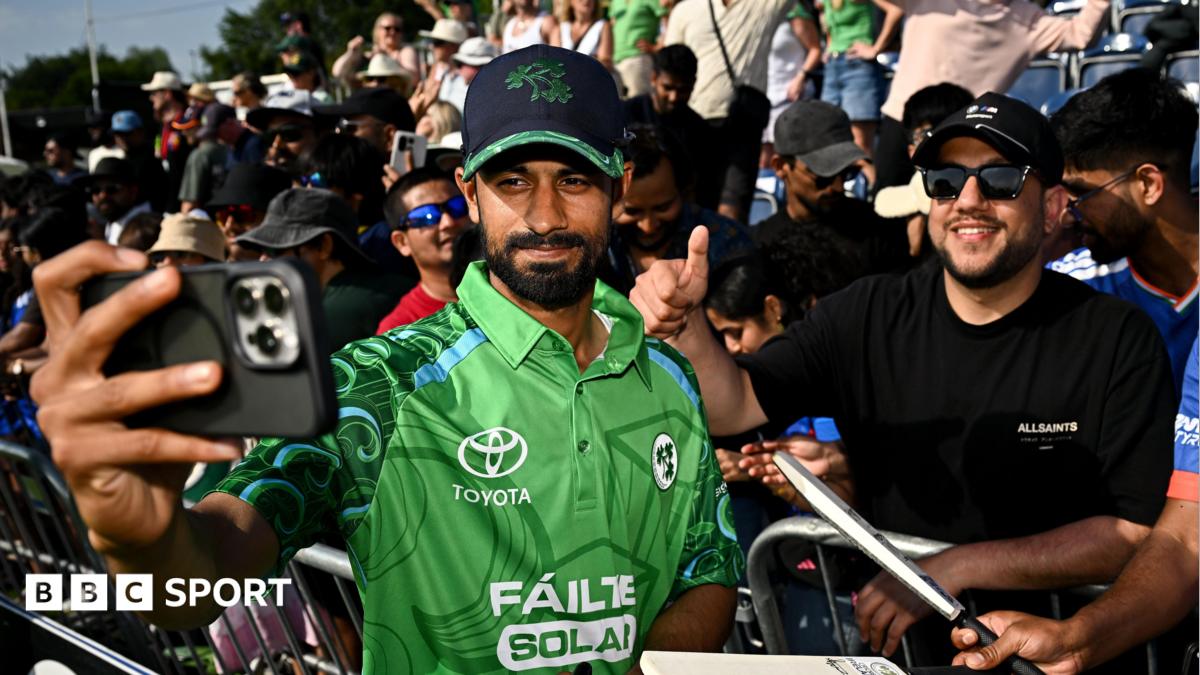
Jai Moondra’s match-winning contribution of 2-26 exemplifies the growing influence of diaspora talent in optimizing national team rosters. Born in India, Moondra’s transition into Ireland’s elite pathway demonstrates how smaller cricketing nations can strategically leverage global talent migration to bypass domestic player-pool limitations. This cross-border mobility acts as an essential competitive equalizer.
From a technical standpoint, Moondra’s intimate familiarity with Indian batting techniques provided Ireland with crucial tactical intelligence. This integration of foreign-trained athletes into domestic structures creates a highly beneficial transfer of skills, elevating training standards and offering domestic players exposure to diverse playing philosophies.
Commercial Realities and Evolving Media Narratives
This upset significantly alters the immediate commercial and media dynamics for both nations. Ireland’s sudden spike in global visibility generates immediate digital engagement, increasing the market value of its key athletes on the franchise T20 circuit. Individual performances under pressure, such as Moondra’s spell, serve as direct auditions for lucrative global league contracts.
For broadcasters and commercial sponsors, the narrative shifts from an expected, one-sided exhibition of Indian dominance to a highly competitive, dramatic series. This unpredictability is a vital commercial driver, boosting secondary viewership metrics and sustaining audience engagement across multi-match series. The match proves that competitive volatility remains the most valuable asset in sports entertainment branding.