Red Bull Ring’s Altitude: A Strategic Variable
The 2026 Austrian Grand Prix qualifying session at Spielberg starkly illustrated the critical interplay between environmental factors and circuit design in modern Formula 1. The Red Bull Ring, situated at 660 meters above sea level, presents unique thermodynamic and aerodynamic challenges distinct from lower-altitude European venues. This elevation significantly impacts power unit efficiency and chassis cooling demands.
The thinner air necessitates recalibration of drag-to-downforce ratios, a complex process that can expose latent design vulnerabilities. Teams must meticulously balance top-end speed with cornering stability, a compromise amplified by the altitude’s effect on aerodynamic performance.
Performance Deficits and Operational Uncertainty
Lewis Hamilton’s post-qualifying comments highlighted prevalent concerns within his team regarding race-winning potential. He cited the circuit’s long straights and a perceived performance deficit throughout the weekend. This admission underscores how subtle variations in ambient pressure, exacerbated by altitude, can magnify existing aerodynamic inefficiencies.
Ferrari’s performance, despite anticipated gains from recent upgrades, was demonstrably tempered by these environmental conditions. The inability to fully translate simulation data into on-track results at altitude suggests the current generation of ground-effect cars remains highly susceptible to ambient pressure fluctuations, directly impacting the crucial floor-generated downforce balance.
Q3 Climax: Verstappen’s Crash and Russell’s Advantage
The qualifying session’s dramatic conclusion was shaped by Max Verstappen’s late-stage crash at the penultimate corner, triggering a yellow flag sequence in the critical final laps. This incident created a complex regulatory and competitive scenario, forcing drivers to navigate the sector under strict protocols while attempting to secure their best lap time.
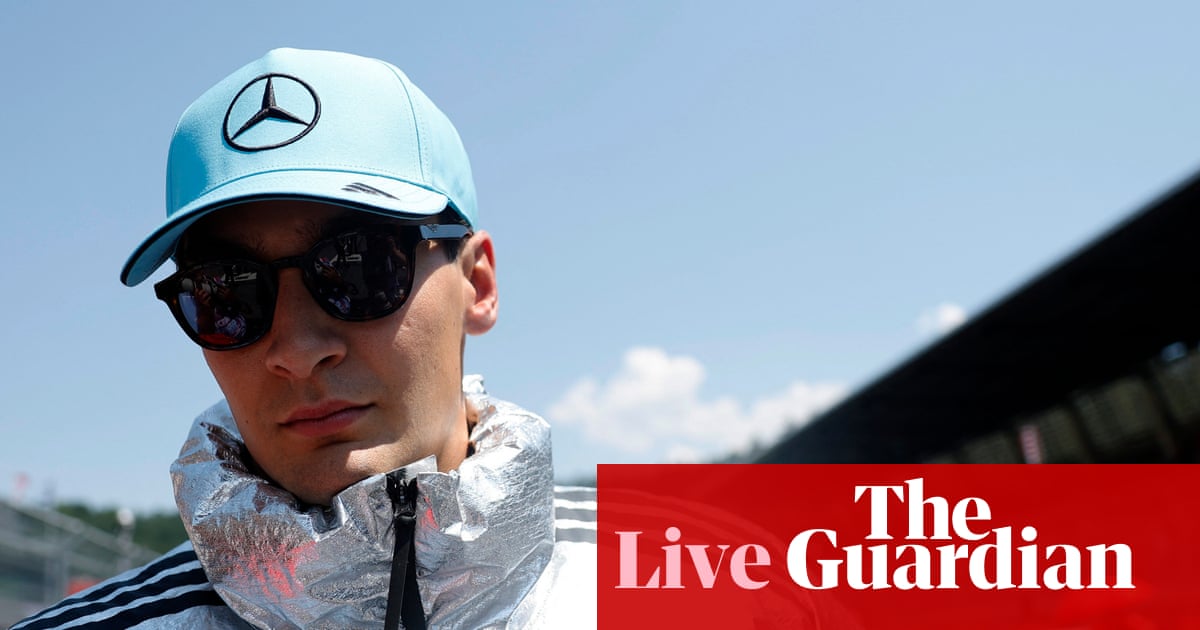
George Russell’s pole-winning lap, achieved while respecting the yellow flags, indicates a substantial performance advantage for the Mercedes W17. His ability to manage deceleration requirements while maintaining momentum allowed him to neutralize the threat from the pursuing Ferrari drivers, who were poised to capitalize on any disruption.
Grid Formation and Constructor Parity
The final grid—with Russell on pole, followed by Ferrari’s Charles Leclerc and Lewis Hamilton, and Kimi Antonelli in fourth—reflects the narrowing performance gap between leading constructors. Antonelli’s presence within the top tier signifies a strategic trend towards integrating emerging talent into championship-contending roles.
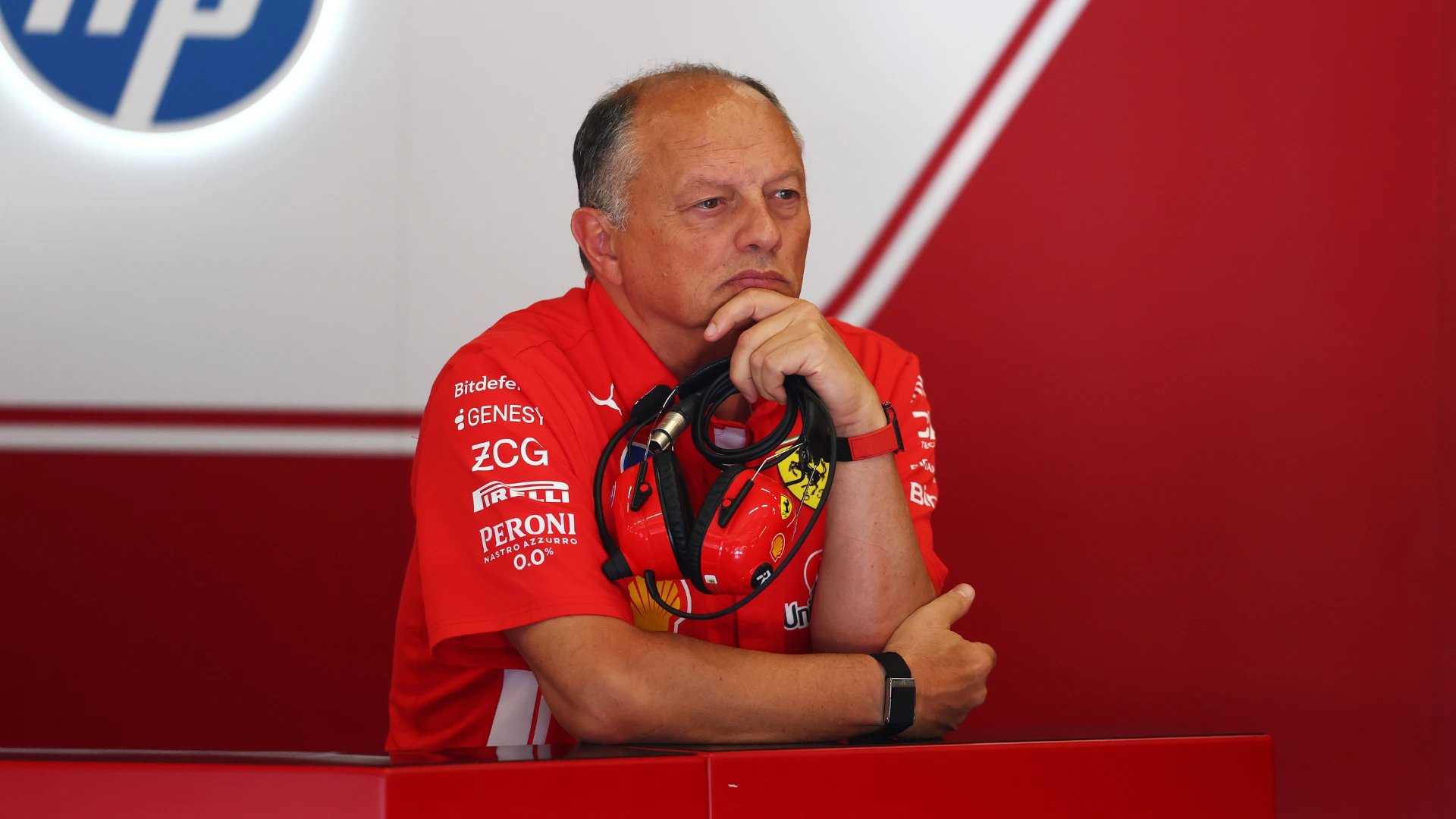
For Ferrari, the outcome represents a compromised opportunity to leverage their upgraded package, positioning them defensively for the race start. Their focus on extracting positives from a P2 and P3 start suggests a pragmatic championship management approach, prioritizing consistent points over high-risk tactical gambles.
Championship Implications and Adaptive Strategies
The volatile qualifying session underscores the fragility of established competitive hierarchies in the current F1 era. As teams approach the season’s midpoint, adaptability to track-specific variables like elevation and temperature is paramount for sustained success. The unpredictability introduced by on-track incidents, such as Verstappen’s crash, challenges reliance on static pre-race modeling.
This necessitates a shift towards more flexible operational strategies. Team principals must increasingly adopt real-time, data-driven decision-making that accounts for dynamic track conditions, moving away from rigid, pre-planned setups.
Market Dynamics and Stakeholder Scrutiny
The intense rivalry between Mercedes and Ferrari at the Red Bull Ring serves as a key indicator for the remainder of the season. With championship leadership on the line, strategic decisions regarding driver prioritization and tire management will face intense scrutiny from stakeholders and technical partners.
The 2026 season’s high financial and reputational stakes are amplified by the relentless development race. Each qualifying session yields critical data on mid-season upgrade efficacy. A team’s capacity to maintain performance parity across diverse circuit profiles is the ultimate testament to its engineering infrastructure and organizational agility.