Contractual Optionality: Fenerbahçe’s Long-Term Leverage
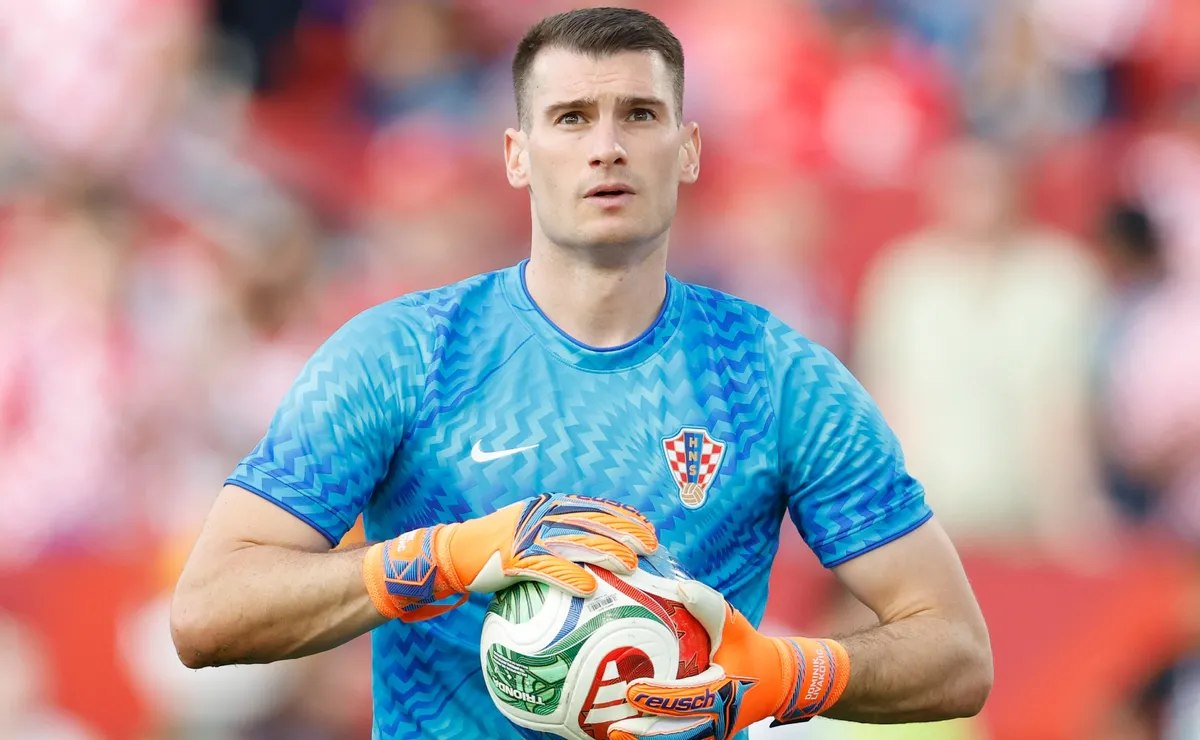
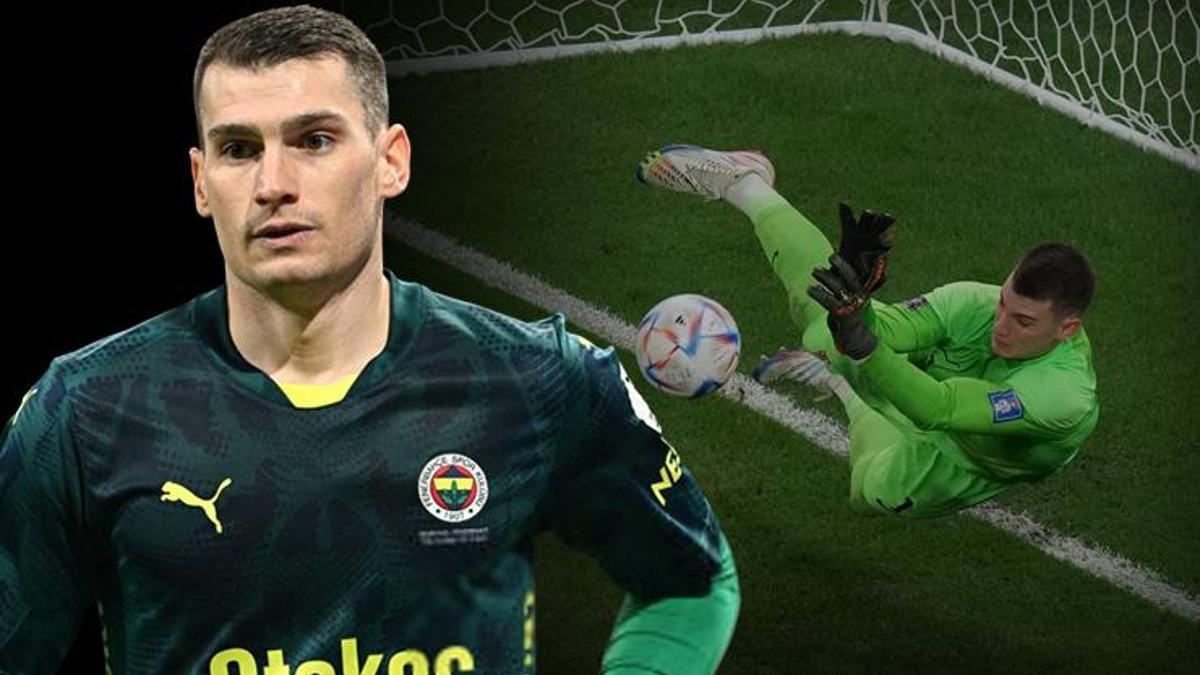
Dominik Livakovic’s commitment to Fenerbahçe through June 2028 represents a significant piece of strategic asset management by the Turkish giants. By securing the Croatian international on a long-term deal, the club has insulated itself against market volatility, ensuring that any future transition—be it reintegration into the starting XI or a permanent transfer—is dictated entirely on their financial terms. This contractual stability allows Fenerbahçe to treat the goalkeeper as a liquid asset, using the current loan period as a mechanism for maintenance rather than a precursor to a forced exit.
The Dinamo Zagreb Proxy: Performance-Based Valuation
For Dinamo Zagreb, the acquisition of Livakovic on loan is a tactical masterstroke designed to bolster domestic and European competitiveness without the immediate capital expenditure of a permanent transfer. Head Coach Mario Kovacevic has publicly emphasized Livakovic’s status as the premier talent in the Croatian circuit, a sentiment supported by the player’s consistency. This arrangement creates a performance-based feedback loop: high-level displays in Zagreb sustain Livakovic’s global profile, which in turn protects his market valuation for the parent club in Istanbul.
International Pedigree as a Value Multiplier
Livakovic’s reputation is underpinned by his elite performance during the 2022 FIFA World Cup, where his shot-stopping proficiency was instrumental in Croatia’s third-place finish. Such international pedigree provides a ‘valuation floor,’ preventing the typical depreciation associated with loan cycles. In the modern goalkeeping market, where composure under pressure is a scarce commodity, Livakovic’s proven track record in UEFA competitions and international knockouts ensures he remains a sought-after profile for clubs across the top five European leagues.
Macro-Economic Implications for the Transfer Market
The Livakovic case study highlights a growing trend in elite football: the use of ‘placeholder loans’ to navigate Financial Fair Play (FFP) constraints and squad quotas. By keeping Livakovic on the books through 2028 while he remains active in a high-pressure environment like Dinamo Zagreb, Fenerbahçe maximizes their Return on Investment (ROI). This strategy mitigates the risks of bench-warming and ensures the player remains ‘match-fit’ for a high-value sale or a triumphal return to the Şükrü Saracoğlu Stadium.
Stakeholder Synergy and Future Trajectory
The resolution of Livakovic’s future requires a delicate alignment of three distinct interests: the player’s career ceiling, Dinamo Zagreb’s competitive ambitions, and Fenerbahçe’s balance sheet. With his contract extending deep into the late 2020s, the Turkish club holds the primary decision-making power. Whether they choose to capitalize on a post-tournament price surge or utilize him as their defensive cornerstone, the current loan serves as an effective holding pattern that benefits all parties in the short term.