The Institutional Calculus of Super Bowl LX: Parity, Prediction, and Platform
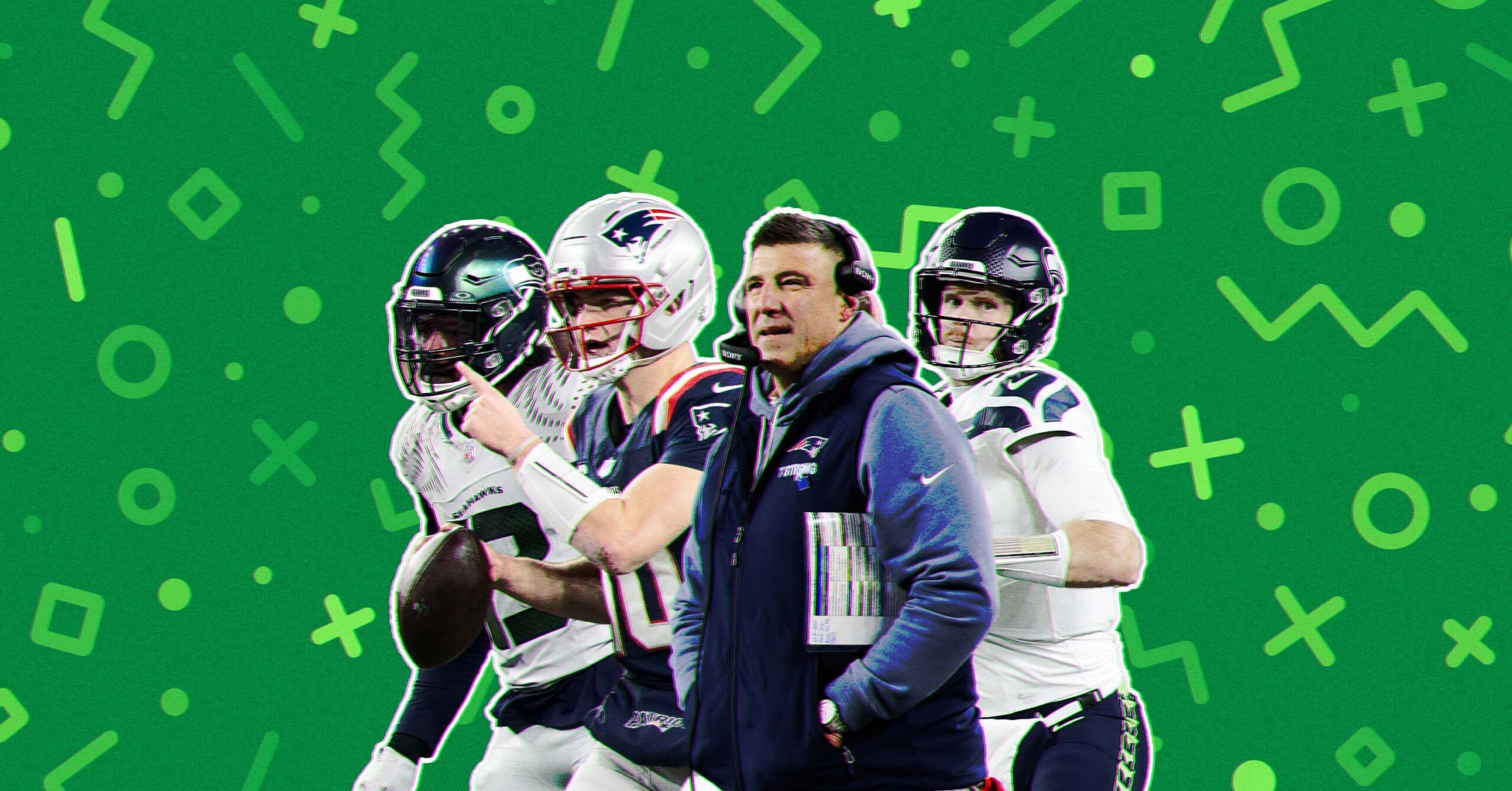
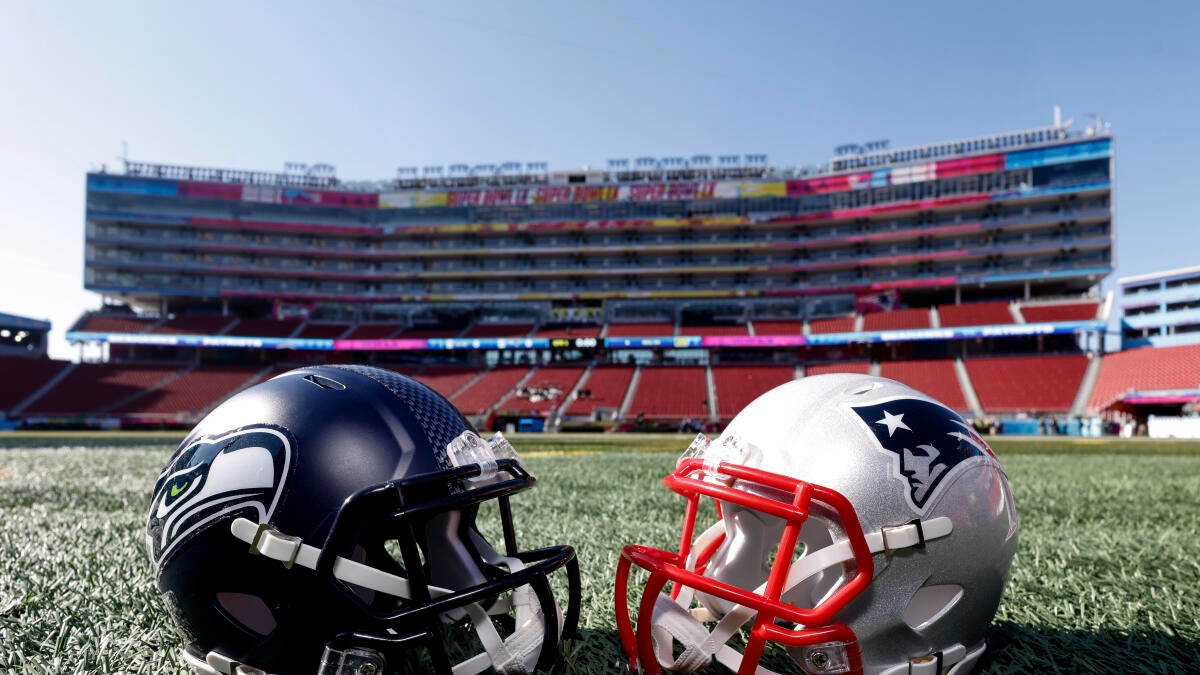
The structure of the modern National Football League (NFL) is heavily engineered to promote competitive balance, relying on mechanisms such as the centralized player draft and the mandated salary cap. When pre-game assessments describe a championship matchup—specifically Super Bowl LX featuring the Seattle Seahawks against the New England Patriots—as a contest that is “close on paper,” it serves as an implicit validation of these foundational institutional controls.
This closeness confirms the league’s administrative objective of minimizing prolonged competitive dominance across the 32 franchises, thereby ensuring systemic health and high marketability. Despite the parity designed into the system, the pervasive media analysis surrounding the event frequently seeks differentiation, leading editorial staff to ultimately declare a “clear favorite.” This dichotomy between the structural assessment of competitive closeness and the narrative drive to identify a potential outcome is central to the pre-game media cycle, which is a necessary component of the NFL’s overall marketing strategy.
Global Broadcast Strategy and Distribution Rights
The kickoff for Super Bowl LX is scheduled for 6:30 p.m. ET on Sunday, a highly standardized prime-time slot chosen institutionally to maximize audience reach across North American time zones. The official distribution strategy for this championship underscores the accelerating evolution of professional sports media consumption, with the game carried simultaneously on the traditional broadcast network, NBC, and the dedicated streaming service, Peacock.
This dual delivery model reflects the NFL’s complex institutional navigation of digital transformation, balancing massive established viewership on linear television against the necessity of securing lucrative rights fees from emergent digital platforms. The inclusion of a streaming component is not merely an auxiliary service but a fundamental shift in revenue generation and audience segmentation for major professional leagues.
By intentionally distributing rights across multiple platform types, the NFL ensures maximal market penetration, appealing both to legacy viewers and digitally native consumers. This policy solidifies the longevity of the league’s economic model, which relies heavily on escalating broadcast contracts as a key pillar of its overall fiscal strategy and administrative stability.
Navigating the Narrative: History, Expectations, and Data-Driven Content
The specific narrative surrounding this championship is partly defined by the presence of the New England Patriots, who are noted to be pursuing a potentially historic institutional achievement within the league’s official record books. Such pursuits underscore the cultural and strategic significance of institutional record-keeping and legacy within the competitive structure of professional sports.
The active creation and marketing of historical milestones are integral to maintaining consistently high fan engagement and the long-term perceived value of specific franchises. The source material further characterizes Super Bowl LX as an event that “nobody saw coming,” a designation which instantly elevates its media valuation and drives specialized content creation.
This unexpectedness fuels the publication of specialized content genres, including “five bold Super Bowl LX predictions” and deep dives utilizing rigorous statistical analysis. The sustained demand for “data-driven previews” illustrates the increasing sophistication of the sports analytical ecosystem, which moves beyond mere qualitative assessment toward quantitatively informed editorial products designed for highly engaged audiences.
The Function of Prediction Markets and Editorial Validation
The proliferation of pre-game predictions serves a crucial editorial and commercial function: establishing the authority of media organizations and generating high levels of engagement within a crowded content landscape. References to specific score projections, such as the 24-16 prediction favoring the Seahawks, provide concrete, quantifiable data points for immediate reader consumption and subsequent debate.
This content strategy reinforces the media organization’s essential role as an analytical intermediary between the sporting action and the vast consumer audience. Furthermore, the specialized focus on individual performance, materialized in the prediction of Jaxon Smith-Njigba as the Most Valuable Player (MVP) and the identification of an “unlikely hero,” reflects deeply entrenched institutional trends in fan monetization and product specialization.
The personalization of the team conflict through specific player predictions drives focused interest in associated market segments, including fantasy sports, prop betting, and individual athlete branding and endorsements. This synergy between institutional sport, media, and ancillary industries is fundamental to the contemporary economic model sustaining the championship game’s massive commercial footprint.
The concept of the “unlikely hero” is a standardized narrative device used consistently in high-stakes championship analysis. It effectively manages audience expectations by suggesting that outcomes often diverge from established consensus, thereby validating the ongoing need for nuanced, highly specific analytical content.
This narrative focus ensures that even in a structurally close contest, the media surrounding the event retains compelling elements of dramatic unpredictability, which is vital for maintaining peak viewership and transactional engagement through the event’s duration. The strategic alignment of editorial content with quantitative data fulfills both the audience’s demand for depth and the institutional requirement for high-value media output.