Tragedy and Triumph: Portugal’s World Cup Strategy
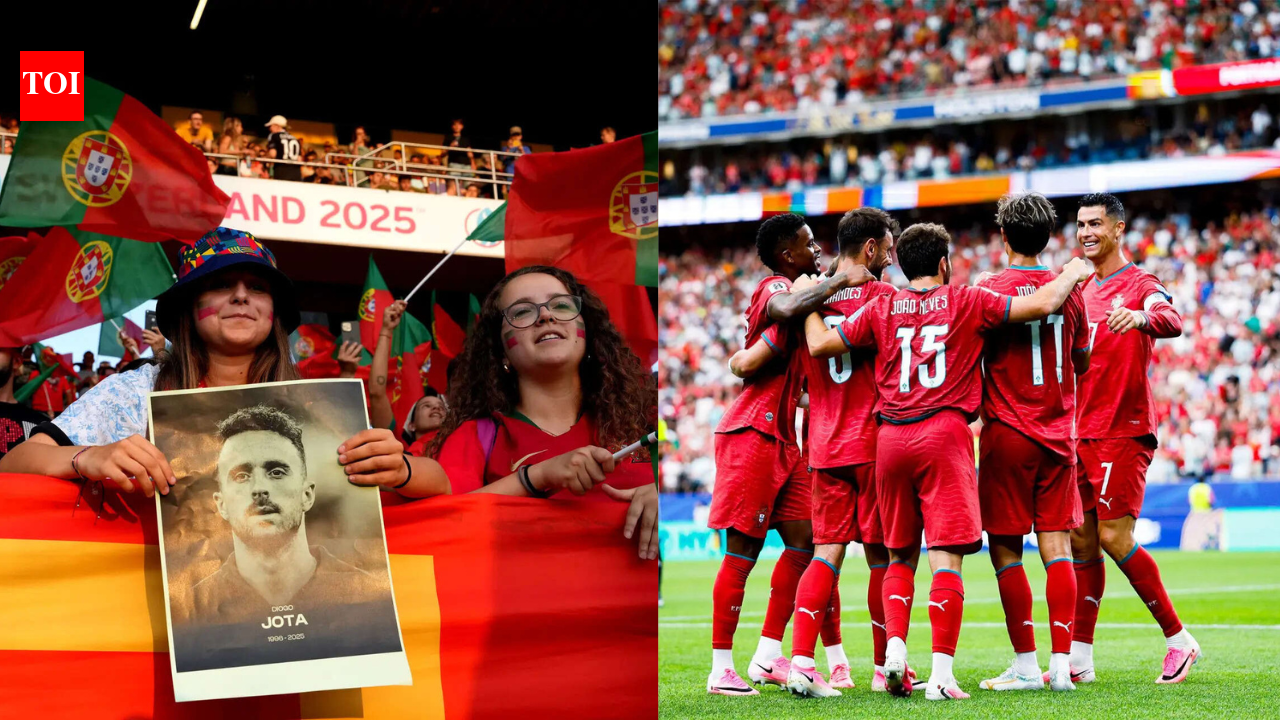
As Portugal prepares for their Round of 32 World Cup match against Croatia in Toronto, the team confronts a potent blend of high-stakes competition and profound institutional remembrance. The game falls precisely on the first anniversary of the death of Diogo Jota, a key player whose tactical significance to the national team was tragically cut short by an accident on July 3, 2025.
Head coach Roberto Martinez faces the intricate challenge of balancing the squad’s emotional landscape with peak performance demands. The strategy involves transforming personal mourning into a collective performance driver, leveraging the anniversary as a unifying element for the crucial knockout phase.
Psychological Fortification and Continuity
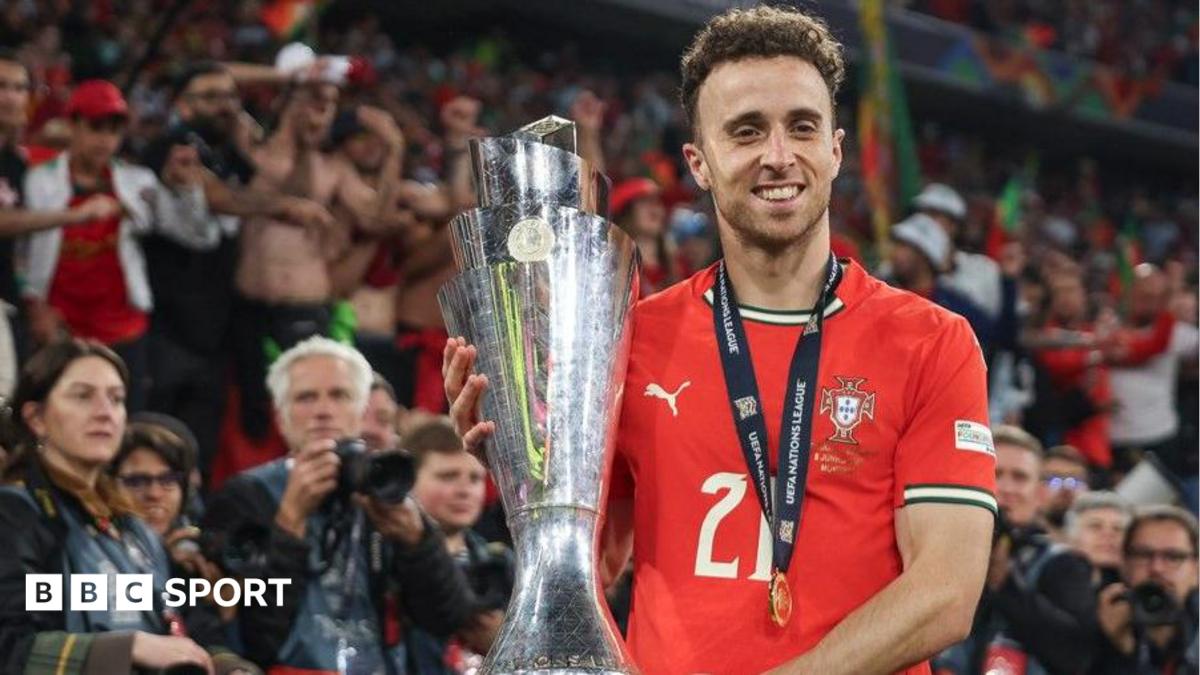
Midfielder Ruben Neves embodies this institutional continuity, wearing Jota’s former number 21 jersey as a symbolic tribute. Neves’ insights into ongoing communication with Jota’s widow, Rute Cardoso, via a private digital group, highlight a robust support system extending beyond the pitch.
This digital connection serves as a crucial psychological anchor, maintaining Jota’s perceived presence as an “extra man” for the team’s World Cup campaign. By preserving and interacting with past team communications, the squad aims to retain the locker-room dynamic that fueled past successes, including Jota’s contributions during qualification.
Medical Directives and Transport Risks Analysis
The circumstances surrounding Jota’s fatal accident underscore the critical intersection of medical protocols and athlete safety. Following a minor surgical procedure, medical advice cautioned Jota against air travel due to the risks of post-operative complications like deep vein thrombosis. This directive led to a long-distance road journey.
The necessity of a road trip, particularly in a high-performance vehicle, shifted the risk profile from medical to logistical. The subsequent tire blowout during an overtaking maneuver tragically illustrates the inherent vulnerabilities associated with private transport, even when attempting to adhere to medical recommendations for player well-being.
Impact on Club and National Assets
At 28 years old, Jota was at the peak of his career, having recently contributed to Liverpool’s Premier League title. His absence left a significant tactical void for both his club and the Portuguese national team, necessitating immediate strategic adjustments in offensive play and squad depth management.
The loss was further compounded by the death of his younger brother, André Silva, a 25-year-old attacking midfielder for Penafiel. Silva represented a different facet of Portuguese football development, having completed a business management degree in 2025, indicating a planned transition into sports administration or business.
Institutional Resilience and Family Welfare
The Portuguese Football Federation (FPF) has navigated the complex reputational and human aspects of this tragedy, balancing family privacy with the public’s interest in a commemorative narrative. Jota’s marriage to Rute Cardoso just 11 days prior to his accident and the care for their three children place significant long-term welfare responsibilities on governing bodies.
The team’s public pledge to “win the World Cup for him” aligns individual grief with national sporting aspirations, a critical alignment for maintaining focus amidst the pressures of a knockout tournament.
Logistical Synchronicity and Toronto’s Anniversary
The scheduling of the Croatia match in Toronto creates a temporal link between the event and the anniversary observances in Portugal. Due to time zone differences, the match’s kick-off coincides with the early hours of July 3rd in Lisbon, placing the team’s performance directly in sync with the national day of remembrance.
This synchronization amplifies the focus on the squad’s emotional management. Players must perform at peak physical capacity while acknowledging a significant personal milestone. The leadership, including veteran Cristiano Ronaldo, must channel this sentiment into disciplined execution, which will be pivotal for tournament progression.
Competitive Edge of the ‘Extra Man’ Narrative
The concept of Jota as an “extra man” transcends sentimentality, serving as a potent tactical motivator that can bolster collective resilience. In the high-attrition environment of a World Cup, teams actively seek external motivational catalysts, and the Jota anniversary provides a powerful, albeit tragic, source of energy.
Croatia faces a Portuguese side motivated by a cause that extends beyond the immediate game. This psychological depth can significantly influence in-game momentum, especially in the decisive final stages between two closely matched teams.
The Legacy of the Silva Brothers’ Impact
The combined loss of Diogo and André signifies a profound impact across the Portuguese football ecosystem, affecting multiple levels of the sport. While Diogo was a global football icon, André’s career at Penafiel and his academic pursuits exemplified the comprehensive development encouraged within Portuguese football.
The anniversary serves as a poignant reminder of career fragility and the vital importance of the support networks that athletes cultivate. As Portugal competes in Toronto, Jota’s number 21 and the shared digital communications stand as testaments to a legacy that continues to shape the strategic and emotional fabric of Portuguese football.
Conclusion: A Year of Adaptation and Remembrance
The match against Croatia marks the culmination of the first post-Jota year for Portugal, a period defined by adaptation and remembrance. The success of their World Cup campaign will inevitably be measured against this tribute, assessing whether the team can transform profound loss into historic sporting achievement.
Regardless of the outcome, the institutional response to Jota’s death demonstrates a sophisticated approach to athlete welfare and collective identity. The integration of family, former teammates, and current strategic objectives ensures Jota’s enduring influence on the federation’s operational philosophy.