Operational Attrition and the Rhetoric of Conclusion
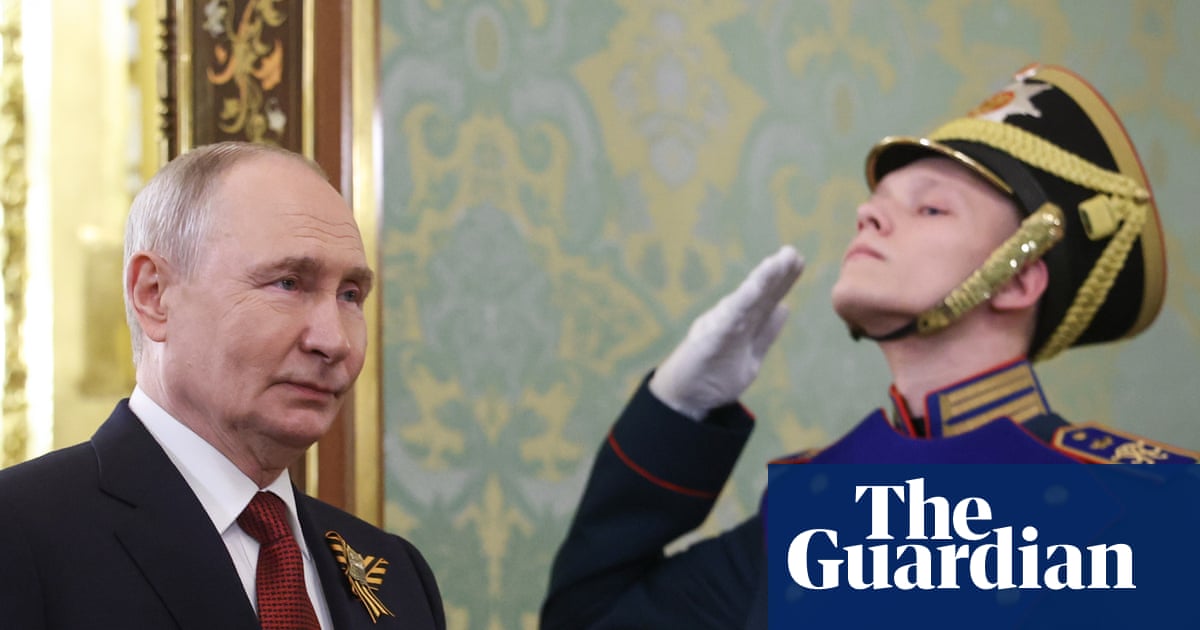
Russian President Vladimir Putin’s recent signaling that the Ukraine conflict is ‘coming to an end’ marks a calculated departure from previous narratives of indefinite ‘Special Military Operation’ objectives. This rhetorical pivot, delivered against the backdrop of a significantly diminished Victory Day parade, reflects the hardening realities of a protracted stalemate. As Russian forces face diminishing returns in the Donbas—where Ukrainian ‘fortress cities’ have effectively checked offensive momentum—the Kremlin is increasingly incentivized to frame the current territorial status quo as a logical conclusion rather than a military ceiling.
The Symbolism of Hardware Depletion
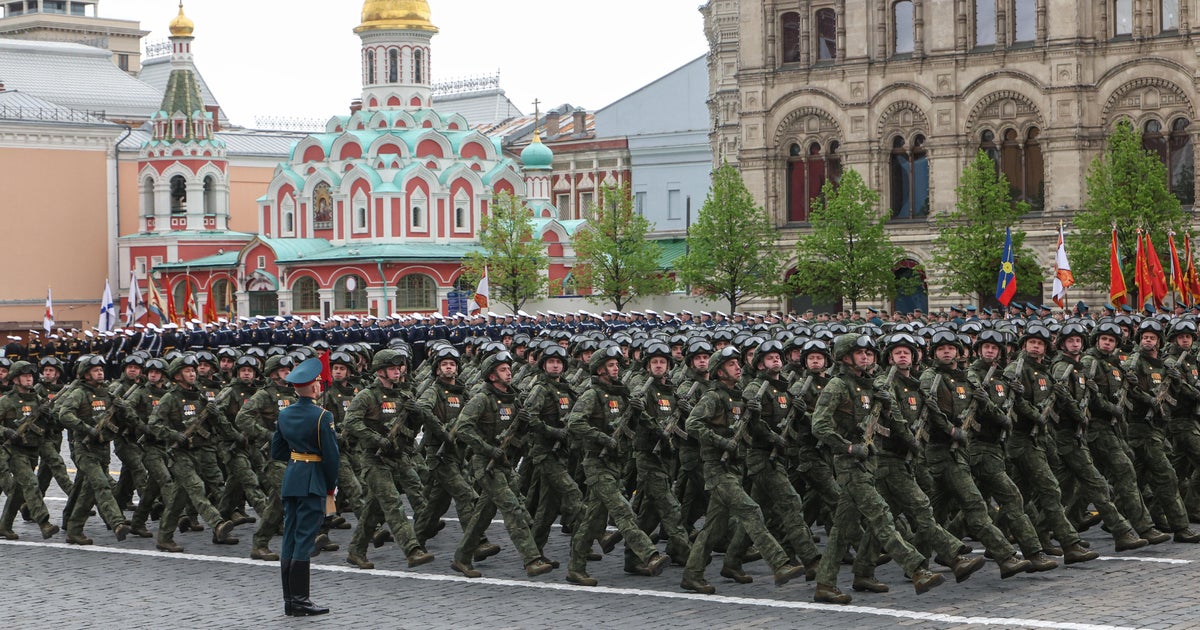
The 2024 Victory Day proceedings provided a stark visual metric of Russia’s logistical constraints. For the first time in two decades, the parade lacked the heavy armored columns and advanced missile systems that traditionally project sovereign power. This absence is a strategic indicator of hardware prioritization; the Kremlin can no longer afford to divert functional combat assets from active front lines for ceremonial displays. This systemic depletion of industrial and military reserves underscores the transition from a war of conquest to a war of preservation, where the maintenance of domestic state stability now outweighs the pursuit of further territorial expansion.
Transactional Diplomacy: Bypassing the Institutional West
The explicit mention of former German Chancellor Gerhard Schröder as a preferred interlocutor reveals a Kremlin strategy to circumvent current European multilateral frameworks. By invoking the era of Russo-German energy interdependence, Putin is signaling a desire to return to transactional, bilateral diplomacy. This is further complicated by the integration of personality-driven mediation, such as the three-day ceasefire purportedly brokered via Donald Trump. These moves suggest that Moscow views existing NATO and EU diplomatic corridors as obsolete, preferring back-channel negotiations that prioritize economic pragmatism over international law.
Macroeconomic Exhaustion and Internal Security Risks
The admission of a potential endgame is inextricably linked to Russia’s systemic decoupling from global markets. The diversion of national capital toward a struggling military-industrial complex has reached a threshold of diminishing returns. Simultaneously, the threat of drone incursions targeting Moscow’s administrative heart has shattered the illusion of domestic immunity. This ‘wave of anxiety’ within the Russian elite necessitates a managed de-escalation to prevent internal economic fragmentation. The Kremlin’s focus has shifted to securing a ‘frozen conflict’ that allows for the rehabilitation of domestic security architectures and the eventual renegotiation of European security terms.