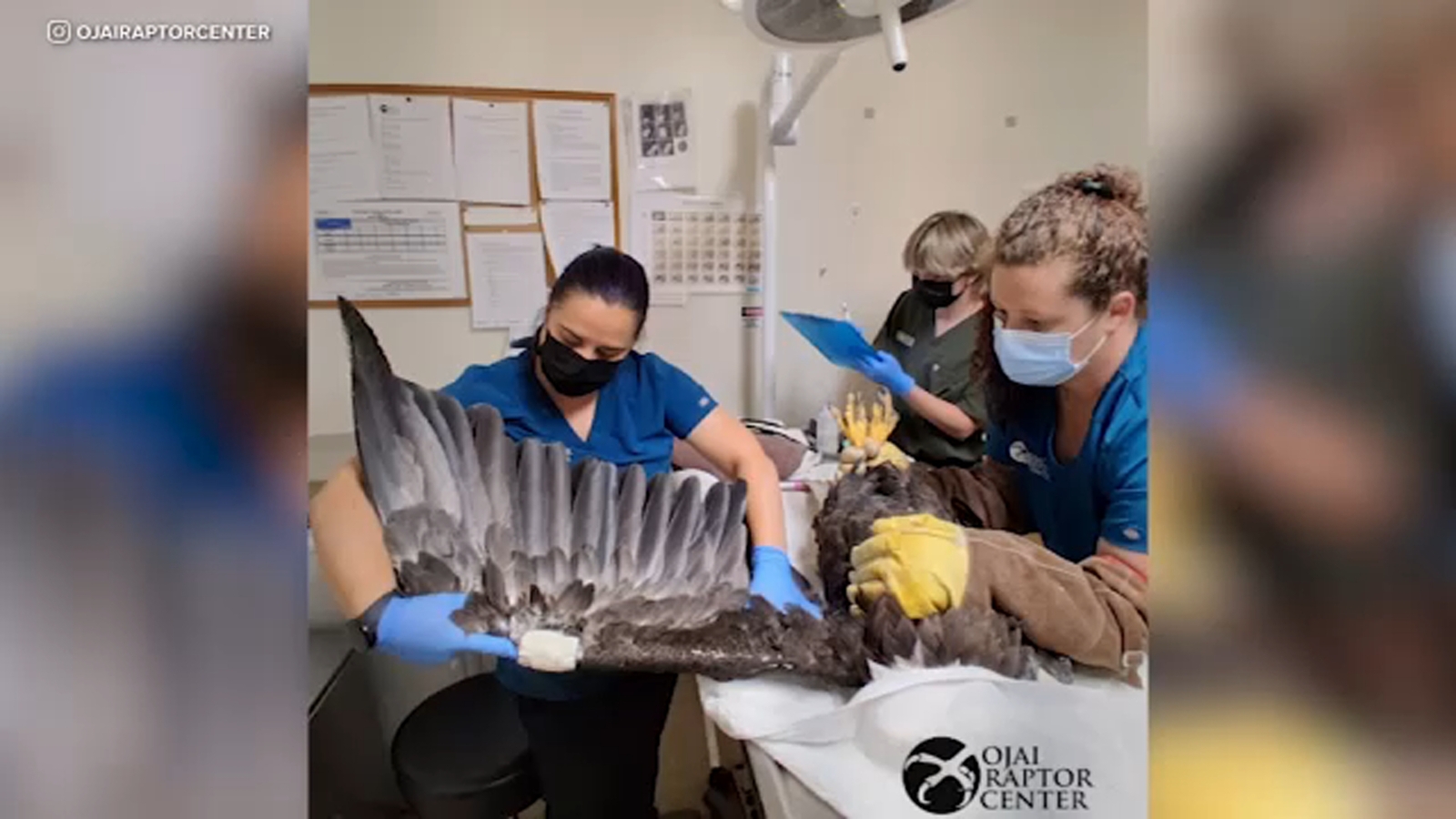
The critical status of the bald eagle presumed to be Jackie—a keystone individual in the Big Bear Valley ecosystem—has shifted from a field rescue to a complex clinical intervention at the Ojai Raptor Center. Following a violent intraspecific conflict involving two other eagles, the bird was extracted by the Los Angeles County Department of Parks and Recreation’s San Dimas Raptor Rescue team. The subsequent medical transition from trauma management to pathological investigation reveals a compromised physiological profile.
Hematological and Renal Pathology
Initial diagnostics have confirmed severe anemia and acute kidney inflammation. This hematological deficiency indicates a significant reduction in oxygen-transport capacity, which complicates systemic recovery and limits the efficacy of standard trauma protocols. The presence of renal inflammation further constrains the prognosis, as impaired kidney function hinders the bird’s ability to metabolize medications and filter nitrogenous waste. Clinical focus has shifted to aggressive supportive care, including fluid resuscitation and nutritional stabilization, while the team awaits definitive laboratory results.
Toxicological Vectors: Lead, Zinc, and Rodenticides
The Ojai Raptor Center is investigating underlying environmental factors that may have predisposed the eagle to territorial defeat. Diagnostic panels are screening for heavy metal toxicity—specifically lead and zinc—and anticoagulant rodenticides. Lead exposure, typically resulting from the ingestion of spent ammunition in scavenged remains, causes chronic multi-organ dysfunction and neurological impairment. Similarly, secondary rodenticide poisoning occurs when apex predators consume prey that has ingested toxic baits, leading to coagulopathy and exacerbating the severe anemia observed in patient 26-519.
Territorial Dynamics and Ecological Stressors
The physical confrontation that preceded the rescue underscores the intensifying competitive pressures within the Big Bear bald eagle population. While territorial aggression is a natural behavioral trait, the intensity of this multi-bird engagement suggests a high-stakes challenge to the established hierarchy. If the eagle was already suffering from sub-lethal toxicological exposure or chronic illness, her ability to defend the nesting site would have been critically diminished. The prolonged absence of a dominant female like Jackie risks local social instability and potential nest abandonment.
Institutional Coordination and Rehabilitation Hurdles
The management of this case involves a sophisticated nexus between public agencies and private specialized care. The transfer from municipal responders to the Ojai Raptor Center highlights the necessity of specialized avian facilities in high-profile conservation cases. Rehabilitation for patient 26-519 is not merely a matter of survival but of achieving ‘release-ready’ fitness. This requires the total resolution of renal impairment and the restoration of hematological health to ensure the bird can hunt and defend territory upon return to the San Bernardino Mountains.
Conclusion: Systemic Implications
The clinical trajectory of this eagle serves as a proxy for the broader health of the Big Bear Valley raptor population. Beyond individual recovery, the findings regarding lead and rodenticide exposure will provide critical data for conservation advocacy and environmental policy. As the medical team awaits further results, the case remains a high-stakes demonstration of the intersection between wildlife pathology and ecological management.