
Whistleblower Disclosure and Regulatory Non-Compliance
A federal whistleblower disclosure submitted to Senator Richard Blumenthal details critical operational vulnerabilities within the United States Postal Service (USPS) mail-in ballot infrastructure ahead of the November midterm elections. The filing alleges that postal leadership is executing restrictive operational directives that circumvent federal court injunctions, introducing systemic bottlenecks capable of impairing ballot transit and processing during peak election windows.
Executive Policy vs. Judicial Restraint
At the center of the controversy is the agency’s persistent execution of a Trump-era executive order restricting mail-in voting procedures, despite federal court orders halting its enforcement. This institutional divergence highlights an acute tension between executive-driven agency mandates and judicial oversight. Imposing heightened administrative burdens—such as restrictive verification standards and altered transit priority—introduces structural friction into an infrastructure that processes roughly one-third of the national electorate’s votes.
Centralized Digital Infrastructure and Data Vulnerabilities
Congressional scrutiny centers heavily on the rapid development of an internal online portal designed to centralize voter and mail-ballot records. Shifting from proven, decentralized mail tracking to a unified digital environment introduces substantial single-point-of-failure risks. If this platform functions as a gatekeeper for voter eligibility or ballot custody, unmitigated technical instability, processing latency, or architectural defects could lead to the erroneous rejection or delayed tabulation of valid ballots.
Administrative Liability and Logistical Disenfranchisement
The report underscores that voter disenfranchisement in postal balloting rarely stems from overt exclusion; rather, it manifests through logistical attrition. When delivery protocols are compressed by administrative friction, ballots mailed within statutory deadlines risk arriving post-election, disqualifying voters without post-election recourse. Under Postmaster General David Steiner, proceeding with operational shifts despite active judicial stays exposes the agency to severe legal liability, constitutional challenge, and breach of statutory impartiality mandates.
Legislative Scrutiny and Institutional Repercussions
Senator Blumenthal’s public demands for accountability from Postmaster General Steiner mark an escalation in congressional oversight. Lawmakers require definitive accounting of the digital portal’s architecture and the operational compliance of local distribution networks. Beyond immediate electoral outcomes, persistent friction between postal leadership, legislative committees, and federal courts erodes market and civic confidence in USPS reliability, elevating pressure on physical polling sites and degrading institutional trust.

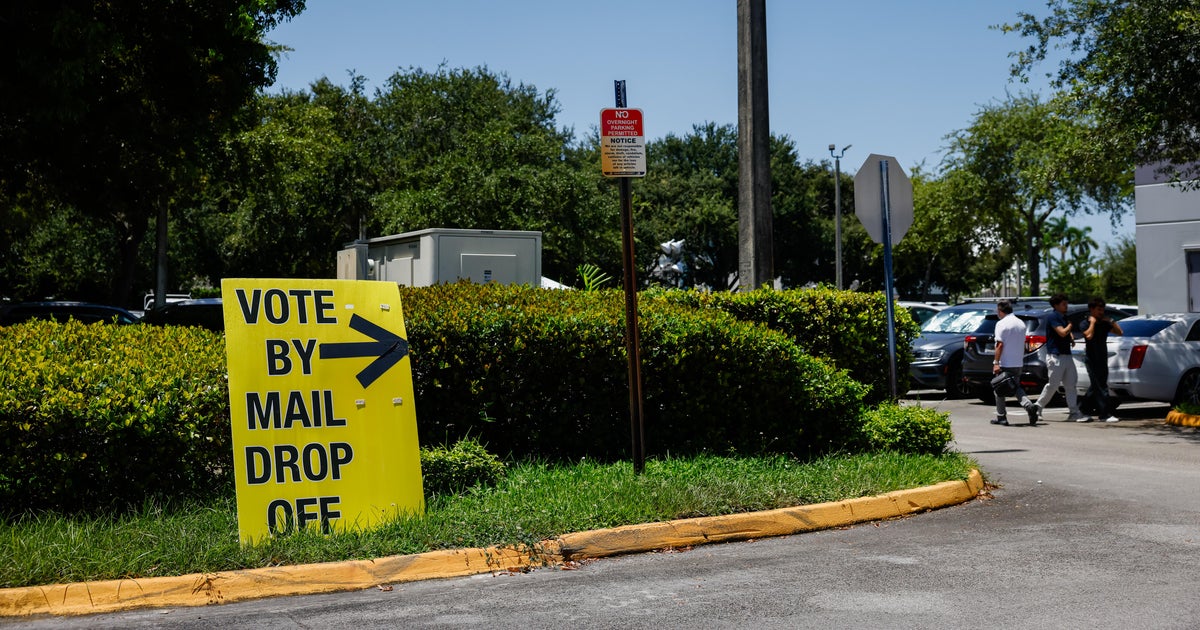
Photo by ArtisticOperations on Pixabay.