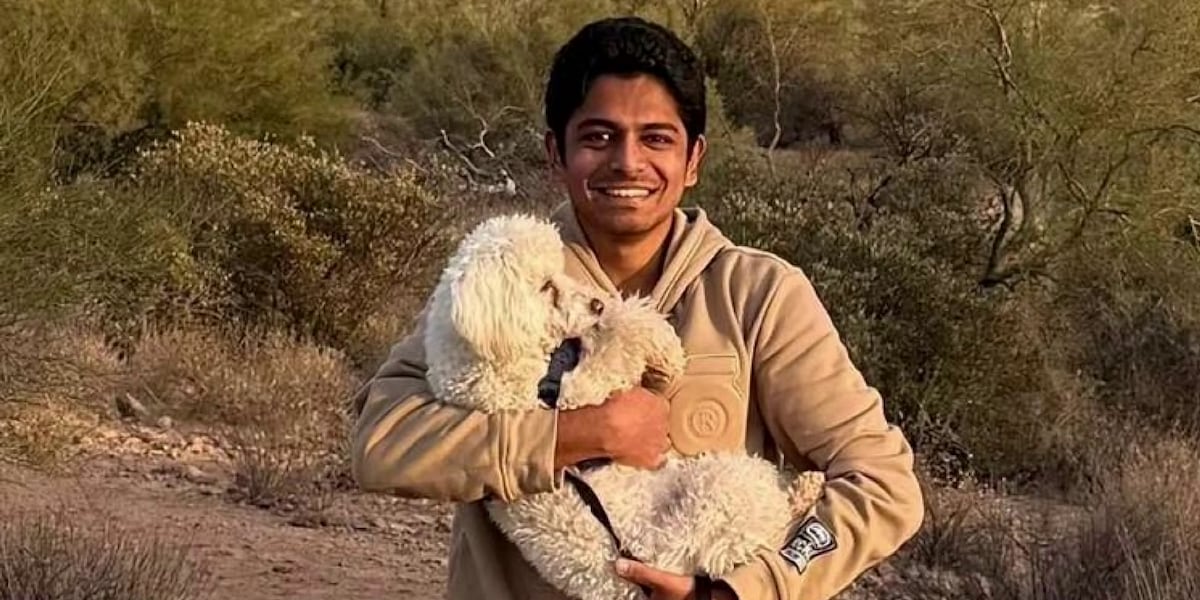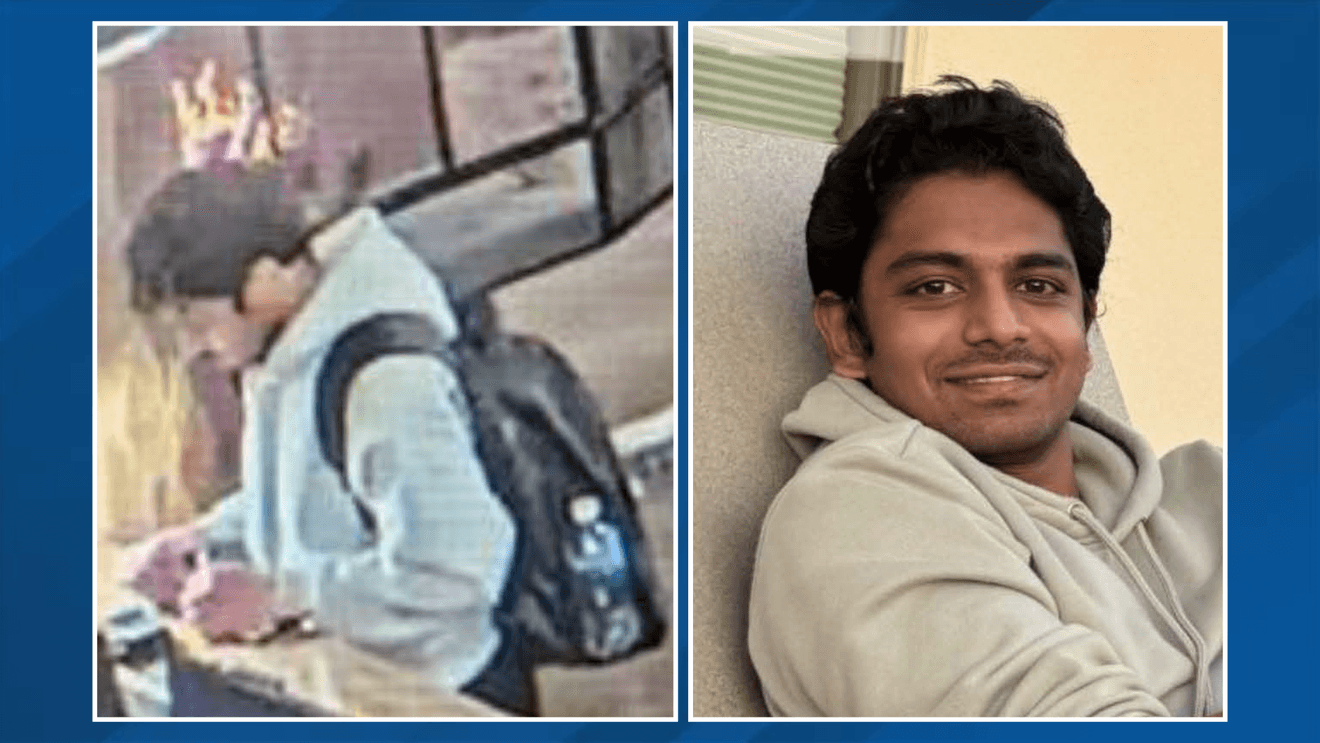
The search for 26-year-old Arizona State University (ASU) student Sandarsh Krishna concluded on May 9 with the recovery of his body below the South Rim of Grand Canyon National Park. Located near Verkamp’s Visitor Center, the recovery followed an extensive multi-day operation coordinated by the National Park Service (NPS) after Krishna was reported missing on April 28.
Search Dynamics and Operational Execution
Krishna was last seen along the high-traffic Rim Trail near Hermit Road. The transition from a search to a recovery operation was accelerated by the recovery of his backpack by a park visitor, a critical piece of evidence that focused the efforts of NPS search and rescue (SAR) teams. Navigating the canyon’s vertical terrain requires specialized technical units and precise aerial coordination, representing significant resource allocation by the NPS.
Investigative Oversight
The Coconino County Medical Examiner’s Office is conducting a forensic investigation to determine the cause and manner of death. This process is essential for reconciling the timeline of the disappearance. Concurrently, the NPS is reviewing environmental and infrastructure variables at the site to assess safety compliance and potential risks in highly accessible areas of the park.
Strategic Risk Management
The proximity of the incident to major visitor infrastructure like Verkamp’s Visitor Center highlights the contrast between developed tourist zones and the inherent hazards of the canyon edge. Managing visitor safety at these interfaces requires a continuous balance between accessibility and site hardening. The departure from established trails is a recurring theme in canyon-related incidents, prompting ongoing discussions regarding signage and barrier efficacy.
Broader Socio-Academic Context
The timeline of this incident was framed by the ASU academic calendar, with the family’s alert triggered by Krishna’s failure to return for final exams. This highlights the role of institutional milestones in establishing missing-person timelines. As the university and family await the final forensic report, the case remains an active inter-agency investigation, serving as a reminder of the complexities involved in visitor safety across federal land systems.