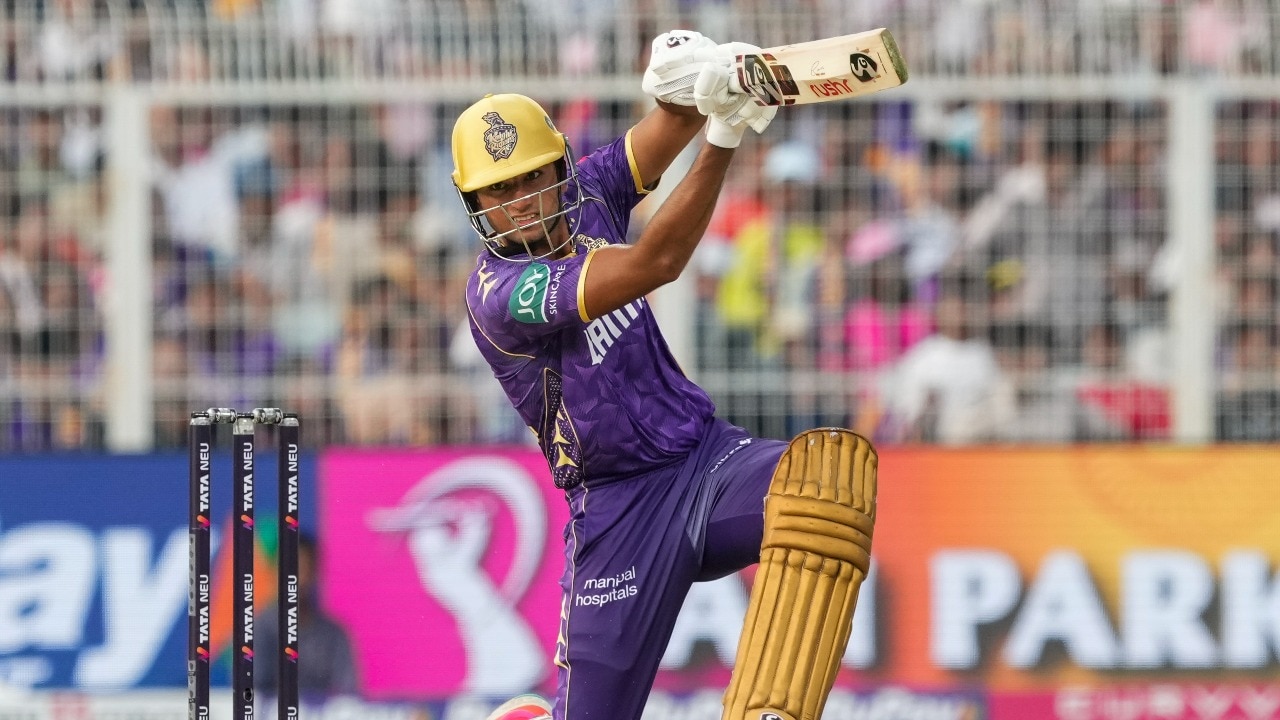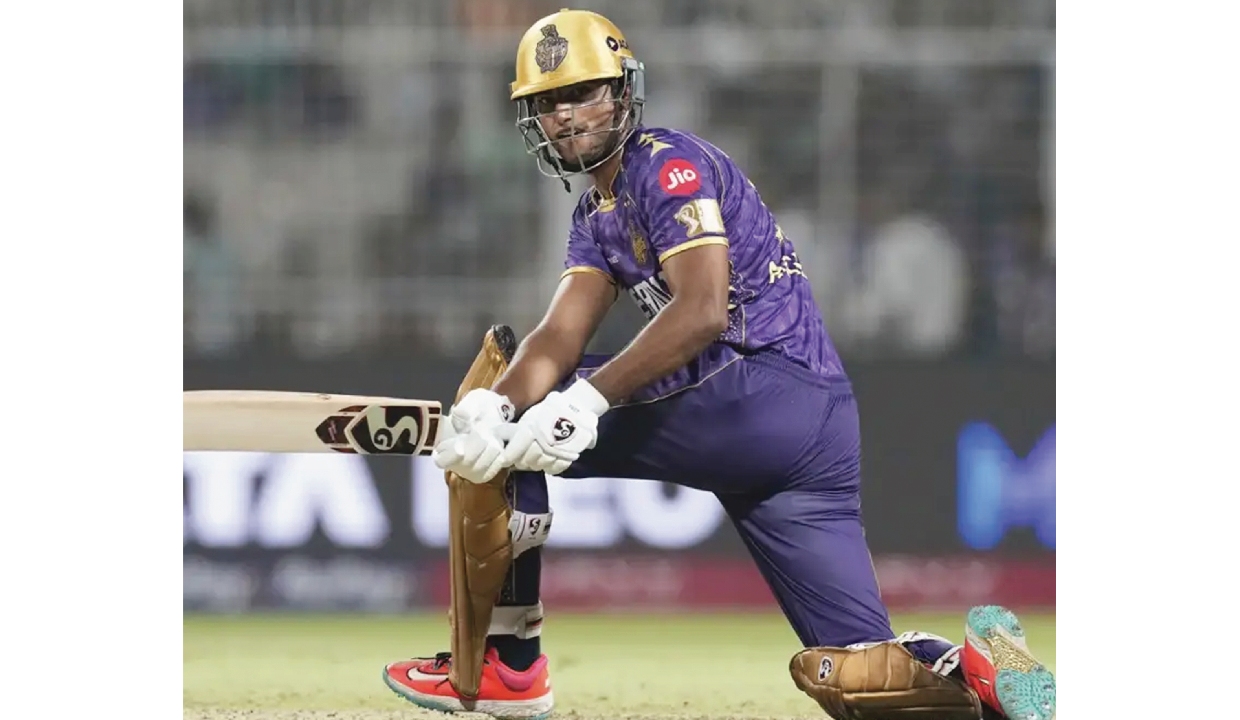
Angkrish Raghuvanshi, the 21-year-old KKR asset, has publicly redefined his performance metrics, deliberately shifting focus from immediate national team selection pressure toward deep, granular skill acquisition necessary for sustained franchise contribution.
This strategic decoupling from the national selection narrative signals a calculated attempt to mitigate performance anxiety by anchoring success criteria to measurable internal development and team outcomes rather than external validation benchmarks.
Hyper-Competitive Landscape: The Utility Multiplier Strategy
Raghuvanshi’s commitment to holistic improvement—encompassing batting mechanics, fielding acumen, and specialized wicketkeeping proficiency—directly addresses the modern T20 ecosystem’s stringent demand for positional flexibility. Developing skills beyond his primary role positions him as a high-utility asset critical for KKR’s complex roster construction ahead of the 2026 IPL cycle.
Wicketkeeping Development: Roster Optimization Leverage
Cultivating wicketkeeping skills, prompted by his Mumbai T20 experience, offers KKR significant internal contingency, reducing reliance on specialist keepers (e.g., Tim Seifert). In the salary-capped IPL environment, a player who maintains top-order batting capability while offering specialist glovework delivers substantial roster optimization leverage, maximizing the value derived from a single contracted spot.
Alignment with Franchise Objectives: Performance Benchmarking
Raghuvanshi’s insistence on judging performance solely by team success demonstrates fundamental alignment with franchise objectives, where collective outcomes supersede individual statistics in short-format leagues. This mindset contrasts with the metric-driven focus often associated with players exclusively targeting national team call-ups.
Adaptation in the Talent Stratification
Operating within a highly competitive talent pool (alongside peers like Jaiswal and Varma who enhance secondary skills), Raghuvanshi’s multi-skill approach is positioned as a necessary structural adaptation. Demonstrating competence across batting, keeping, and fielding is increasingly a prerequisite for breaking into the elite national setup.
Coaching Influence and Operationalizing Versatility
Learning from mentors like Abhishek Nayar indicates adherence to established developmental pathways focused on rigorous technical refinement designed for immediate operational deployment. KKR’s interest in his keeping is tactical: creating flexibility to field an extra specialist batter or bowler based on matchup analysis without sacrificing coverage behind the stumps.
Managing External Narratives and Agency
By publicly controlling the narrative around his immediate goals, Raghuvanshi exerts agency, managing external media and fan expectations that often fuel selection speculation. This inward focus channels energy toward tangible skill multiplication, directly validating the franchise’s investment in his potential utility ceiling.
Long-Term Trajectory: Sustainable Performance Curves
The emphasis on incremental, day-by-day improvement aligns with a sustainable development model that favors resilience built through broad skill mastery over volatile short-term peaks driven by selection anxiety. This addresses the significant risks of player burnout prevalent in high-intensity leagues.
Systemic Trend: Dismantling Positional Rigidity
The adoption of the specialized, high-pressure wicketkeeping role by a primary batter signals a broader systemic trend in T20 cricket: dismantling positional rigidity in favor of squad depth through multi-skilled personnel. This places performance pressure on existing specialists to maintain high functional thresholds.
Strategic Valuation Implications
Successful integration of high-level wicketkeeping with top-order batting will likely trigger a significant upward re-rating of Raghuvanshi’s market valuation in future auction cycles, reflecting the scarcity value of such dual-threat players. This impacts competing franchises’ strategic planning against KKR’s enhanced talent ceiling.
Concluding Posture: Strategic Sequencing
Raghuvanshi’s strategy is one of strategic sequencing: prioritizing the mastery of complex, complementary skills within the KKR structure before engaging with external selection pressures. This commitment to comprehensive personal skill multiplication establishes a robust platform for long-term relevance in demanding global T20 operations.