The Structural Disruption of California Agriculture
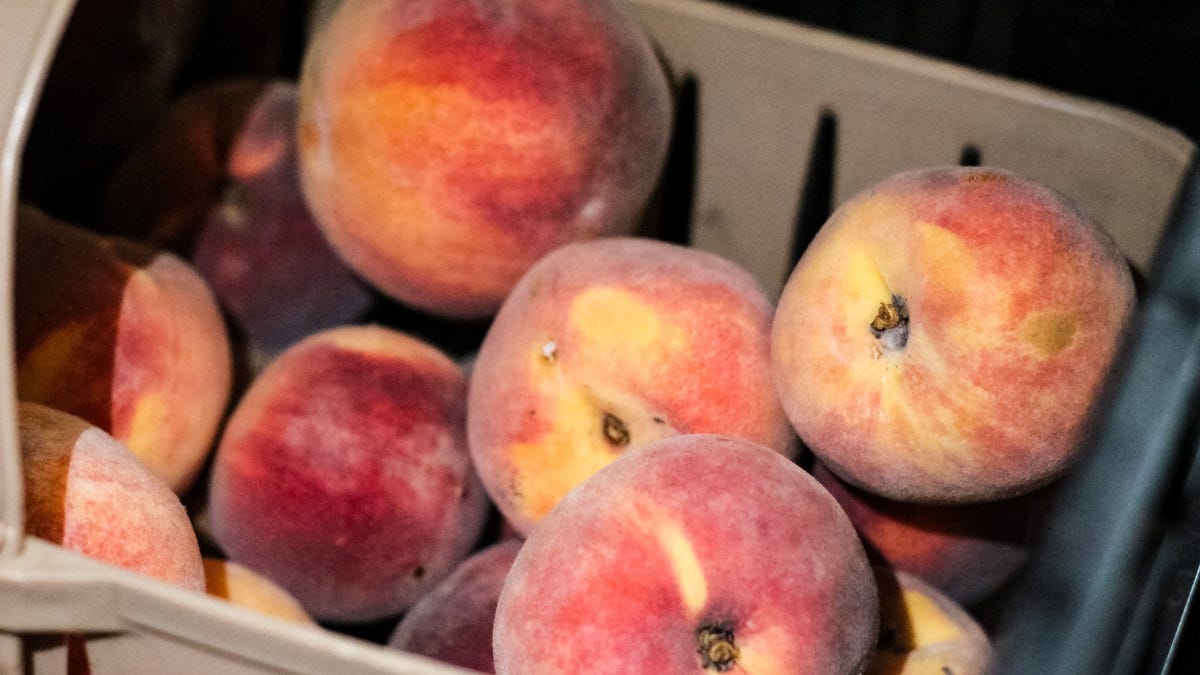
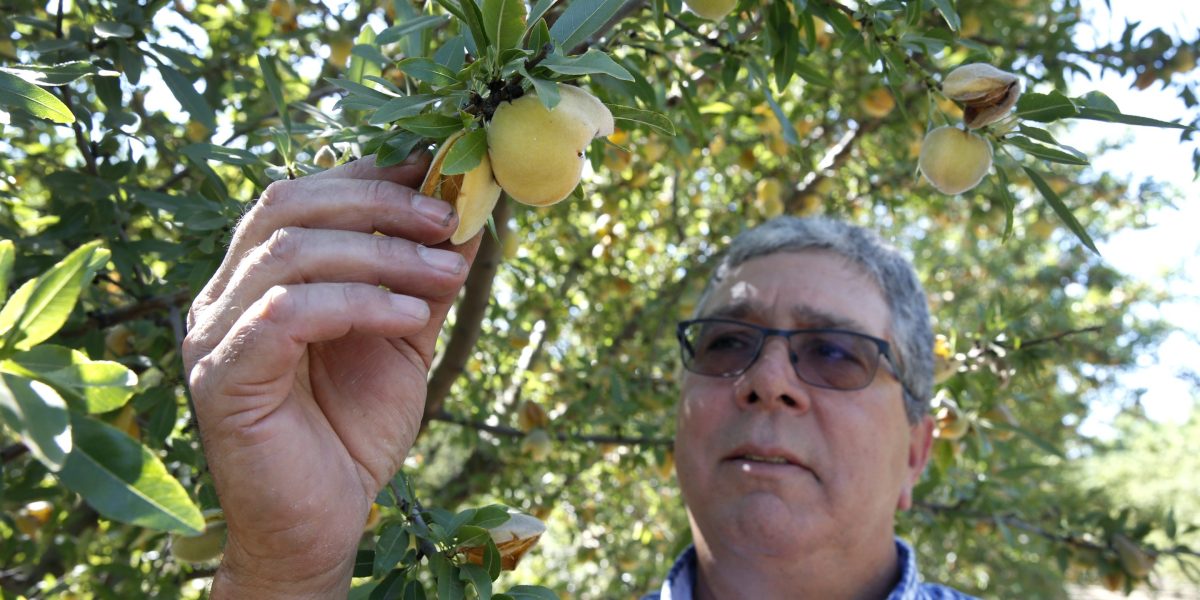
California farmers have begun the removal of approximately 420,000 clingstone peach trees across 3,000 acres. This contraction follows the permanent closure of Del Monte Foods processing facilities in Modesto and Hughson, which previously processed over 30% of the state’s cling peach volume.
This mass uprooting is a direct result of Del Monte’s Chapter 11 bankruptcy. With primary processing outlets gone, multi-generational growers face a severed supply chain, rendering the fruit commercially non-viable.
Economic Consequences of Supply Chain Fragility
The collapse illustrates the extreme vulnerability of specialized agriculture to processor insolvency. Without alternative infrastructure, farmers cannot pivot, forcing immediate asset liquidation to mitigate further losses. This creates a negative feedback loop impacting regional labor markets and service economies tethered to seasonal processing.
Federal Intervention and Market Realignment
The USDA has authorized $9 million in aid to facilitate the removal of these orchards—a measure supported by a coalition including Sen. Adam Schiff. This funding offsets the high capital costs of land conversion, preventing localized insolvency and helping growers transition to more viable crops.
Strategic Implications for Regional Growers
The shift away from clingstone peaches signals a broader structural pivot in land use. Growers must now navigate the risks of capital-intensive transitions, requiring new equipment and supply chain integrations. Future viability depends on securing stable contracts in a market recently proven susceptible to sudden corporate volatility.
Institutional Stability and Future Outlook
Federal involvement highlights the USDA’s role in mitigating systemic failure during corporate restructuring. While liquidity for asset removal prevents total collapse, long-term regional stability remains tied to the presence of diversified processing infrastructure. Without it, farmers remain exposed to the financial health of their corporate partners, marking a definitive end to the decades-long integrated model that defined Central California’s agricultural economy.