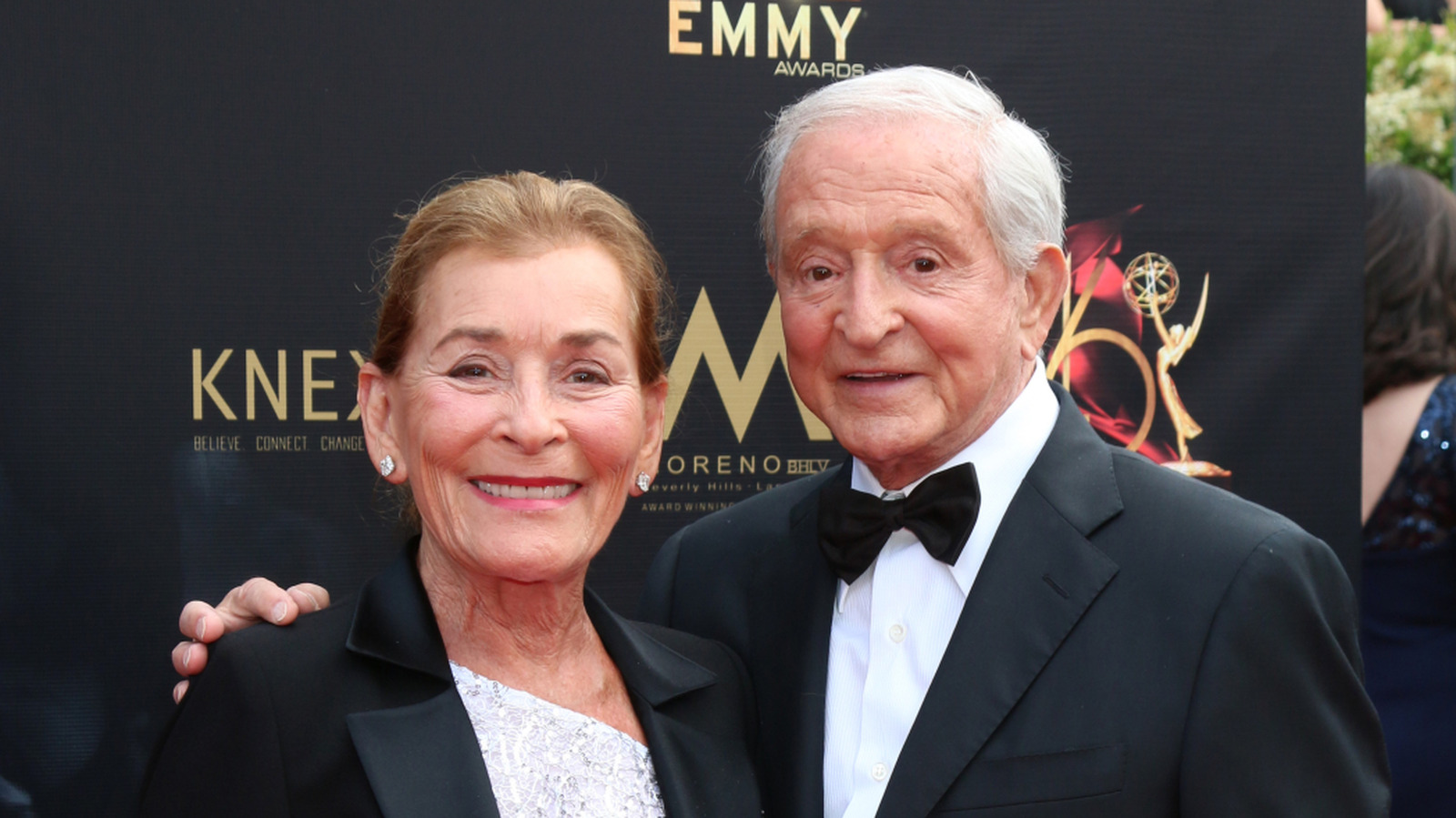
The longevity of high-profile judicial figures within the American media ecosystem depends on the strategic alignment of professional branding and personal stability. The relationship between Judge Judy Sheindlin and Jerry Sheindlin offers an analytical lens to examine the intersection of institutional legal careers and television production longevity. Maintaining a multi-decade public presence requires careful management of career transitions and personal narratives within entertainment history.
Judicial careers within the New York legal system historically provide a rigorous foundation for public-facing arbitration roles. Jerry Sheindlin established his career through foundational work as a defense attorney before transitioning into a criminal trial judge, culminating in his tenure on the New York Supreme Court. This institutional background supplied the professional credibility necessary for subsequent television ventures, bridging municipal administration and mass-market broadcasting.
The institutional evolution of syndicated court programming in the late twentieth century relied on individuals with authentic courtroom experience. Jerry Sheindlin’s transition to hosting The People’s Court mirrored a broader industry trend where real-world adjudicative authority was leveraged for entertainment formats, redefining the boundaries of daytime legal programming.
Concurrently, Judy Sheindlin’s trajectory from family court prosecutor to a globally recognized television figure illustrates the scalability of authoritative legal personas. Her primetime special, Judge Judy: Unfiltered, Unforgettable, reflects the market demand for retrospective content examining foundational television personalities and institutional assessments of legacy curation.
The structural dynamics of their partnership reveal the operational realities of dual-career legal households. Meeting in 1976 as mid-career professionals—Judy as a family court prosecutor and Jerry as a defense attorney—both operated within parallel institutional constraints of the New York legal apparatus, establishing a framework of mutual understanding for high-pressure environments.
Navigating career transitions while maintaining long-term public visibility requires calculated institutional positioning. Following his departure from television, Jerry Sheindlin transitioned out of the public spotlight to focus on private life, illustrating a deliberate disengagement from commercial broadcasting pressures. This highlights differing longevity strategies within household media partnerships, balancing sustained public prominence with private administration.
The institutional framework of television syndication values continuity and recognizable authority. As networks rely on archival footage and retrospective specials, the historical trajectory of the Sheindlins provides structural continuity for media conglomerates, ensuring commercial viability beyond active judicial or broadcast duties.
Ultimately, the intersection of judicial careers and media longevity demonstrates how professional credibility translates into cultural equity. The institutional paths of both individuals underscore the systemic relationship between municipal legal practice and the commercialization of television authority, shaping ongoing programming standards.